
Facility for Action for Climate Empowerment to achieve Nationally Determined Contributions (FACE-NDC)
Climate change presents a major threat to the economic development of Zambia. Forestry, agriculture, and energy sectors are major contributors to the country’s greenhouse gas emissions. Transformative behavioural change is required to fight climate change. The project empowers society to achieve the NDCs through three critical activities: development of context-specific climate change education materials and curricula for primary and secondary schools, universities and vocational colleges; extending support to the country’s institutional and human capacity to engage in the green transition; and working in non-formal education by strengthening clubs and civil society organizations to reach the most vulnerable and marginalized groups and ensure that young people and women have a voice in the development trajectory of the country.
- Countries
- Zambia
- IKI funding
- 17,479,516.79 €
- Duration
- 06/2022 till 02/2030
- Status
- open
- Implementing organisation
- Food and Agriculture Organization of the United Nations (FAO)
- Political Partner
-
- Ministry of Green Economy and Environment - Zambia
- Implementing Partner
-
- The Copperbelt University (CBU)
- The United Nations Institute for Training and Research (UNITAR)
- The University of Zambia (UNZA)
- UNESCO Regional Office for Southern Africa
State of implementation/results
- Output I:
- Completed a report outlining behaviour change interventions for different target groups, which is now being tested by project implementation unit.
- Created training materials on behaviourally informed policies for use in workshops by the government.
- In terms of knowledge management beyond Zambia, partnered with UNICEF and 14 local nongovernmental organizations (NGOs) in Madagascar to present education resources, behaviour change tools, and monitoring methods of the project. More than 100 non-formal educators across the country were trained in these new approaches.
- Developed new education resources, including challenge badges on the Green Cities, Food Loss and Waste, and Gender Equality.
- Output II:
- Conducted knowledge assessments and finalized training in behavioural science and curriculum development.
- Trained 45 curriculum and teacher education specialists and 30 general agriculture certificate curriculum developers in climate change education through the Ministry of Education. -- Conducted sensitization and awareness dialogues with 14 traditional leaders in four districts reaching over 3,500 farmers, and cooperatives.
- In collaboration with the Zambia Meteorological Department trained 25 community radio station reporters on climate change.
- In collaboration with 20 Zambian NGOs and the Young Reporters for Environment Network helped youth build initiative thinking, and critical analysis skills through storytelling, photography and videography.
- Awarded scholarships to 15 students at UNZA: five Master’s and ten PhDs in renewable energy and behavioural science.
- Output III:
- Began piloting the Presidential Award for Climate Action handbook and support package with two national NGOs (ongoing until December 2025).
- Output IV:
- Drafted skills assessment reports for seven government ministries, linking green economy and climate change policies. -- Developed a private sector engagement plan and launched a national survey to assess green economy and climate-related skills.
- Assessed laboratory equipment and staff capacities for renewable energy development at UNZA and Copperbelt University, in collaboration with Technische Hochschule Ingolstadt. --Completed proposals for teaching content and began developing training materials (presentations, guides, exercises, and case studies) for vocational schools and extension services for agricultural professionals.
- Outreach and Events:
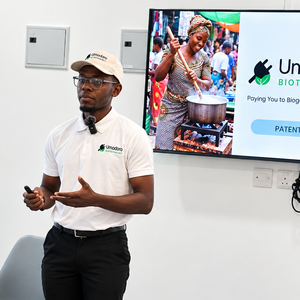
- Co-organized the event “Leveraging Synergies of Nature-Based Solutions for NAP Implementation in Agrifood Systems” at the UNFCCC NAP Expo 2025. The session, attended by over 100 participants, highlighted how communities can adapt to and mitigate climate change through education and behaviour change.
- Took part in the National Agriculture and Commercial Show, which attracted more than 5,000 visitors and 300 organizations, raising awareness of how behavioural science can support climate change solutions.
Latest Update:
10/2026
Further links
Project relations
Legend:
The link has been copied to the clipboard