

Communities combine nature conservation and local development

In Nepal's Terai region, local communities are showing how nature conservation and sustainable development go hand in hand, practicing ecological community forestry and farming whilst taking a lead in innovative development initiatives - supported by the IKI Medium Grants.
Along the ecologically critical corridors in the Terai, where the Chitwan National Park meets the Himalayan foothills, the support of the IKI Medium Grants contributed to sustainable successes in biodiversity and climate change mitigation and adaptation to the impacts of climate change in Nepal.
The project " Nature Conservation and Agroforestry Production in Rural Communities", implemented by ANSAB Nepal and the Manfred-Hermsen-Stiftung (MHS) Germany, relied on a mix of activities in four municipalities in the district of Nawalparasi (East) in Gandaki Province from September 2021 to the end of 2024 - always supported by a community-based approach.
Project supports community forest management

The focus was on Nepal's Community Forest User Groups (CFUGs) - an internationally recognised pioneering model for participatory forest governance. The project supported them in drawing up 41 community forest management plans in accordance with the new National Forest Management Standard (NFSS), which contains clear guidelines for biodiversity conservation, sustainable use of non-timber forest products and forest fire prevention. In addition, 51 CFUGs received technical and institutional support to manage their forests sustainably and prevent fires effectively.
Climate- and wildlife-friendly farming methods

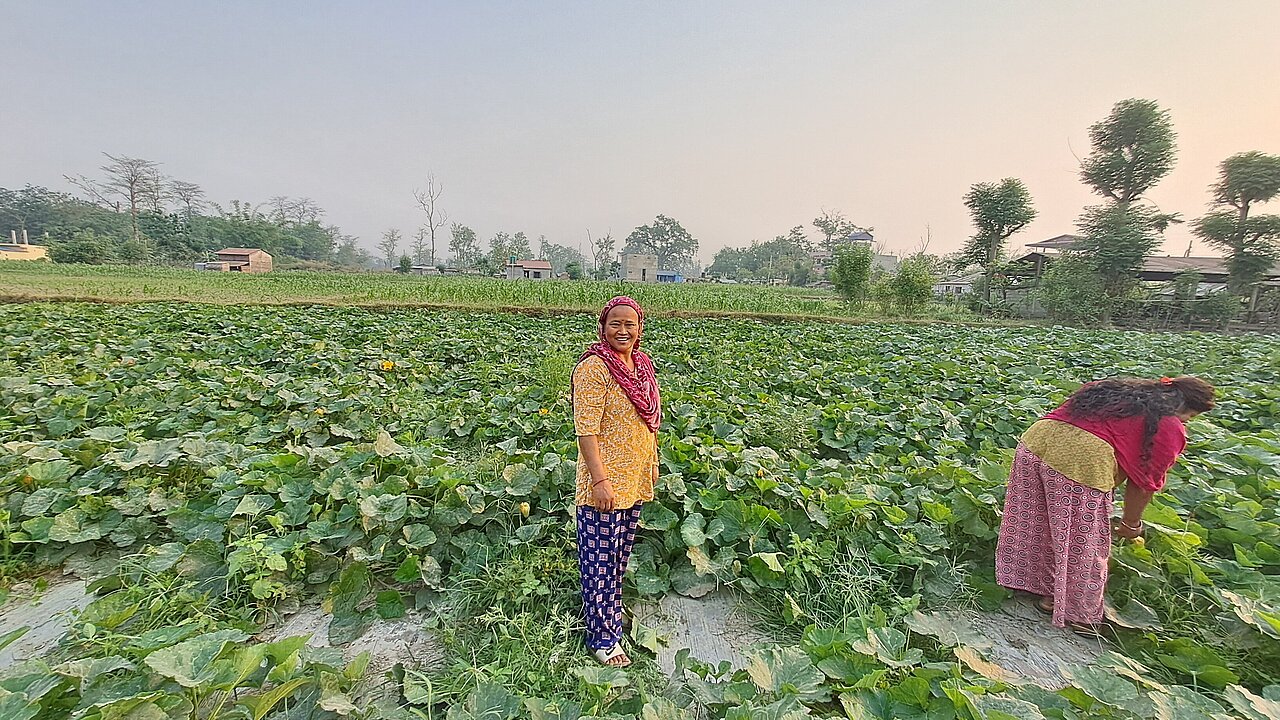
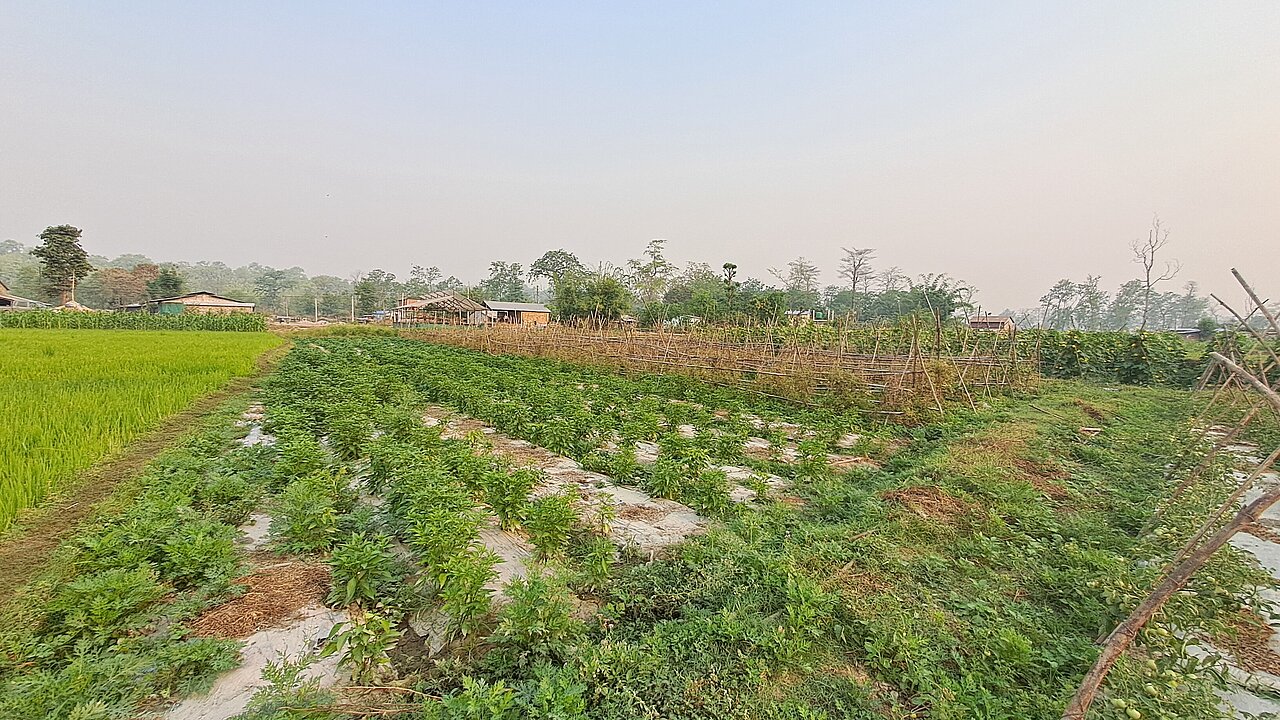
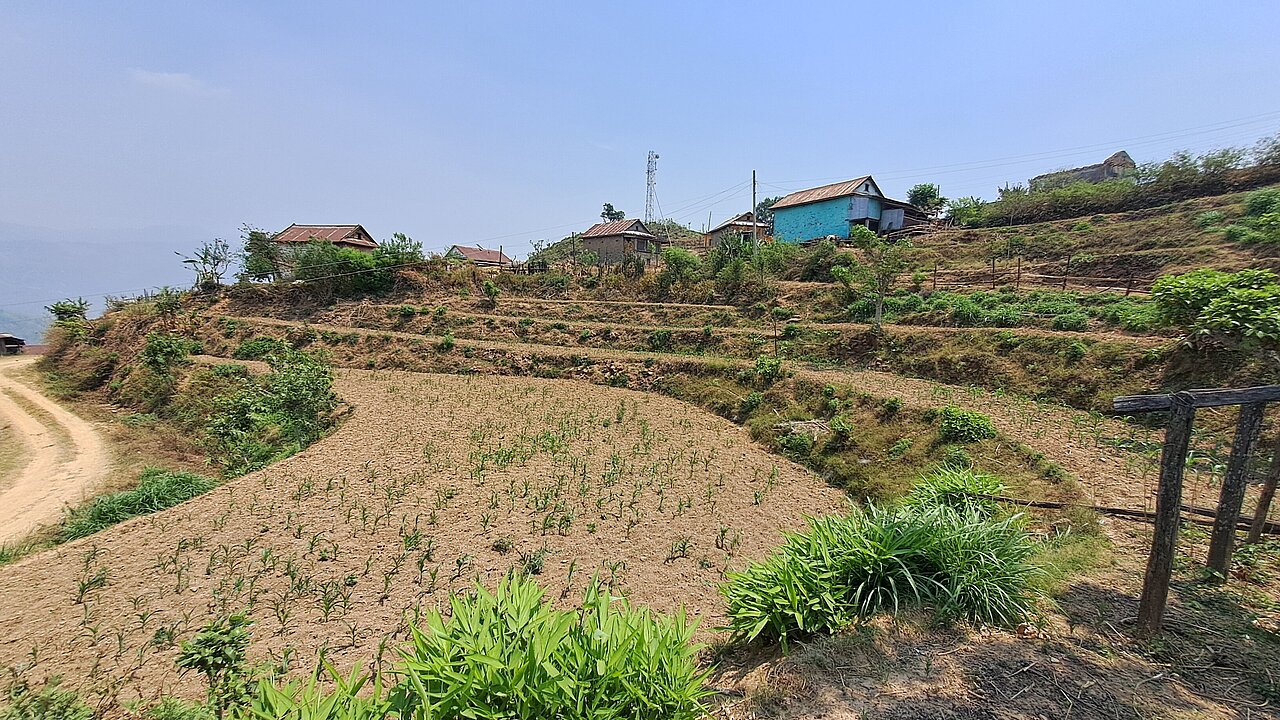
Farmland also benefited from the project: 574 households in 27 farmer groups introduced climate- and wildlife-friendly cultivation methods, for example for mentha, turmeric and ginger, in order to reduce human-wildlife conflicts. Four newly founded municipal-level farmers’ associations across the district promote the long-term exchange of knowledge and markets. One particular innovation was the "Participatory Guarantee System" (PGS), a community-based quality assurance machanism for organic products, which serves as a model for the regional introduction of organic standards in Madhyabindu.
Local companies combine income and nature conservation
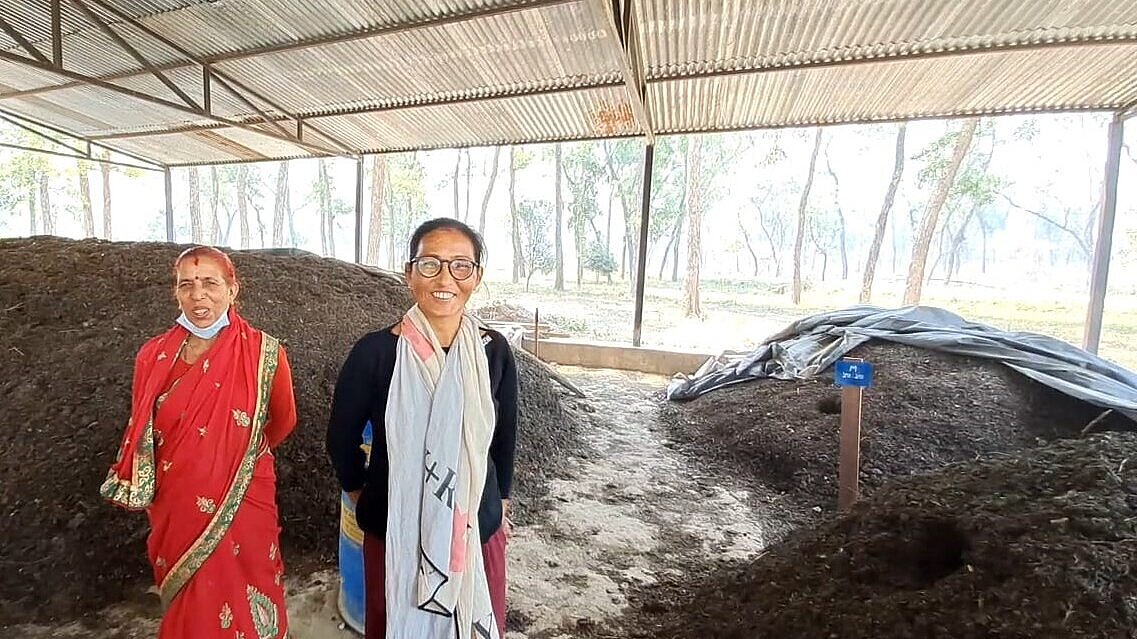
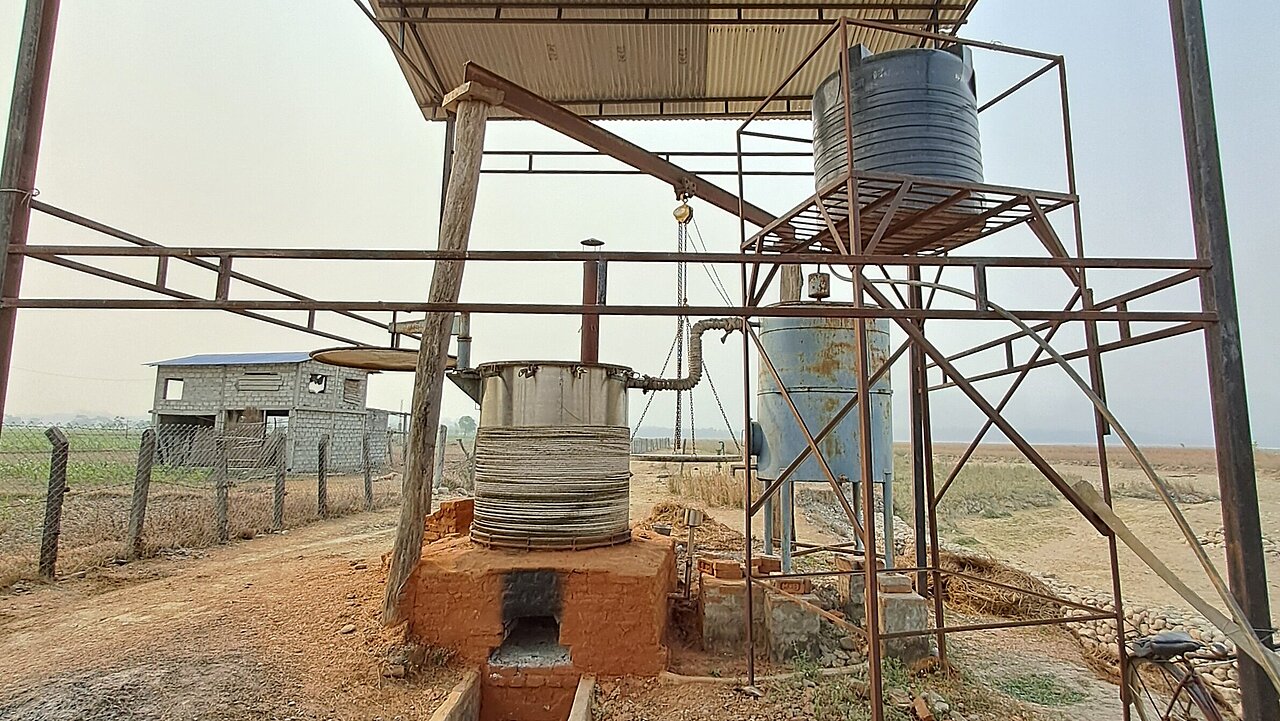
A key building block for the sustainability of the project was the promotion of community-based businesses that combine income opportunities with nature conservation. Seven businesses - from the processing of herbs and the distillation of essential oils to the composting of organic waste and local ecotourism offers - were founded and strengthened. In addition, the formation of a Public-Private-Community Alliance (PPCA) in Kawasoti promoted cooperation between various stakeholders in sustainable local development, which led to the establishment of a municipal tourism department and the development of an ecotourism strategy - an example of how cooperation can bring about systemic change.
Municipalities promote environmental education and long-term impact
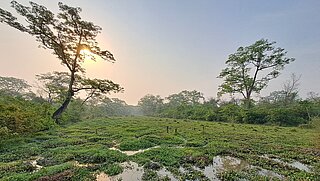
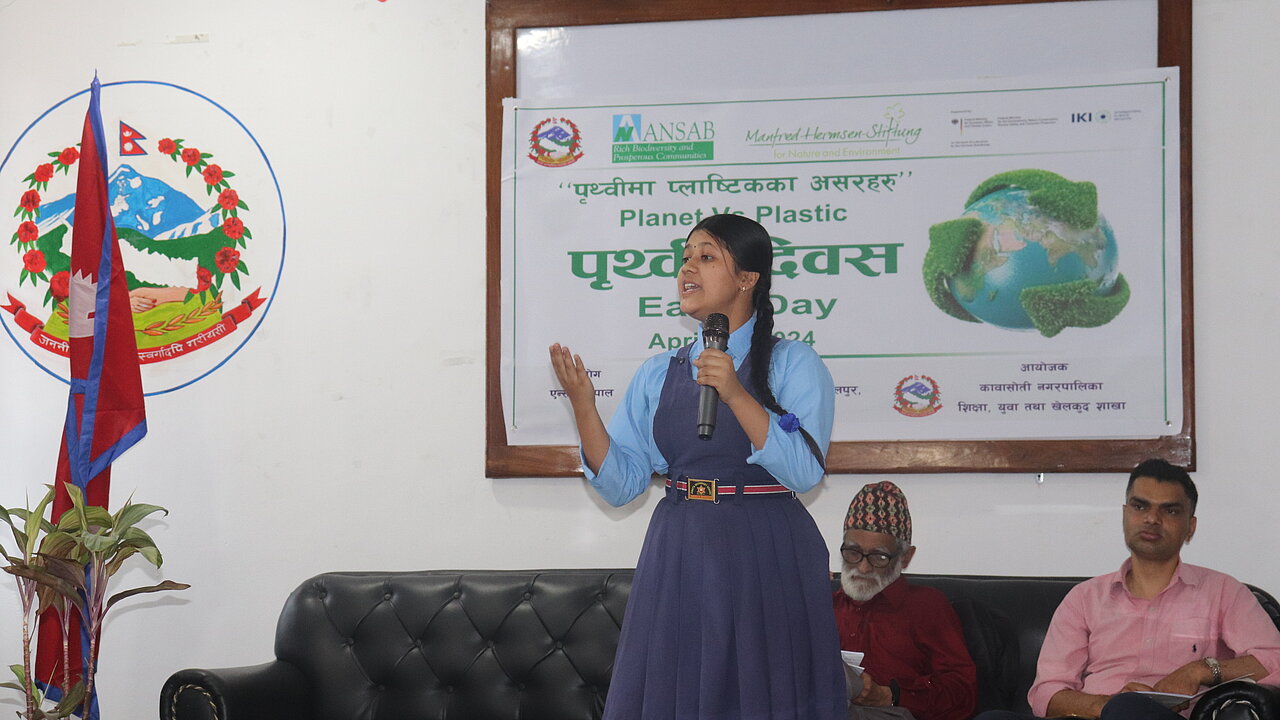
Awareness-raising and environmental education formed a central part of the project. Together with municipalities, the divisional forestry office, community forest networks and schools, awareness campaigns and school programmes were implemented in which over 1,500 students took part. Two interpretive eco-trails - the Tiger and Rhino Trail and the Jharanakhola Nature and Culture Trail - offer both outdoor learning spaces and tourist attractions that combine local knowledge with conservation. Inclusion was universal: 45% of participants were women, and young people played an active role in the activities.
Model project for combining development and nature conservation
The community-led project is a model for an integrated approach to nature conservation and rural development in which people and nature thrive together. The basis for this was the promotion of local leaders, the strengthening of community institutions and the creation of stable income opportunities based on the sustainable use of resources.
The results are impressive: Over 20,000 hectares of forest and farmland are now being managed sustainably, and more than 50,000 people are benefiting from healthier ecosystems, new income opportunities and greater resilience to the consequences of climate change. At the same time, the project has been able to bind an estimated 2.15 million tonnes of CO₂ equivalent - a significant contribution to global climate targets.
More impressions


About IKI Medium Grants
With the IKI Medium Grants programme, which is implemented by Zukunft - Umwelt - Gesellschaft (ZUG) gGmbH, the German government funds projects for climate action and biodiversity conservation that specifically involve smaller civil society actors in developing and emerging countries.
The link has been copied to the clipboard
Contact
IKI Office
Zukunft – Umwelt – Gesellschaft (ZUG) gGmbH
Stresemannstraße 69-71
10963 Berlin