

Cooperation of Accountability and Safeguard Systems
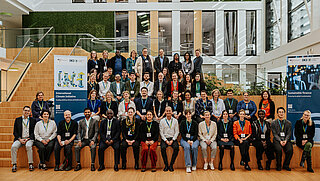
How can multilateral development banks and bilateral donors such as the IKI work together in a changing environment without weakening the rights of those affected? This question was discussed at an expert meeting.
The International Climate Initiative's Independent Complaints Mechanism (IKI ICM) is an important quality assurance tool for IKI projects. It provides a point of contact for people and communities affected by (potentially) negative social or environmental impacts of IKI projects.
This not only helps to avoid unintended negative impacts and ensure the proper use of public funds but is also in line with international best practice. This strengthens the accountability and effectiveness of funded projects.
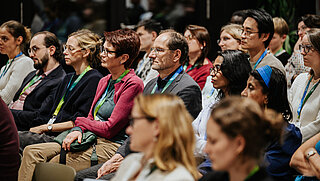
Multilateral development banks and bilateral donors such as the IKI are increasingly collaborating on these issues through joint frameworks. However, this development can have significant implications for transparency, accountability and participation of affected communities. To discuss these challenges, the IKI ICM and urgewald – who have been supporting affected people in filing complaints for many years – invited experts to an event.
Interesting impulses at the evening event
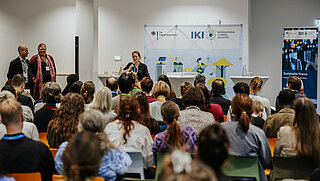
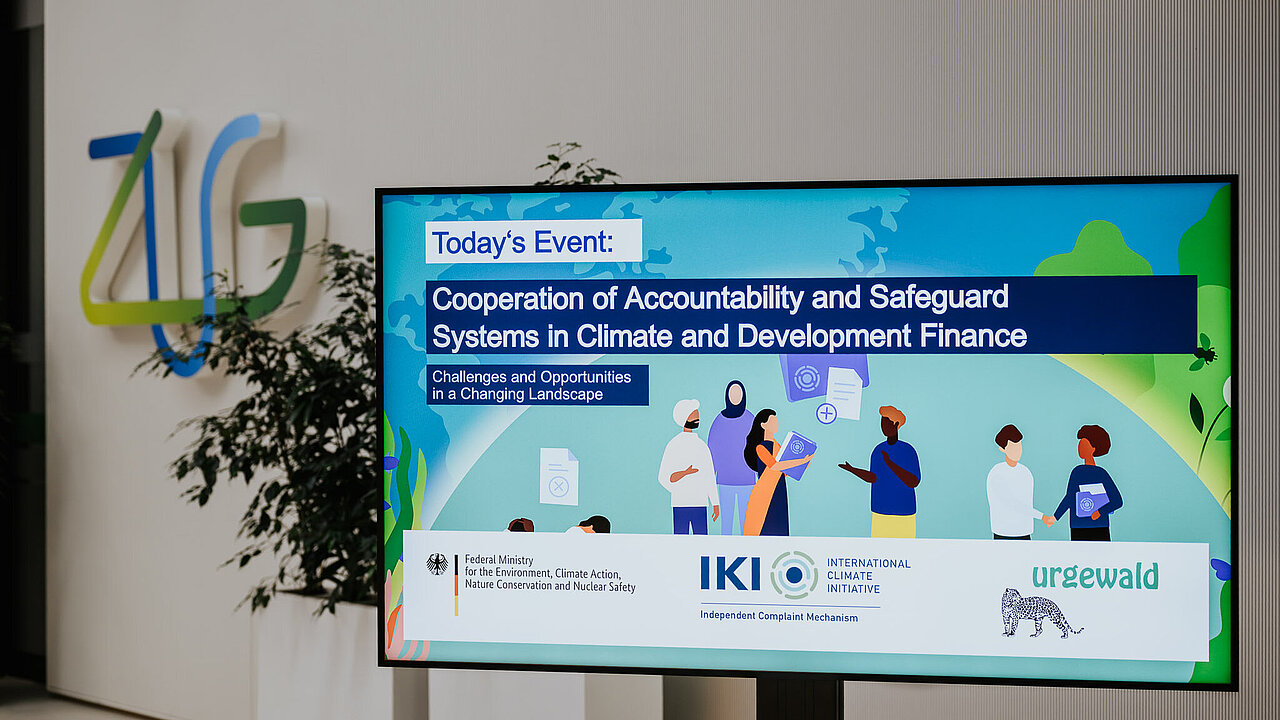
Entitled "Cooperation of Accountability and Safeguard Systems in Climate and Development Finance – Challenges and Opportunities in a Changing Landscape", the event focused on how multilateral development banks and bilateral donors can work together in a changing environment without weakening the rights of those affected.
But first, Antonia Baumgarten from the Federal Ministry for Economic Affairs and Energy briefly introduced the IKI. She made it clear: "We at the IKI are very, very aware of our responsibility to make the best possible use of the funds available to us". Kathrin Bergmann, responsible for the IKI funding programme at Zukunft - Umwelt - Gesellschaft (ZUG) gGmbH, the IKI's project management organisation, then welcomed the participants.
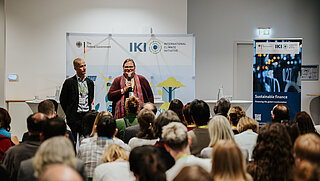
This was followed by short contributions from the organisers: Dustin Schäfer from urgewald pointed out that even projects with the best of intentions are decided far away from the project locations and that easily accessible complaint channels must therefore be created. His motto for the event was: "We can inspire each other, learn from each other and drive meaningful change for the future". Andrea Kämpf from the IKI ICM gave an insight into what cooperation looks like from the perspective of a bilateral climate finance instrument such as the IKI and what a way forward might look like.
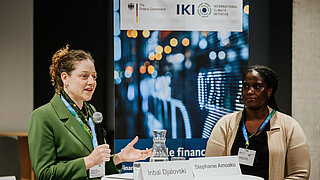
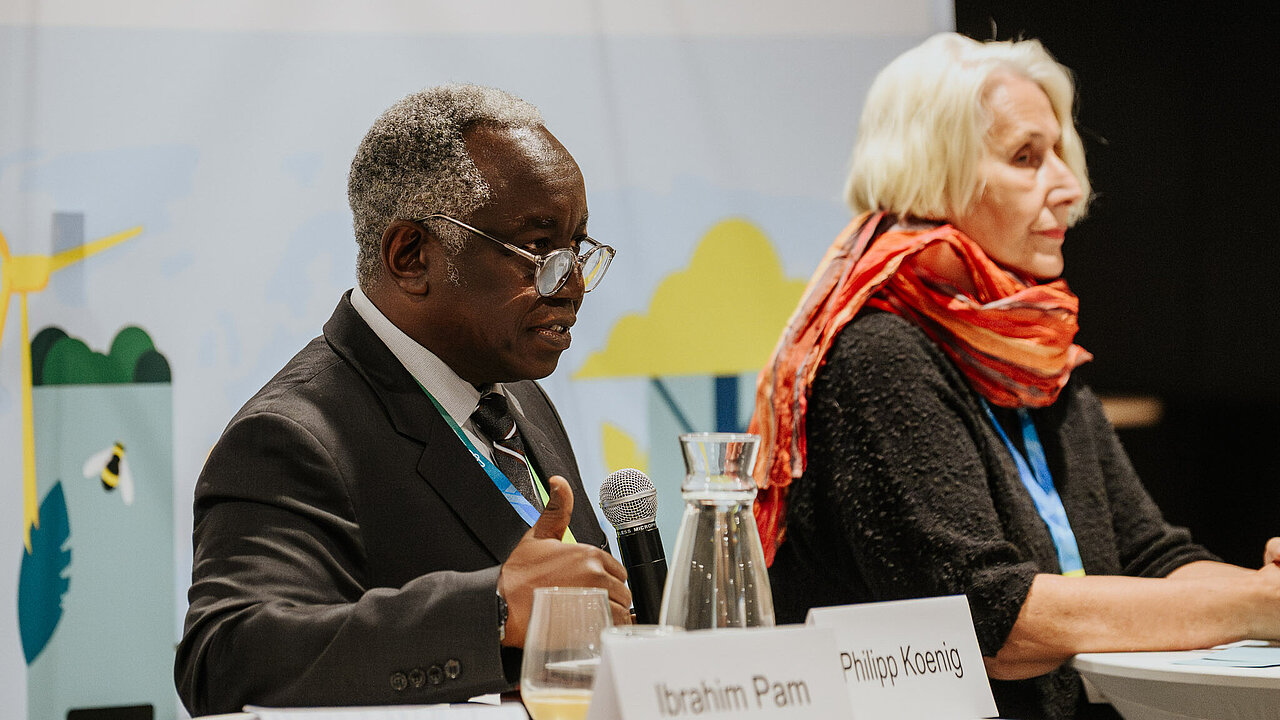
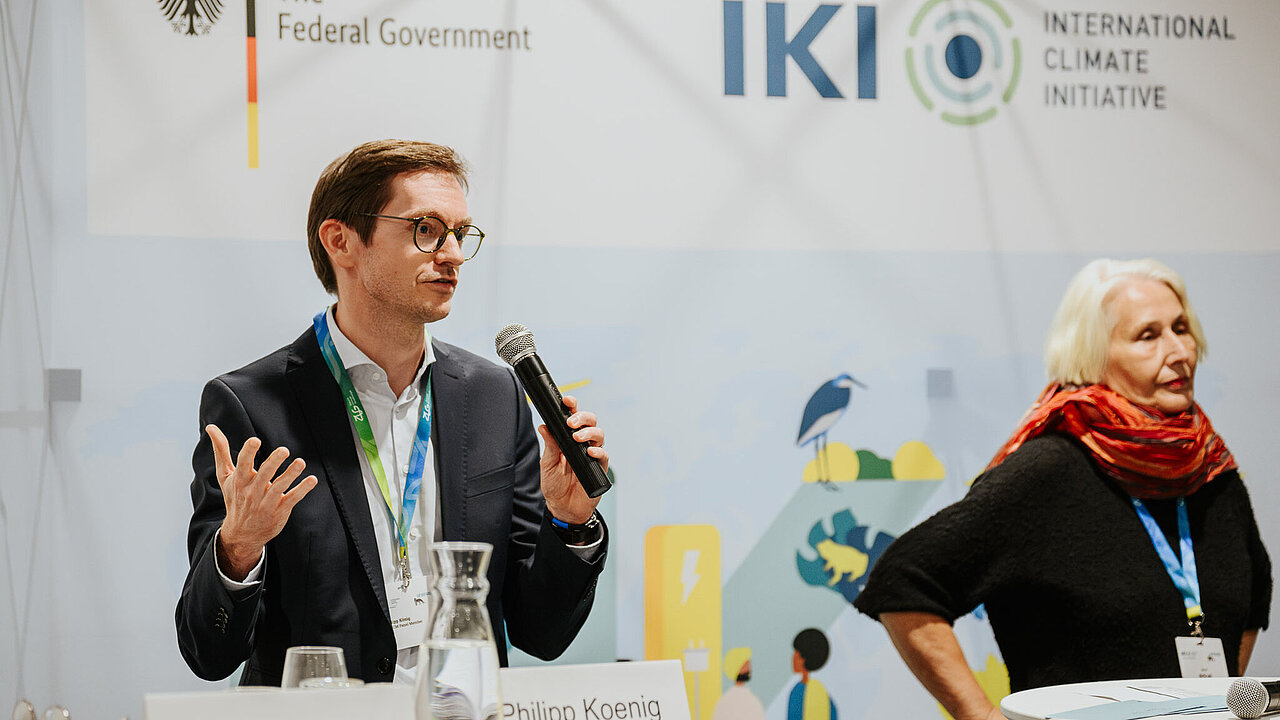
Four experts then provided input for the remainder of the event. Ibrahim Pam (Chairman of the World Bank's Inspection Panel) and Philipp Koenig (Head of the European Investment Bank's Dispute Settlement) spoke first. They were followed by Inbal Djalovski (Member of the Complaints Office of the German Investment and Development Corporation DEG) and Stephanie Amoako (Accountability Counsel), representing civil society.
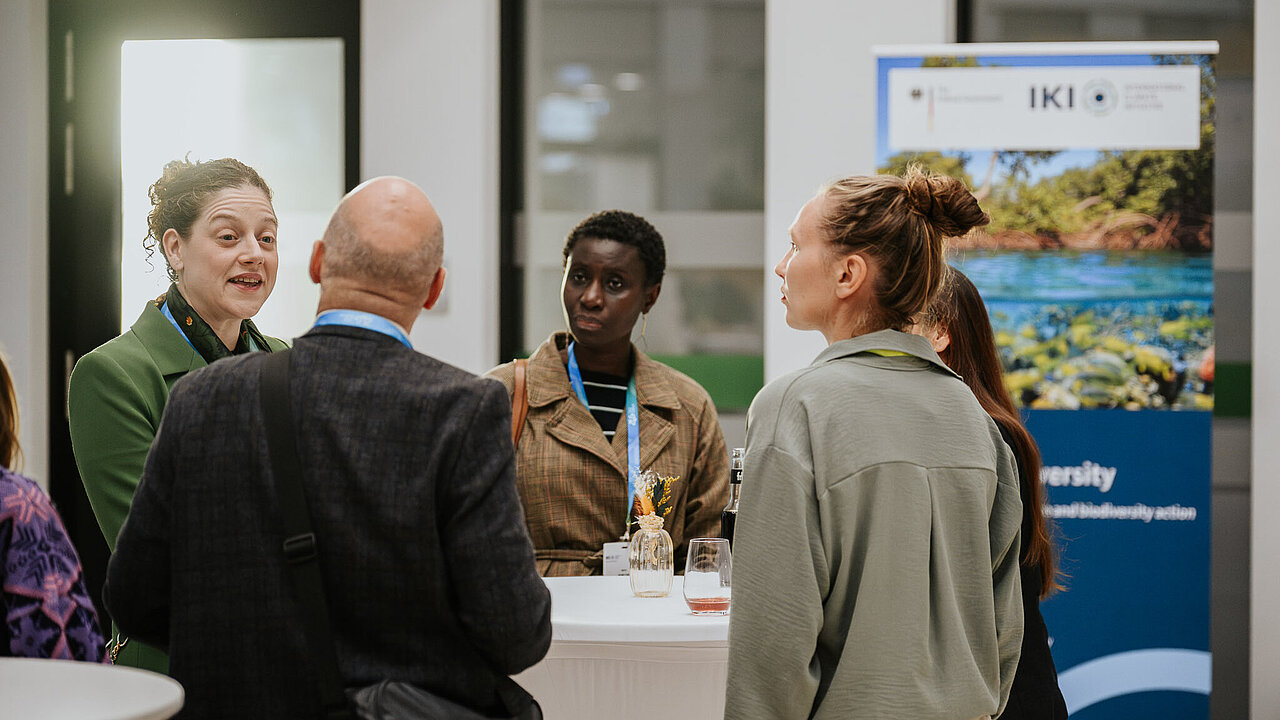
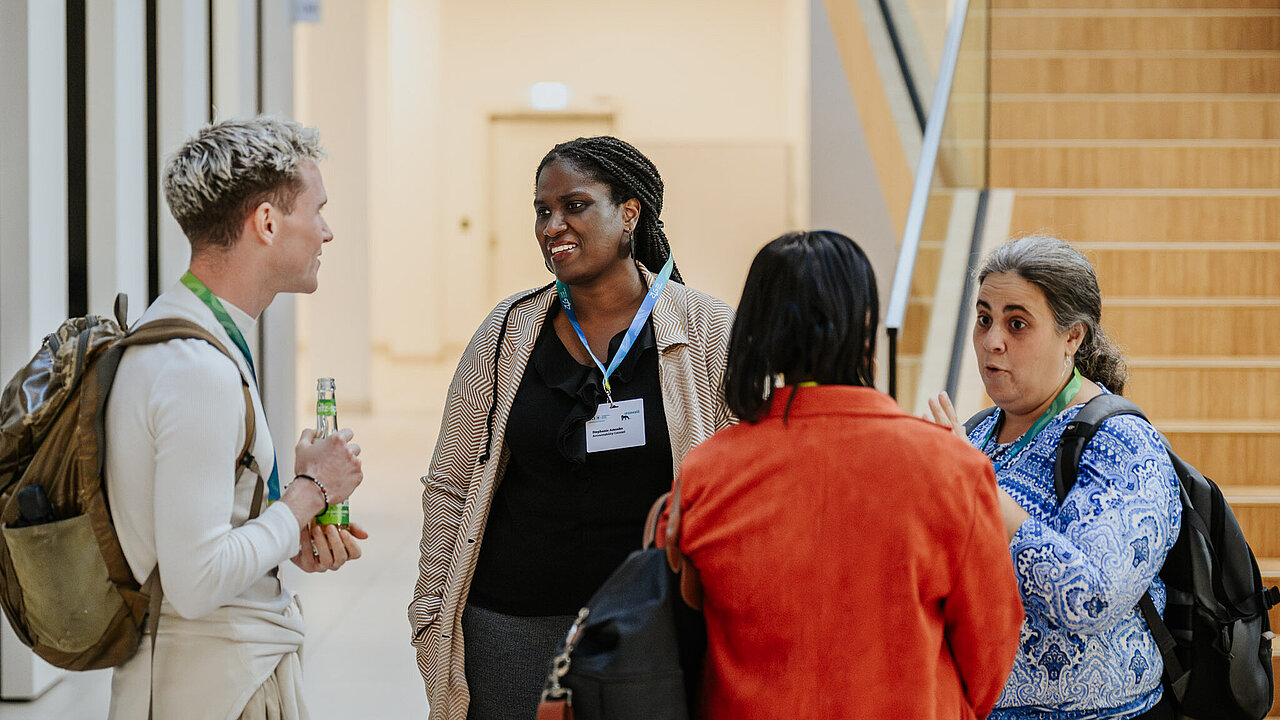
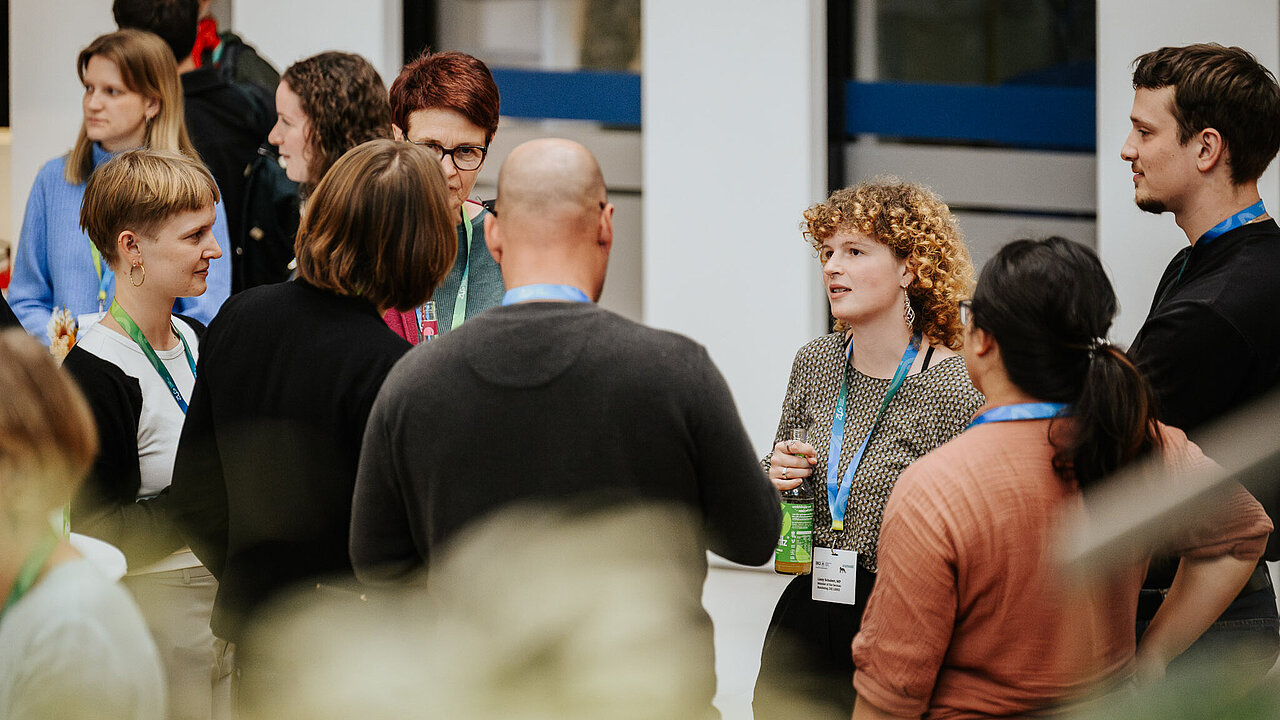
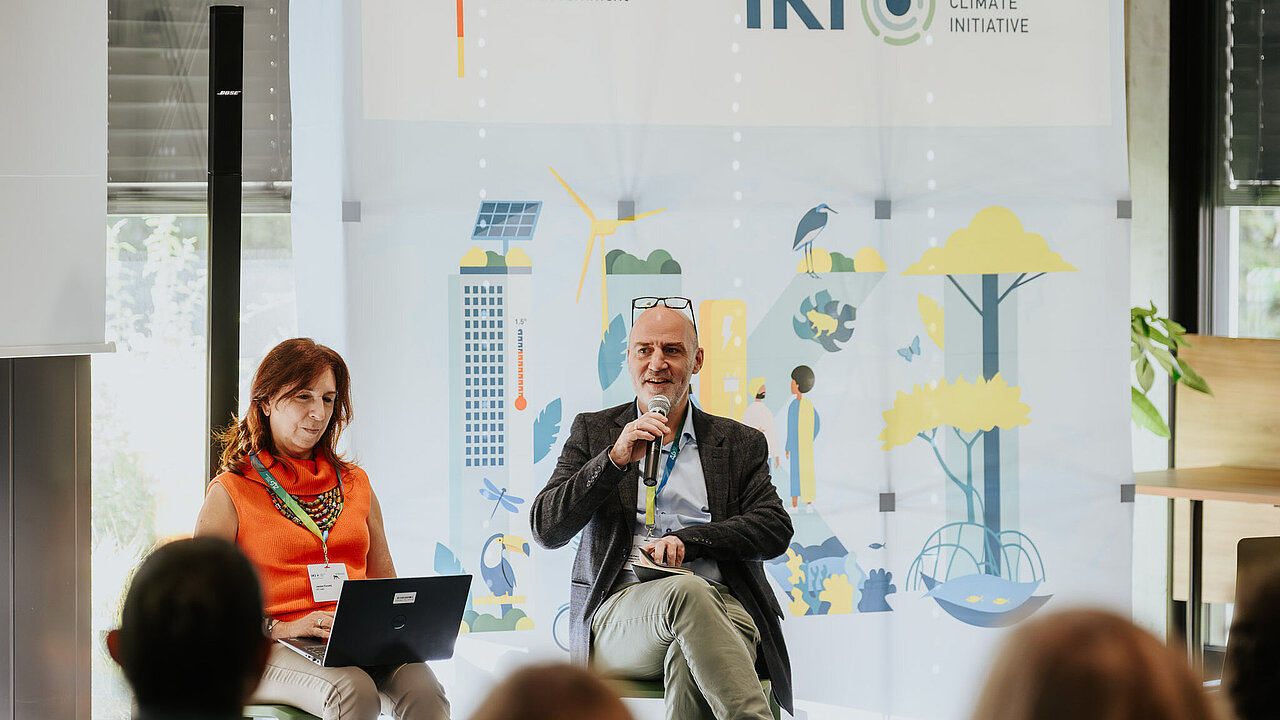
The contributions and the moderation by Arna Hartmann (Professor at Johns Hopkins, SAIS Europe) provided valuable impulses and led to a lively exchange among the participants. There was also ample opportunity for personal dialogue before and after the event.
Next day workshop: consolidation and exchange
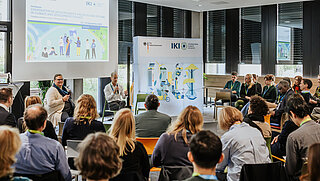
The following day was a full-day workshop, also organised by IKI ICM and Urgewald. Building on the momentum of the evening event, discussions were deepened in three thematic blocks:
- Regression or progression: Dealing with the changing global landscape (Ramanie Kunyayagam, Chair of the Compliance Review Panel at the Asian Development Bank and Evelyn Dietsche, Member of the World Bank Inspection Panel)
Reprisals against human rights and environmental defenders, complainants and whistleblowers – reprisal trends and institutional responses (Ibrahim Pam, Mark Fodor, Defenders in Development Campaign Coordinator and Janine Ferretti, Compliance Advisor Ombudsman at IFC/MIGA)
Filling the remedy gap: perspectives on challenges and opportunities for development and climate cooperation (Janine Ferretti, Stephanie Amoako and Lisa Gross, Head of IKI Safeguards Team)
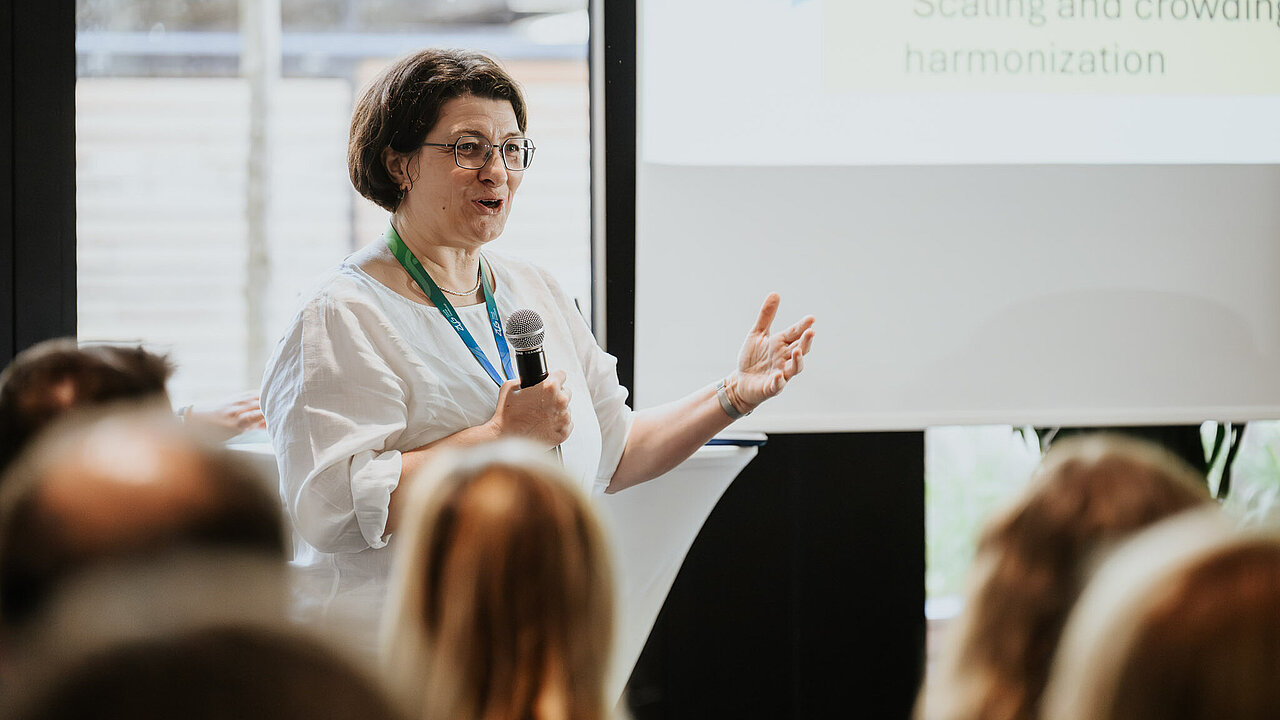
The workshop was characterised by an open and collegial atmosphere: plenty of room for exchange, critical questions and sharing of practical experiences. Networking was also at the heart of the workshop, with expert presentations and breakout discussions providing participants with valuable starting points for future collaborations.
Together, the two events made an important contribution to highlighting the challenges and opportunities of cooperative frameworks for climate and development finance, while consistently taking into account the perspectives of those affected.
We would like to thank all participants for their interest and especially our outstanding speakers for their contributions!
For more insights, check out our photo gallery:

The link has been copied to the clipboard
Contact
IKI Office
Zukunft – Umwelt – Gesellschaft (ZUG) gGmbH
Stresemannstraße 69-71
10963 Berlin