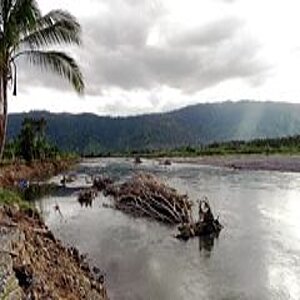


Cross border water management
Communities living along the border of Panama and Costa Rica depend on the Sixaola River for their livelihoods and for transport. But the river is increasingly turning into a threat, too. Climate change has brought heavy floods and mudslides to the region, destroying farmlands and harvests. Now, an organization called the International Union for Conservation of Nature (IUCN) is helping residents on both sides of the river learn how to defend themselves and adapt to the changing conditions. As climate change alters the river's course, the border between the two countries has become more fluid. Sometimes farms belonging to Costa Rican farmers end up on Panama soil or the other way round. That is why the IUCN is also working to mediate cross-border climate conflicts. Indigenous communities in the region, however, are taking a wholly different approach. The Bribris people, for example, are far removed from border disputes or even a national identity. Still, they are fighting to adapt to the consequences of climate change and keep their cocoa crops alive.
The link has been copied to the clipboard
Information
Length
06:19 Minutes
Date of publication
2013
Project
Global Ideas

Related Publications

Further publications related to the International Climate Initiative and its projects can be found in the publications section of our website.