
Development of a monitoring system for biodiversity and climate change in the Selva Maya region
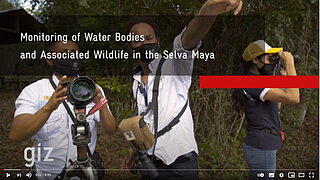
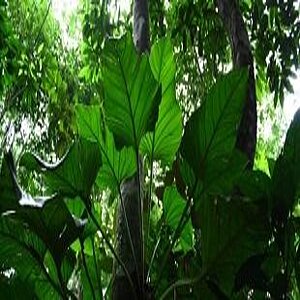
The Selva Maya is the largest contiguous tropical forest area in Central America and possesses a rich biodiversity with 23 different ecosystems. Progressive agriculture, forest fires, illegal logging and the illegal trade in flora and fauna lead to fragmentation and overuse of the rainforest area. Targeted protection and adaptation measures require reliable and regionally comparable monitoring data, so the project supported the regionally coordinated monitoring of biodiversity and climate change in the Selva Maya. The results were incorporated into political decision-making processes, contributing to protection and sustainable use. The project also supported cross-border monitoring approaches by strengthening the political and institutional framework conditions for regional cooperation and the sharing of experiences. At the same time, it provided support for monitoring institutions in processing the results in a target group-oriented manner and communicating them effectively.
- Countries
- Belize, Guatemala, Mexico
- IKI funding
- 6,000,000.00 €
- Duration
- 08/2016 till 12/2021
- Status
- completed
- Implementing organisation
- Deutsche Gesellschaft für Internationale Zusammenarbeit (GIZ) GmbH
- Political Partner
-
- Central American Integration System (SICA)
- Implementing Partner
-
- Ministry of Environment and Natural Resources (MARN) - Guatemala
- Ministry of Forestry, Fisheries and Sustainable Development (MFFSD) - Belize
- National Commission for Research and Utilisation of Biodiversity (CONABIO) - Mexico
- University of Belize (UB) - Belize
- Wildlife Conservation Society (WCS) - Guatemala
State of implementation/results
- Project completed.
- Institutions in Belize and Guatemala have initiated participatory water quality monitoring in the Rio Mopan. This transboundary cooperation is important for both countries, as this river, which originates in Guatemala and flows on to Belize, is a shared water resource.
- The use of air quality data in the Selva Maya region has initiated a comprehensive process: for example, Guatemalan communities are improving their waste management and the relevant authorities in Belize banned slash-and-burn practices on agricultural land during the COVID-19 lockdown in order to protect the health of the population. The project promoted the exchange of experiences between the three project countries (Guatemala, Mexico and Belize) through several virtual events. Furthermore, the project supports the institutions in expanding the network by installing additional air quality sensors and by providing training on how to analyse the data.
- The meteorological services of Guatemala, Belize and Mexico have joined forces to jointly issue reports with seasonal precipitation forecasts for the Selva Maya region.
- The three Selva Maya countries are using the SMART monitoring software to improve the management of their protected areas. The Mexican protected area authority CONANP was so convinced by the monitoring software after the first test phase that it has introduced it in 28 more protected areas since the beginning of 2020. This means that in the Mexican part of the Selva Maya alone, the number has more than tripled from the original 13 protected areas to 41.
- Supported by the project, the three partner countries are developing the Integral Strategy "Selva Maya 2030", with which the countries want to strengthen the natural and cultural values of the Selva Maya and thus contribute to the sustainable development of the region.
Latest Update:
04/2026
Project relations
Legend:
The link has been copied to the clipboard