

A Bottom-Up Approach to Rural Electrification
The IKI supports empowerment of Nigerian communities
Nigeria, Africa's most populous nation with over 200 million people, boasts the continent's largest economy. However, the country faces significant challenges in its energy supply, with a high dependency on expensive diesel power sources, especially in rural areas. Through its National Energy Policy (NEP), the Nigerian Government has acknowledged the need to promote the development and utilisation of renewable energy as a solution to improve energy access, reduce environmental impact, and foster sustainable development.
Current Status of Electrification
As of 2021, approximately 59.5% of the population had access to electricity according to the World Bank. This national average, however, conceals a significant urban-rural divide. In urban areas, 89.2% of residents have electricity access, while in rural areas, the electrification rate is only 26.3%. This disparity underscores the urgent need for focused rural electrification strategies.
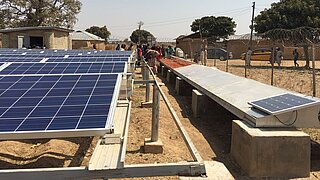
The Nigerian government has recognised the critical need for improved electrification and has made rural electrification a central political objective. The Nigerian Rural Electrification Agency (REA) is responsible for implementing programmes to electrify rural areas. This mainly involves the deployment of off-grid and interconnected mini-grid solutions, often based on solar energy, such as PV mini-grids or Solar Home Systems.
The predominant approach consists of developer-owned mini-grids, which often utilise a Build, Own, and Operate (BOO) model. However, this top-down approach often focuses more on the installation of mini-grid systems than on ensuring their long-term sustainability. Many installed mini-grids end up abandoned and non-functional. Some of the reasons for their failures include distrust in project authorities and a lack of a sense of ownership by the community.
From Top-Down to Bottom-Up
Addressing Nigeria's electrification challenges therefore requires innovative, community-driven solutions. The “Communities of Practice” project, funded by the International Climate Initiative, aims to put the communities in the driver's seat by empowering them to initiate mini-grid projects instead of waiting for a third party to identify their community. Additionally, the project seeks to promote community-centric business models, thus increasing community involvement – an approach that has proven successful in many parts of the world. These community-centric approaches are not “one-size-fits-all” but can be tailored to individual needs, with solutions ranging from shared asset ownership to benefit-sharing agreements between the community and the implementing mini-grid company.
However, this shift toward a bottom-up approach faces a critical barrier: communities often don't know where to start. They struggle with identifying who to talk to, how to draw attention to their initiatives, and how to collect necessary data.
Bridging the Knowledge Gap
To tackle this issue, the project has set out to develop an innovative, user-friendly toolbox designed to guide community members through every step of planning a mini-grid project. By providing clear, step-by-step instructions, this toolbox makes the complex task of preliminary mini-grid planning accessible to all. It helps communities generate a comprehensive plan they can present to stakeholders, making it easier to gain support and resources.
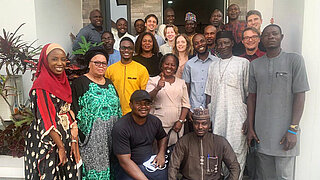
For the five communities directly involved in the project, workshops were conducted to jointly test the toolbox, build capacities, and foster networking among communities. By providing a space for communities to share experiences and collaborate, the workshops not only enhanced their understanding of mini-grid projects but also aimed to build a supportive network. This collaborative environment is crucial for sustaining long-term community-driven electrification initiatives.
Beyond Pilot Projects: A National Movement
To empower and enable this movement on a national scale, the project also aims to develop a policy brief with the goal of influencing political actors. This policy brief includes recommendations for more targeted funding, improvement of political frameworks, and capacity building. The overarching goal is to change the political landscape and create a clear pathway for more communities to follow in developing their own energy solutions.
With these tools and strategies, we envision a future where Nigerian communities can independently drive their own electrification projects. This bottom-up approach not only fosters sustainable development but also improves the quality of life across the country, removing barriers for communities to benefit from reliable and sustainable energy solutions.
The link has been copied to the clipboard
Contact
IKI Office
Zukunft – Umwelt – Gesellschaft (ZUG) gGmbH
Stresemannstraße 69-71
10963 Berlin

