COP31: IKI strengthens international partnerships for a climate-neutral and circular economy
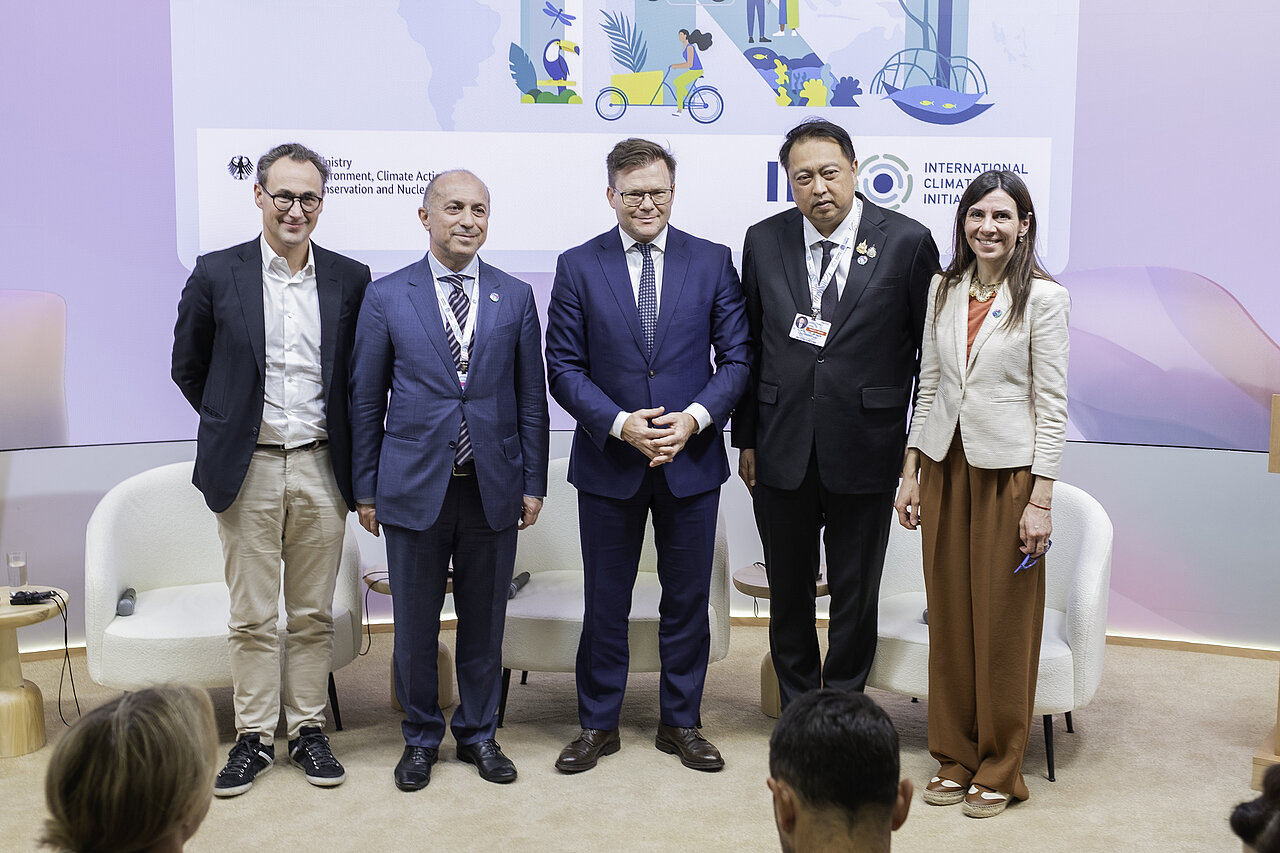
At the IKI High-Level Event at COP31, representatives from governments, international organisations and the private sector discussed how to accelerate the global industrial transition.
Transforming industry is a key lever for achieving global climate targets. Around a quarter of global greenhouse gas emissions come from the industrial sector. At the same time, the shift towards climate-neutral and circular production processes offers significant opportunities for innovation, sustainable economic growth and the creation of future-proof jobs.
How this transformation can be advanced internationally was the focus of the IKI High-Level Event “Transforming Industry towards Climate Neutrality and a Circular Economy”, held on 17 November 2026 at the German Climate Pavilion at the United Nations Climate Change Conference (COP31) in Antalya.
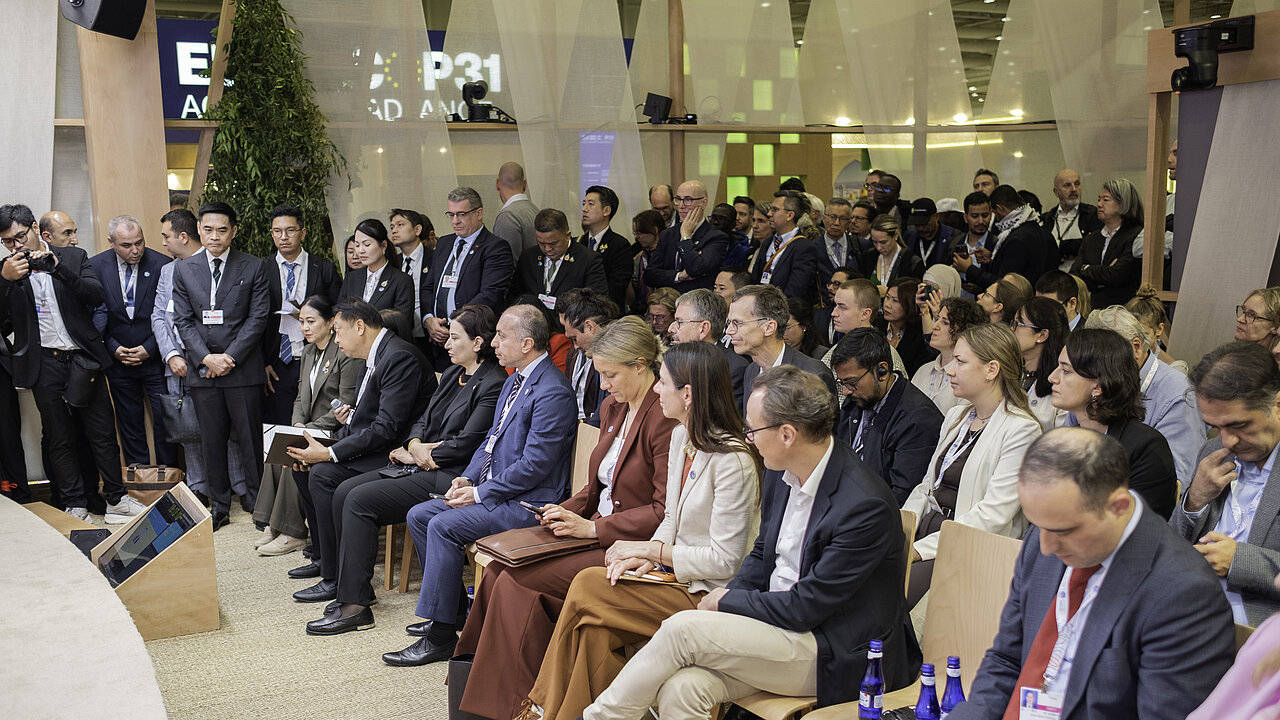
Germany’s International Climate Initiative (IKI) brought together high-level representatives from Germany, Thailand and Türkiye, as well as representatives of international organisations and the private sector.
New IKI Large Grants Call 2026: Supporting ambitious climate action and biodiversity projects
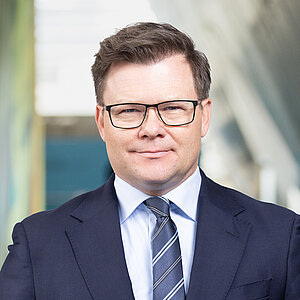
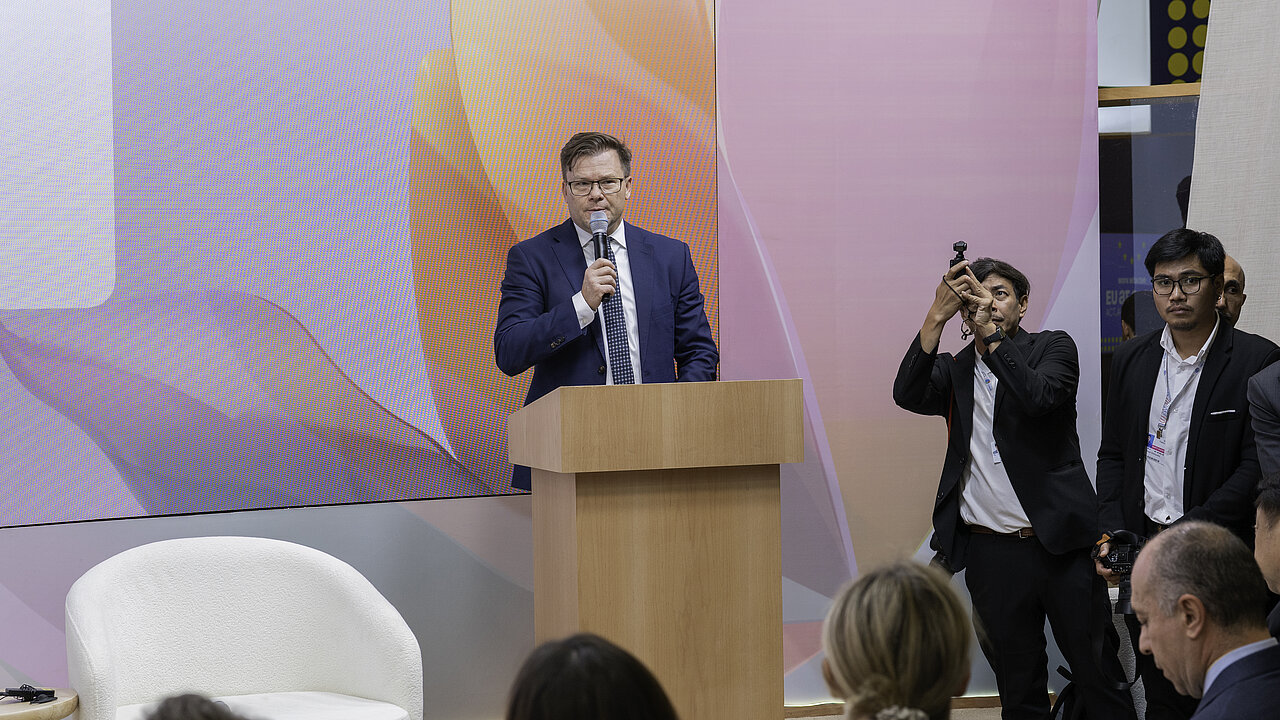
A highlight of the event was the keynote by Germany’s Federal Environment Minister, Carsten Schneider. He emphasised the importance of international climate cooperation and officially launched the new IKI Large Grants Call 2026.
We are close to passing the 1.5 degree limit. We are all feeling the impacts of climate change. Every tenth of a degree matters. It saves lives, protects nature and secures our economy. Let us work together to quickly close the gap to 1.5 degrees. We are here at COP31 to tackle these challenges together.
Germany is a reliable partner in international cooperation. For 18 years, Germany’s International Climate Initiative has been an important pillar of this commitment. Through the IKI, we have already initiated many success stories. With the new round of IKI Large Grants, we are creating the conditions for many more success stories.
Through the IKI Large Grants, the German Government supports its partner countries in implementing ambitious climate and biodiversity goals. The focus is on transformative projects in the areas of greenhouse gas emissions reduction, climate change adaptation and biodiversity conservation.
This year's IKI Large Grants Call includes a dedicated country priority for each of the two partner countries, Türkiye and Thailand. Both countries are priority countries for the IKI.
At the High-Level Event, representatives from both countries highlighted the successful cooperation with Germany and the IKI to date.
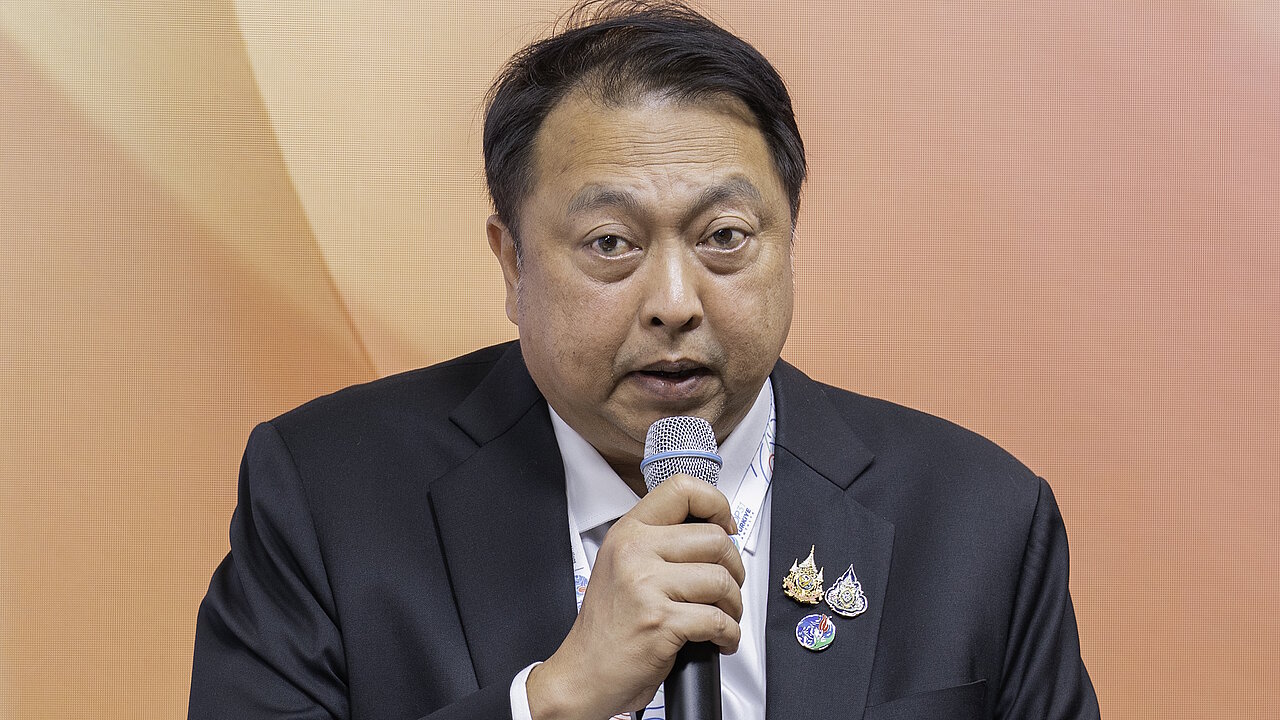
Thailand's Minister of Natural Resources and Environment, Suchart Chomklin, emphasised the importance of industrial decarbonisation for his country's economic development and climate targets. Thailand aims to reduce its net greenhouse gas emissions by 47 per cent by 2035 and achieve net-zero emissions by 2050. The transformation of industry offers opportunities to drive innovation and strengthen circular value chains.
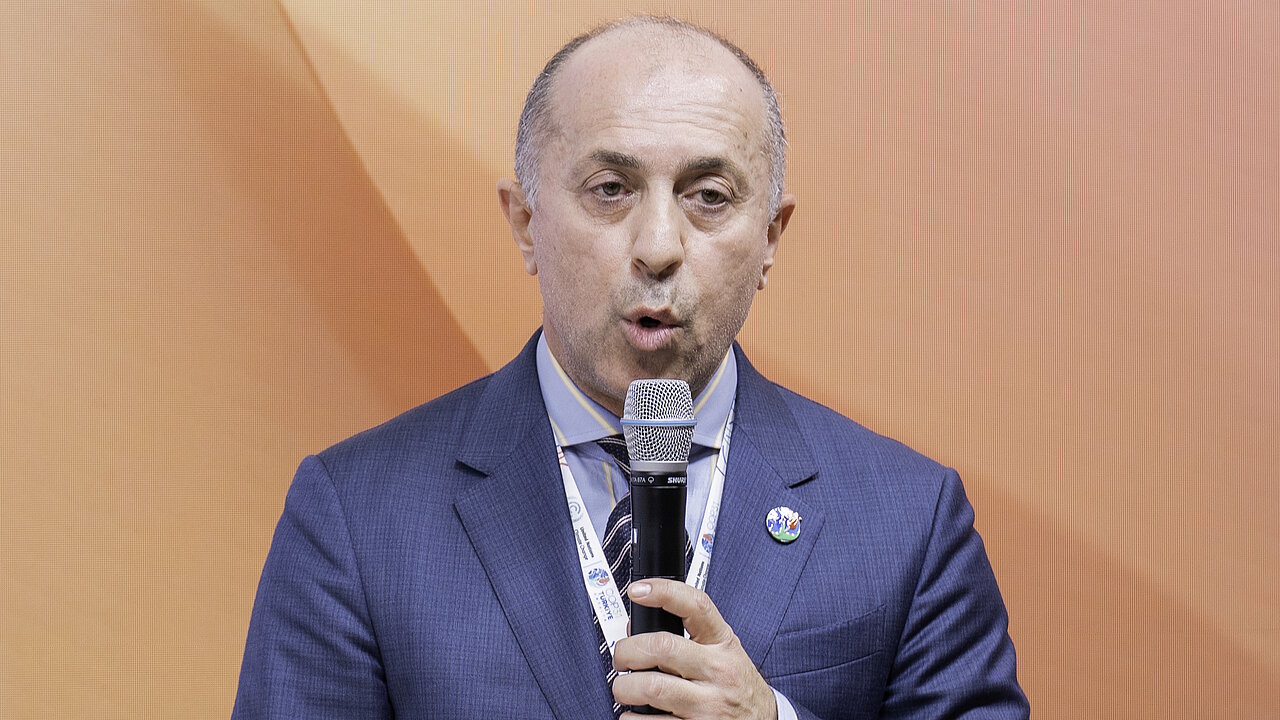
Mehmet Ali Kahraman, Director of the COP31 Presidency Office, referred to the COP31 Action Agenda, which aims to drive industrial transformation, with a particular focus on green industrialisation, electrification and the circular economy. Its specific targets for 2035 include increasing the share of circular materials in global production to at least 15 per cent, reducing energy intensity in the building sector by 25 per cent and increasing the global electrification rate to 35 per cent.
The Key Note Speakers
International cooperation is essential for industrial transformation
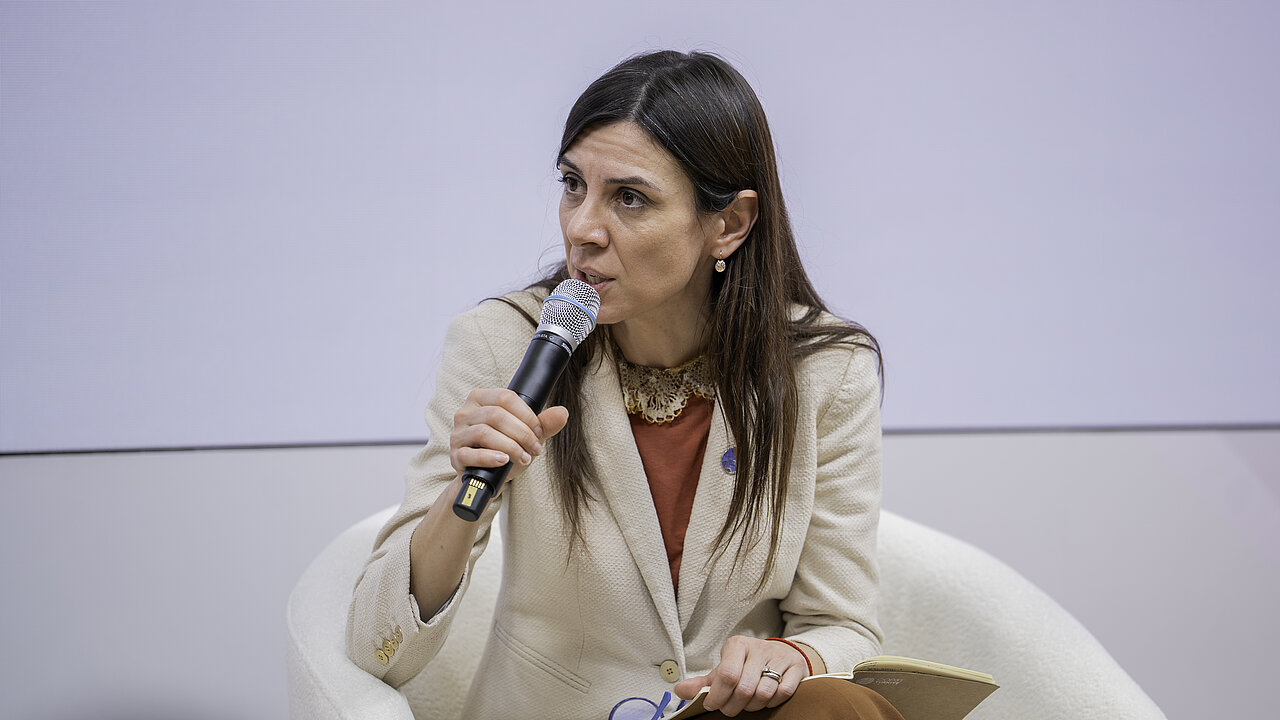
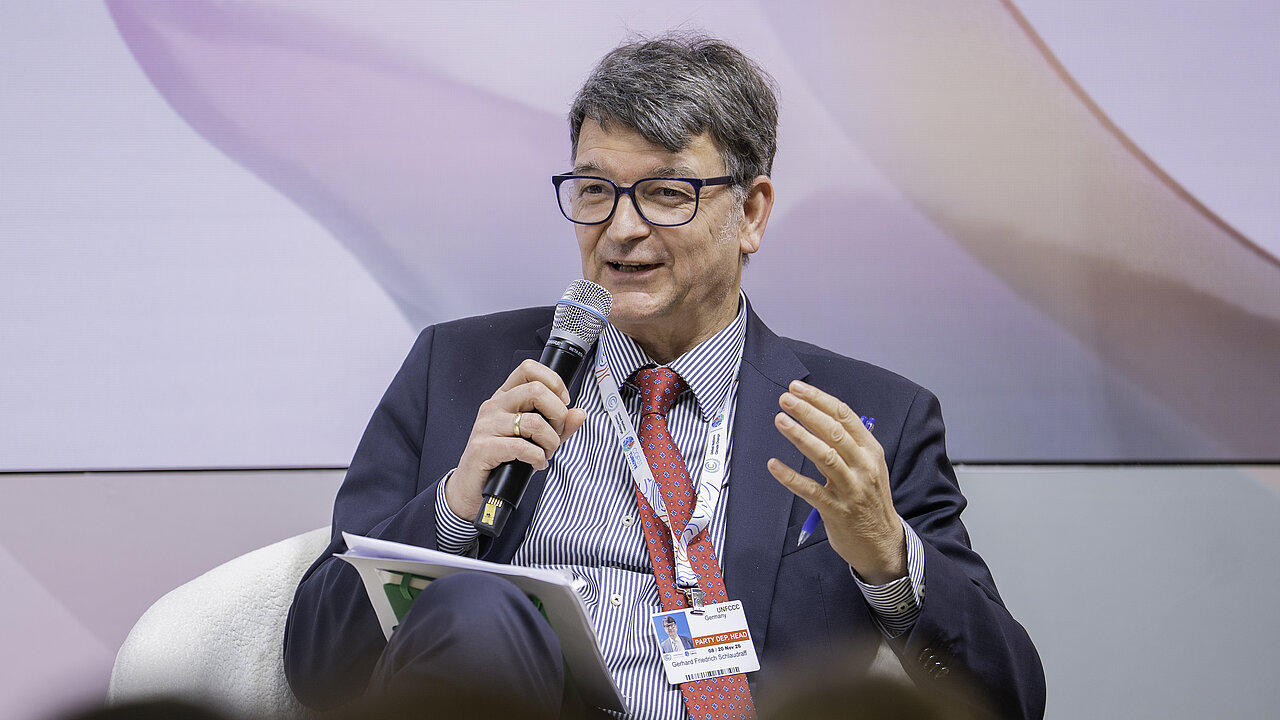
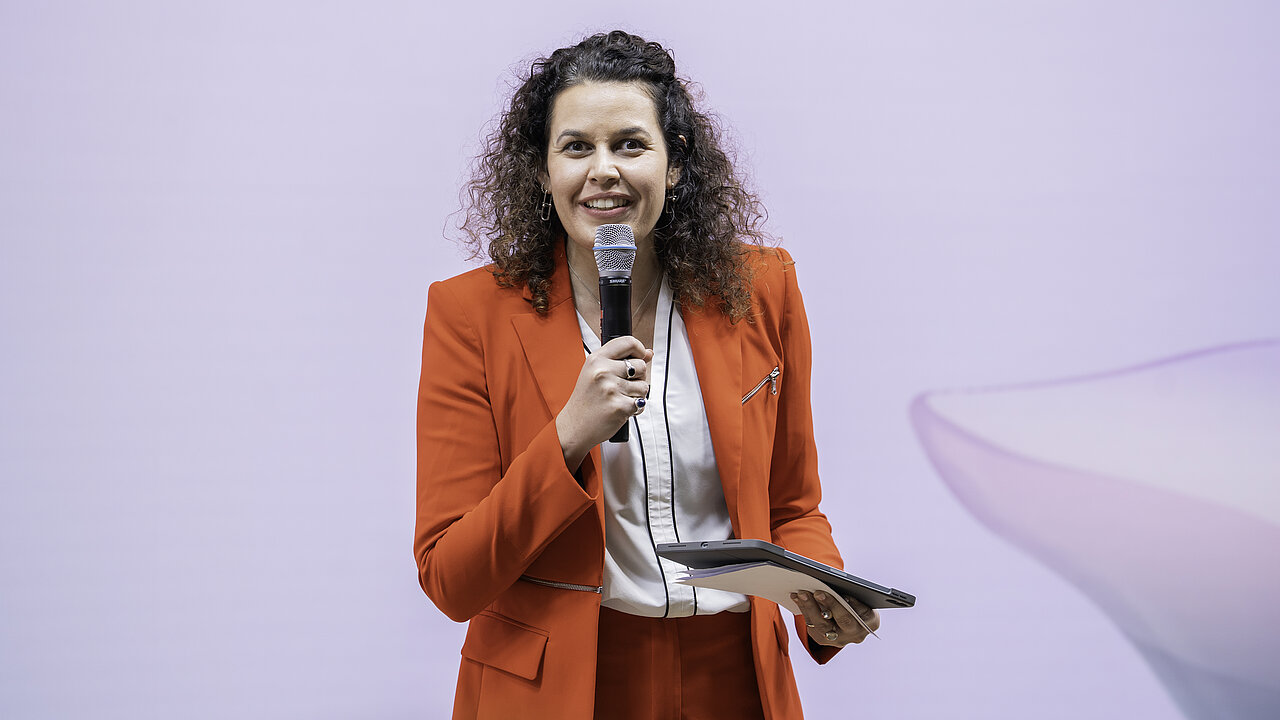
The subsequent panel discussion highlighted that industrial decarbonisation is not merely a technological challenge. Equally important are appropriate policy frameworks, the mobilisation of public and private investment, and international cooperation on capacity-building and technology transfer.
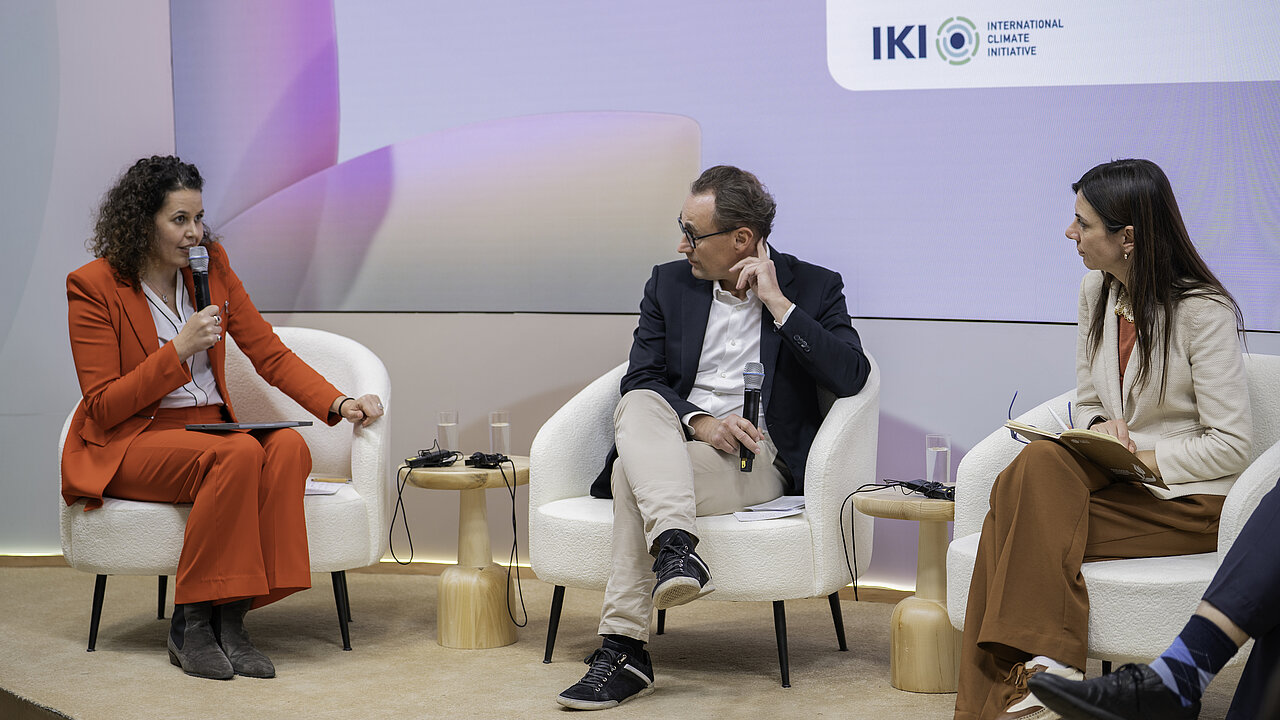
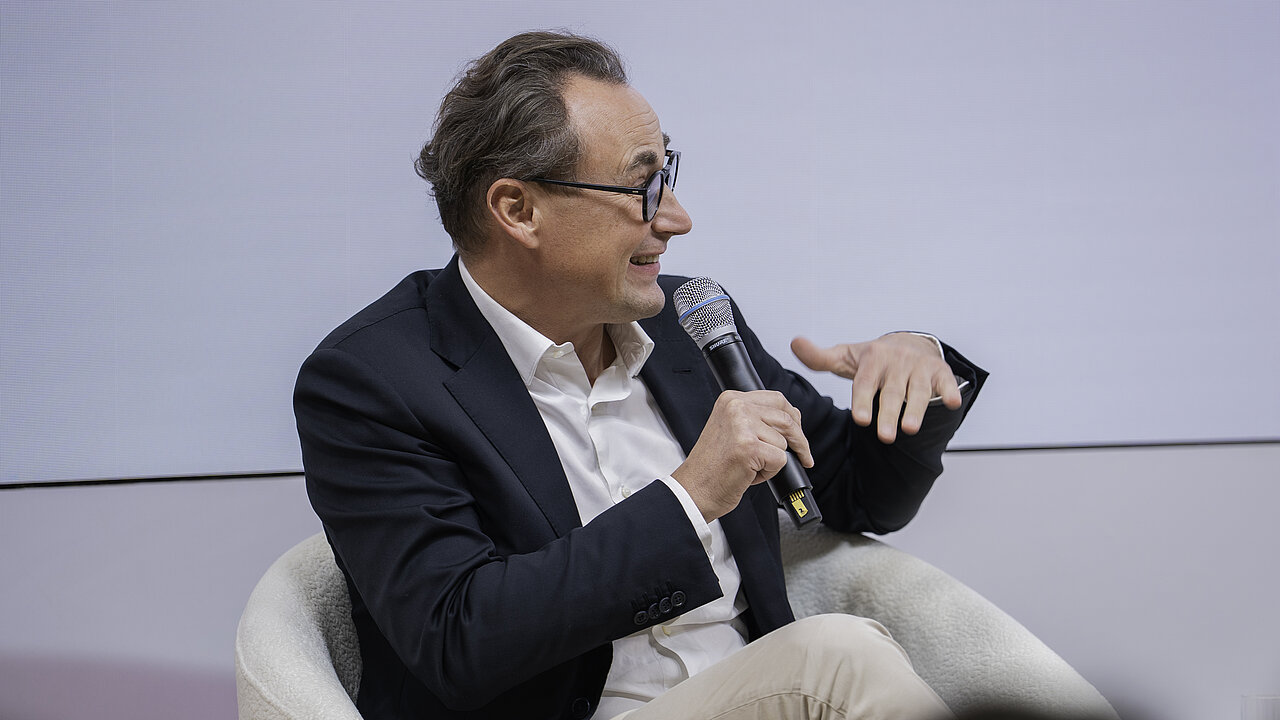
The panel featured Georgia Iordanescu (Chief, Sustainable Energy and Just Transition Unit, United Nations Industrial Development Organization), Thomas Guillot (CEO, Global Cement and Concrete Association) and Gerhard Schlaudraff (Director-General International Environmental Protection and Climate Action, BMUKN).
The discussion focused in particular on financing a just industrial transition, economically viable circular business models, and how policy incentives and enabling frameworks can stimulate the investment needed.
The panel discussion
Accelerating the industrial transition together
The High-Level Event underscored the importance of international partnerships in achieving a climate-neutral and resource-efficient economy. The experiences of partner countries and the perspectives of international organisations and the private sector demonstrate that a successful and just industrial transition requires a combination of ambitious climate policies, targeted investment, innovation and international knowledge-sharing.
The link has been copied to the clipboard
Contact
IKI Office
Zukunft – Umwelt – Gesellschaft (ZUG) gGmbH
Stresemannstraße 69-71
10963 Berlin
Please submit written enquiries via the contact form.