


How the IKI is making an impact in its partner countries!
#IKIstories
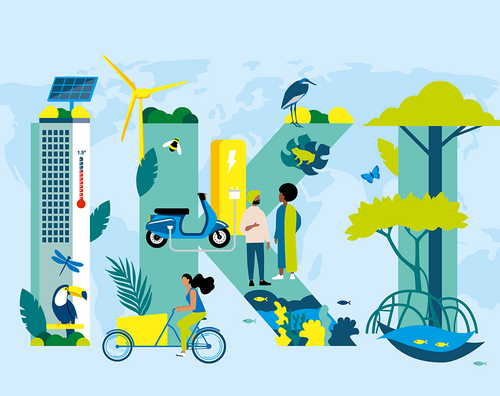
What changes when climate action and biodiversity conservation become a reality on the ground? When people embrace new approaches, solutions are put into practice and projects lead to tangible change?
That is exactly what our IKI Stories are all about. They showcase the impact of projects funded through Germany’s International Climate Initiative (IKI) – and give a voice to the people on the ground.
Discover the people, ideas and changes behind the International Climate Initiative!
Conserving biodiversity
How IKI projects are driving change around the world
In October, the 17th UN Biodiversity Conference (CBD COP 17) in Armenia will put the conservation of biodiversity centre stage. Our IKI Stories show how projects are conserving habitats, protecting species and paving the way towards a future that is more in harmony with nature.
From concern to stewardship in West Wetar
#Biodiversity
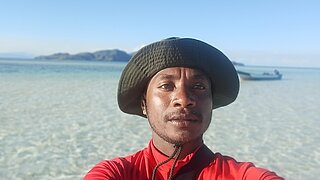
When the West Wetar Conservation Area was designated at the end of 2025, many fishers in far eastern Indonesia feared the sea would close to them. A young community member helped turn that fear into something else: a shared decision to protect the water their families have always lived off.
Rodgers and the elephants of Mount Elgon
#Biodiversity
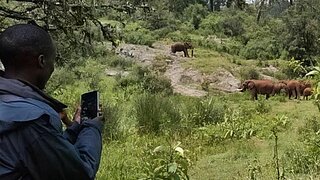
Rodgers Ptalus Ndiema knows when something is wrong. As a trained biodiversity monitor from the indigenous Ogiek people of Mount Elgon, he combines traditional knowledge with digital technology and quickly alerts the Kenyan authorities whenever an elephant is unwell.
How healers in Cameroon are linking healthcare and conservation
#Biodiversity
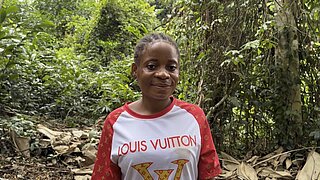
Only healthy communities can take care of nature. In Cameroon, traditional healer Charlotte Mbegna uses her mobile clinic to provide people with modern medicines, whilst at the same time monitoring the ecosystems in the Congo Basin rainforest for signs of zoonotic diseases.
Where biodiversity and productivity go hand in hand

#Biodiversity
What does a cup of coffee have to do with biodiversity? For José David Mazariegos González, the answer is clear: everything. The coffee farmer from Mexico is embracing greater diversity and new cultivation methods. In doing so, he is improving the quality and productivity of his coffee while also protecting the natural environment on which his work depends.
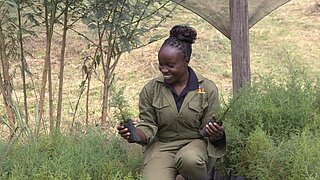
New roots, more milk: Kenya’s journey into a climate-resilient future
#Biodiversity
In a nursery along the Nakuru–Eldoret highway, Verna Violet Angehi does more than keep seedlings alive. She is putting a tree that has grown in this soil for centuries back to work – and it is helping dairy farmers in one of Kenya's driest regions get through the lean months.
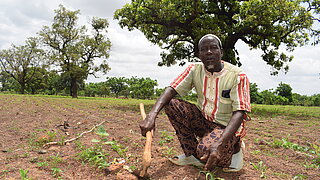
How traditional knowledge shapes the future
#Biodiversity
Reviving traditional farming techniques improves soil, increases food security, and strengthens social cohesion across the rural areas in Burkina Faso. The result: Children can eat in the morning and go to school on a full stomach, and women’s monthly income has tripled.
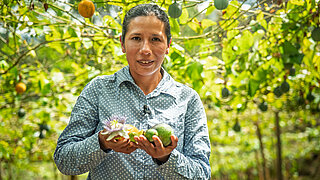
Women as guardians of pollinators in Latin America
#Biodiversity
Without pollinators, there is no food. For Dr Elisa Romero, a scientist and beekeeper, protecting insects is therefore more than just a job. In Peru, she is championing a holistic approach. And she is not alone: across South America, women are working to bring environmental protection and agriculture together.
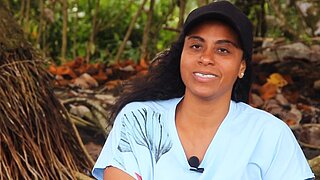
Combatting ghost fishing in Colombia's coast
#Biodiversity
Nelly Ibargüen knows the dangers: lost fishing nets become deadly traps for marine life off Colombia’s Pacific coast. As a ‘Guardian of the Sea’, she dives to retrieve ghost nets, helping to protect the fragile ecosystem and the livelihoods of her community. The recovered nets are even turned into new products.
Climate action in practice
Insights into the work of the IKI
At the UN Climate Change Conference in November, the international community negotiates ways to limit global warming and address the impacts of climate change. Our IKI Stories show how these goals can be translated into action. Discover projects that are advancing innovative solutions and driving change in regions around the world.
Driving Lesotho’s quiet green revolution
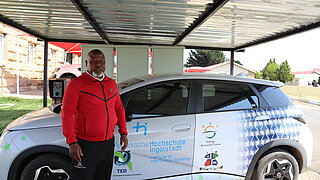
#Mitigation #Electrification #ElectricMobility
T’sita Molapo is showing how an electric car can move more than just people in Lesotho: it brings climate-friendly mobility to life and gives the transition to sustainable transport a boost. His story demonstrates how a single vehicle can become a catalyst for change.
Parbati’s journey towards Nepal’s electric future
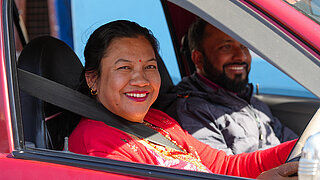
#Mitigation #Electrification #ElectricMobility
Parbati Shrestha has been driving an electric Safa Tempo through Kathmandu for more than 20 years. Now she is taking the next step: training to drive electric minibuses is opening up new career prospects for her and showing how the shift to clean mobility can create new opportunities for women.
Double harvest
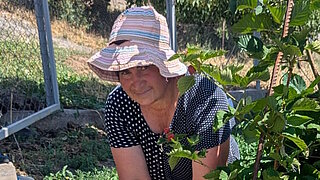
#Mitigation #RenewableEnergy #Electrification
Generating solar power and growing blackberries: Nunufar Frangulyan shows how she combines both. In a mountain village in Armenia, thornless blackberries thrive beneath solar panels. The project combines renewable energy with agriculture, creates new sources of income and shows how climate action can go hand in hand with food security.
The energy transition starts in the kitchen
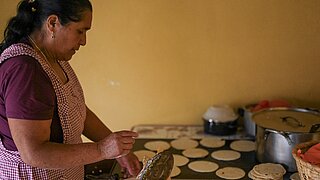
#Mitigation #Health #Electrification
Less smoke, less firewood, a better quality of life: Doña Flory López from Guatemala cooks with less harmful smoke thanks to an improved stove. The new stove reduces firewood consumption by more than half and vents the smoke outside. The result: protection for the environment and people’s health.
Turning organic waste into a value
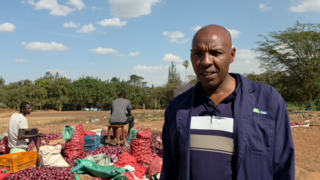
#Mitigation #MethaneReduction
What at first glance appears to be nothing but rubbish offers new opportunities on closer inspection: in Kenya and Uganda, organic market waste is processed into fertiliser and animal feed. People such as the trader Samuel Maina see this as an opportunity to generate income, strengthen local livelihoods and, at the same time, reduce climate-damaging methane emissions.
Turning crab waste into sustainable livelihoods
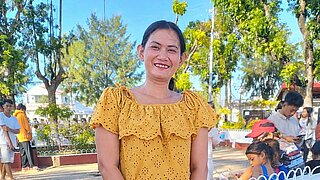
#Mitigation #CircularEconomy
What was once discarded as smelly waste is now an opportunity for Ellene Basa to build a better future. On the Philippine island of Igbon, blue swimming crab shells are turned into valuable raw materials. This creates new income opportunities for the fishing community while reducing environmental pollution and greenhouse gas emissions.
Green skills, real impact
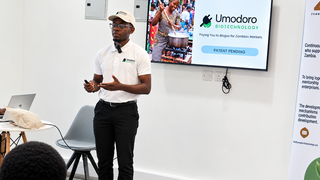
#Mitigation #GreenSkills #CircularEconomy
What others throw away becomes a source of energy for Mphatso Simbao. Through his company, Umodoro Biotech, the young Zambian entrepreneur turns organic market waste into biogas for cooking and fertiliser for agriculture. With support from the IKI, he is developing a sustainable business model that reduces waste, provides affordable energy and creates new economic opportunities.
From bush to biomass
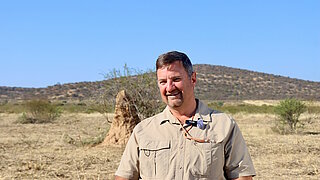
#Mitigation #RenewableEnergy
In Namibia, encroaching bush is being converted into biomass for renewable energy. This creates new sources of income, strengthens agriculture and helps restore grasslands. People such as farmer Koos Briedenhann and machine operator Victor Bumbi are seeing how this is changing their daily lives – and how climate action, economic development and biodiversity conservation can work hand in hand.
Bright futures: clean energy in rural Kenya
#Mitigation #RenewableEnergy #Electrification
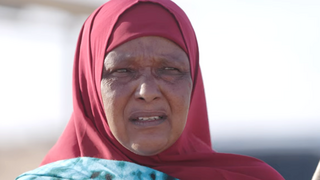
In Elan, a remote village in northern Kenya’s arid region, solar energy is bringing light into homes, improving access to water and creating new learning opportunities for children. For resident Habon Sambur Gaboy and her community, this is making a tangible difference to everyday life.
The link has been copied to the clipboard