COP31: New initiative to combat SF6, the most potent greenhouse gas
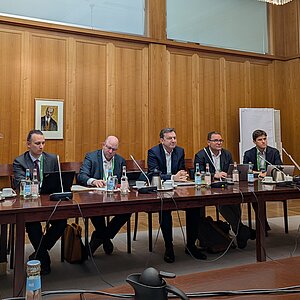
At the World Climate Conference in Antalya, Federal Environment Minister Carsten Schneider was joined by representatives of like-minded countries from different regions of the world to present the new Global SF₆ Pledge.
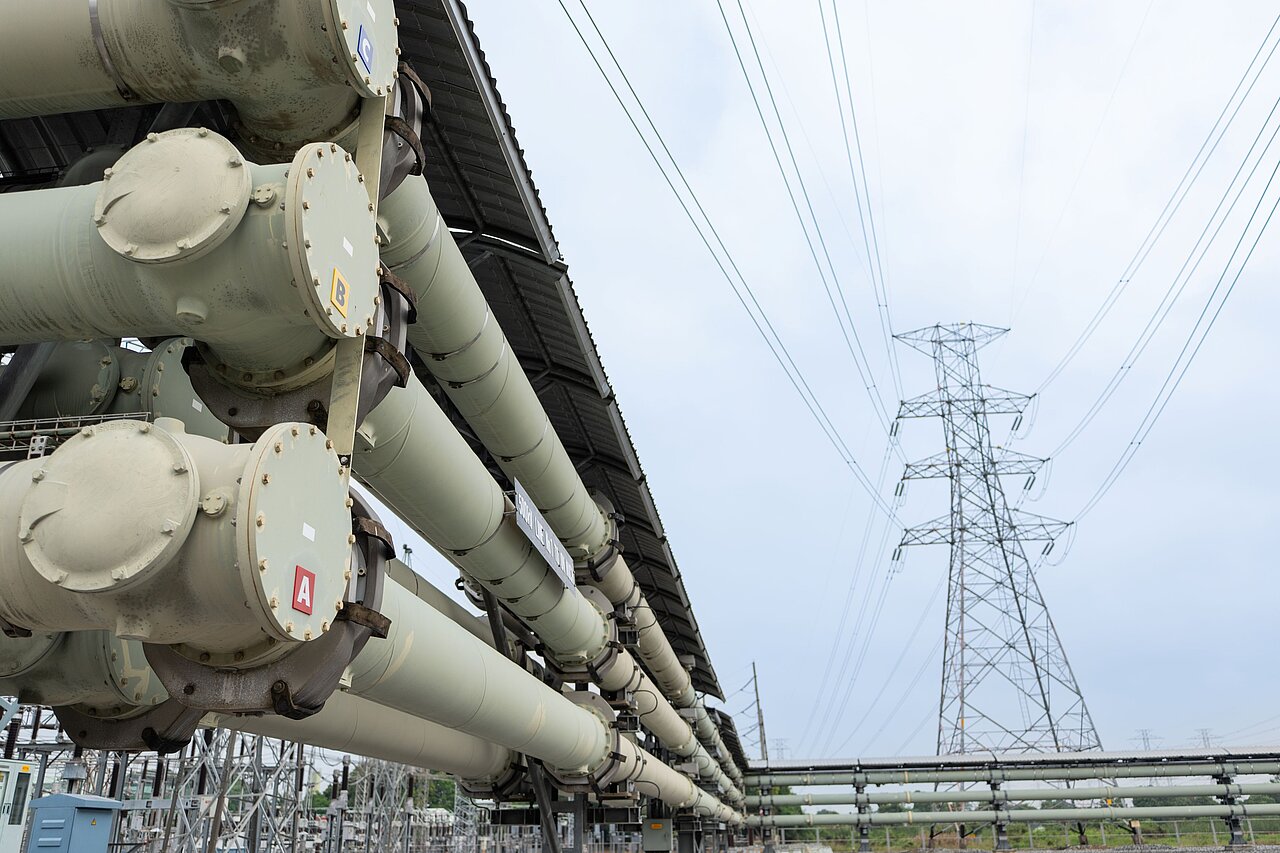
The aim is to cut emissions of sulphur hexafluoride (SF₆) in the power sector and promote climate-friendly alternatives worldwide. Canada, Cambodia, the European Union, France, Kenya, Nigeria, Senegal, Spain, Uganda and the United Kingdom had already announced their support for the Pledge in advance. SF₆ is found in almost every power grid in the world. In switchgear, the gas serves as an insulating and arc-quenching medium: it interrupts electric arcs, prevents short circuits and fires, and has kept grids safe for decades. However, SF6, the most potent of all known greenhouse gases, has a global warming potential 24,000 times greater than carbon dioxide over a 100-year span. And, the gas remains in the atmosphere for more than 1,000 years. Global emissions are rising, mainly due to leakage from transmission and distribution grids.
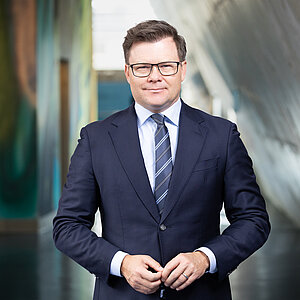
SF₆ is the most potent greenhouse gas there is. Phasing out its use is entirely possible and offers enormous climate benefits. The Global SF₆ Pledge is a key component in the global drive towards greater electrification that we are seeing here in Antalya. As electricity grids expand worldwide, it is vital to deploy climate-friendly technologies from day one. The technologies are largely available and more are in the development stage. Growing global demand creates a clear opportunity for pioneering companies – and for countries like ours that are committed to modern environmental technologies. This initiative demonstrates what an action-oriented climate change conference can achieve. Without the conference, it would not have been possible to rally so many supporters in such a short timeframe. Others will follow, because this good idea will catch on. The SF₆ Initiative is one of many positive developments at the UN Climate Change Conference in Antalya.
Most of the technology needed to make the transition already exists: SF₆-free switchgear is commercially available for medium voltage and for high voltage up to 145 kilovolts and is already being used by major grid operators; pilot projects are under way for the highest voltage levels. In existing equipment, leak prevention and gas recovery and recycling reduce emissions. The European Union already has a binding legal framework in place: since January 2026, new medium-voltage switchgear up to 24 kilovolts may no longer contain SF₆, and further voltage levels will follow by 2032.
At COP31, the signatories want to share this experience internationally and win over further partners. The pledge aims to scale up SF₆-free solutions, especially where grids are currently growing fastest. The issue is particularly relevant because electrification and grid expansion feature prominently on this year’s COP31 Action Agenda. After all, equipment installed today will stay in operation for decades.
How the Pledge will work: four levers
- Improve data. Many countries do not yet know how much SF₆ is in their grids. Better monitoring, reporting and verification (MRV) lays the foundation for all further steps.
- Manage existing grid infrastructure. Equipment that works does not necessarily have to be replaced. The first priority is to deal with older, leaking equipment, together with the recovery and recycling of the gas.
- Deploy SF₆-free technology. New equipment should, wherever technically feasible, operate without SF₆. The pledge is not limited to specific technologies and manufacturers.
- Mobilise finance. With the World Bank as a partner, the aim is to close financing gaps and prepare and pool projects.
Background
The Global SF₆ Pledge: By endorsing the voluntary pledge, governments commit to improving data on SF₆ stocks and emissions, minimising emissions through environmentally sound management and promoting SF₆-free technologies. Its voluntary nature allows countries with different national conditions to start right away. A first meeting of supporters took place on 4 November 2026 at the 38th Meeting of the Parties to the Montreal Protocol (MOP38) in Kigali. The pledge is open for further countries to join.
The SF₆ Initiative: The pledge is backed by an international initiative that the Federal Environment Ministry is funding with 15,5 million euros over several years through two projects under the International Climate Initiative (IKI). The initiative will be implemented by GIZ (secretariat), the World Bank (ESMAP, SCALE) and the UN Climate Technology Centre and Network (CTCN); further supporters include the Climate and Clean Air Coalition (CCAC), the Green Grids Initiative and the German Environment Agency (UBA). Over the coming months, working groups of governments, manufacturers, grid operators and financial institutions will build on the pledge.
The link has been copied to the clipboard
Contact
IKI Office
Zukunft – Umwelt – Gesellschaft (ZUG) gGmbH
Stresemannstraße 69-71
10963 Berlin
Please submit written enquiries via the contact form.