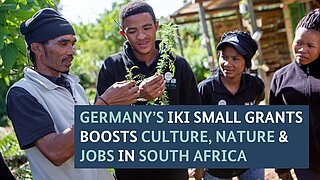


South Africa: Conserving Nature and Heritage for Livelihoods
With IKI Small Grants, a South African social enterprise proved that conserving biodiversity and culture can go hand in hand with income generation.
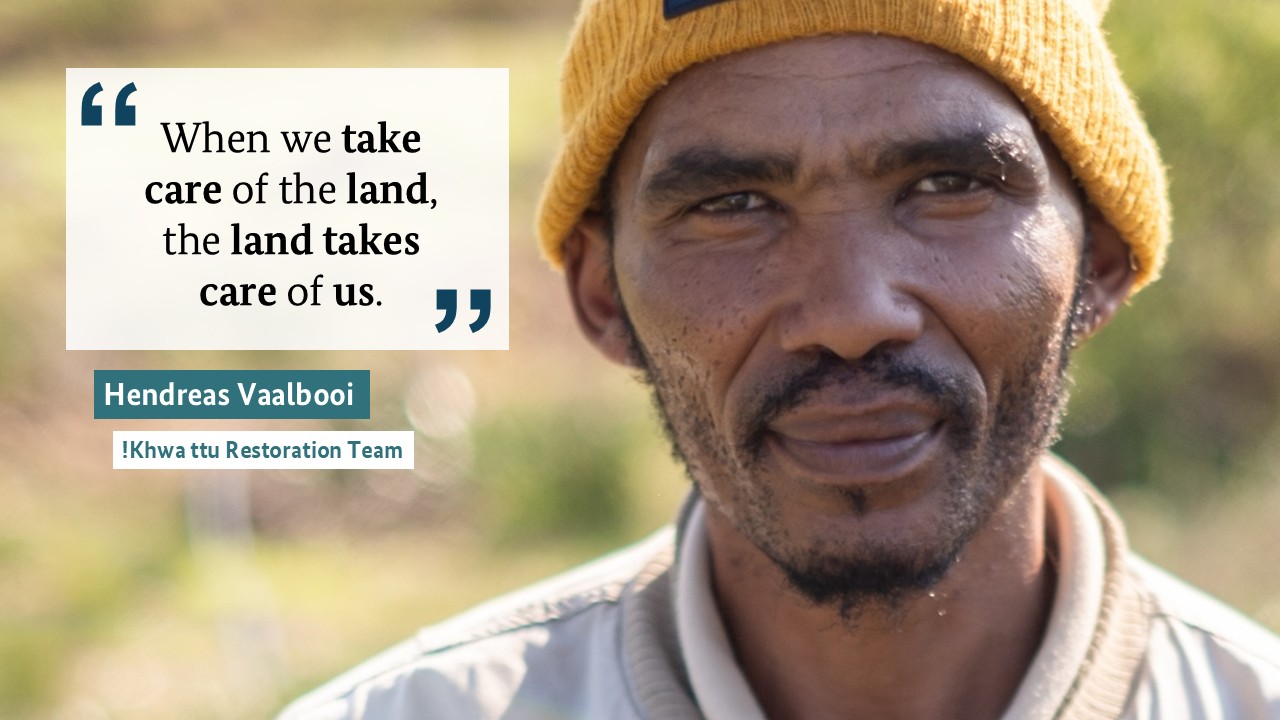
When Hendreas Vaalboi gazes upon the expansive land surrounding the modern museum building that was once an abandoned old farm, he sees the land of his people. Hendreas belongs to the San, an indigenous group that represents one of the world’s oldest continuous cultures and one of the last hunter-gatherer societies on earth. It’s people reside in countries across southern Africa. Hendreas also sees a rich natural environment that deserves protection. The land has always provided his people with so much, from food to medicine and more.
A centre for education and employment
Just north of Cape Town, South Africa, a non-profit organisation established a centre to promote and preserve this heritage. The !Khwa ttu San Culture and Education Centre functions as both a museum about the San culture and a tourism destination, offering accommodation, guided tours, a restaurant serving locally sourced traditional food, and a gift shop featuring handcrafted products. The centre creates job opportunities and provides training for community members. It also supports small, San led businesses, including crafters, as well as initiatives like traditional dance groups. Ultimately, the centre aims to become a self-sustaining social enterprise. It also functions as a community hub, particularly for young San people.
For Hendreas Vaalbooi, who leads the restoration team at !Khwa ttu, protecting nature is essential to the San people.
Protecting nature in a biodiversity hotspot
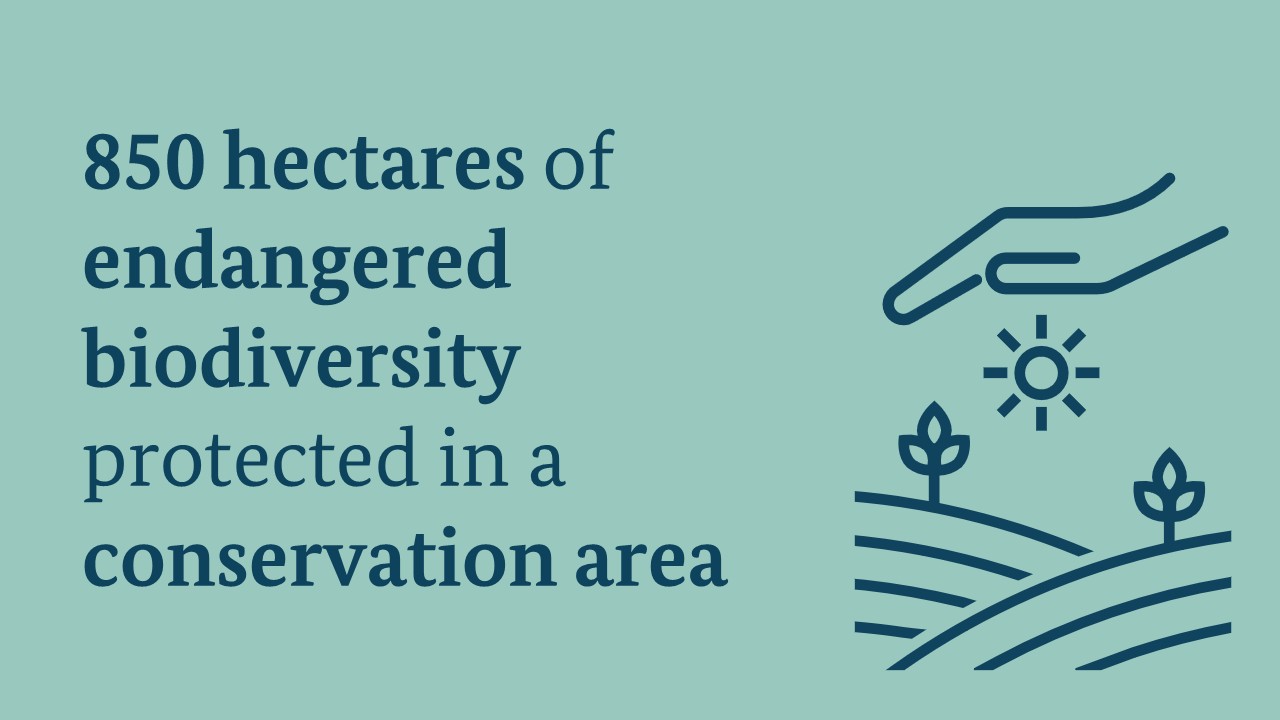
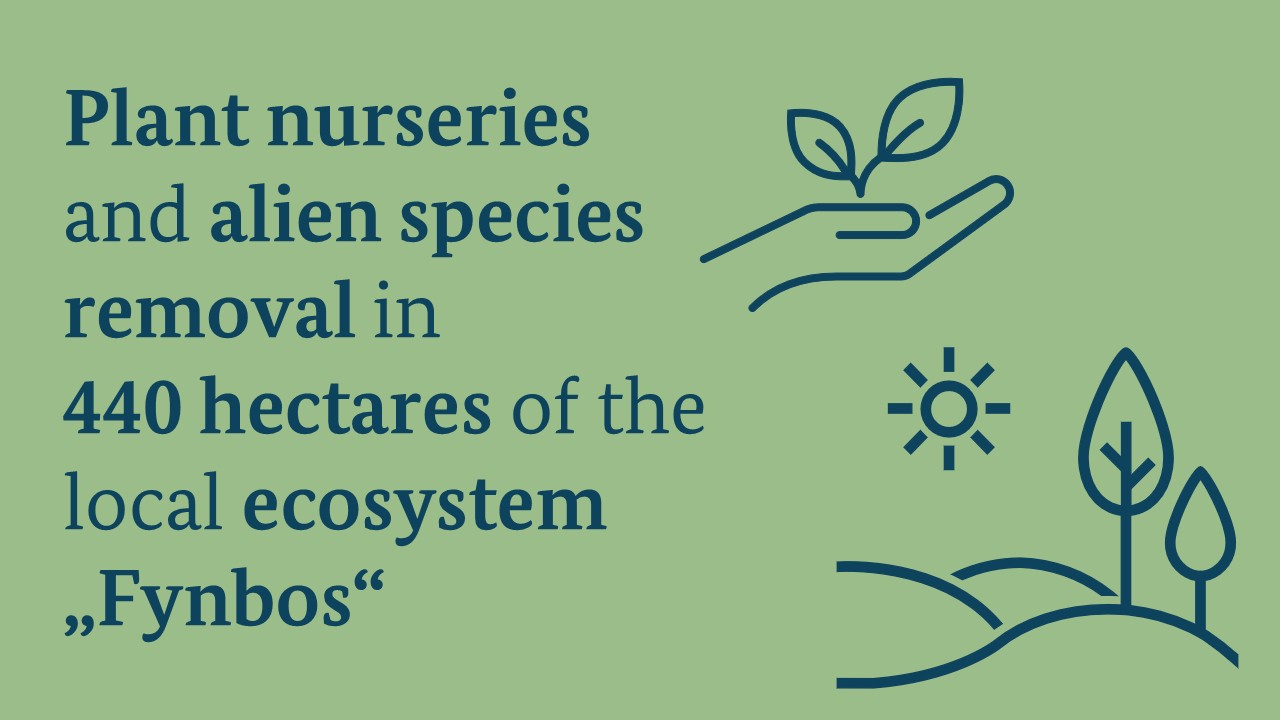
The centre, locally referred to as the "embassy" of the San people, is situated within a Biosphere Reserve, a biodiversity hotspot that hosts globally unique but endangered species. To address habitat loss, the initiative supported by IKI Small Grants established conditions for the Centre’s 850-hectare farm to be legally-zoned as a conservation area. This initiative enables endemic and indigenous vegetation to recover naturally. Active measures to restore the local ecosystem, known as "Fynbos", included the removal of invasive species and the establishment of plant nurseries.
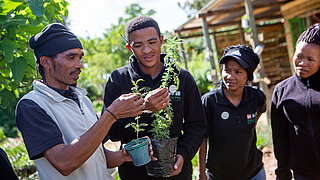
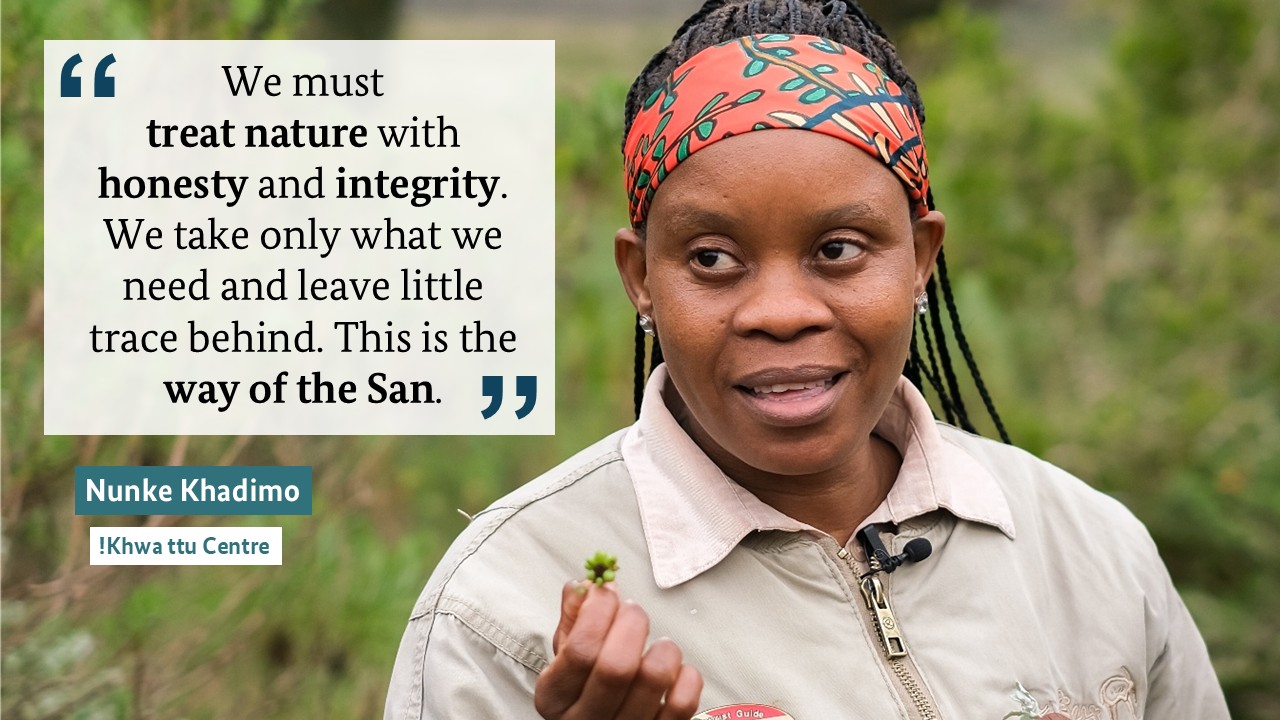
The project leveraged the indigenous San people's knowledge about plants and their uses, with young San individuals being trained as biodiversity ambassadors. More than half of the staff on the reserve are women. One of them is Nunke Khadimo, who works as a Nature Guide. She educates visitors about the precious nature reserve surrounding the Centre, which is rich in biodiversity.
International recognition for a successful initiative
During the project supported by IKI Small Grants, the centre welcomed over 40,000 visitors, including 2,400 students. The centre's successful integration of biodiversity conservation with income-generating activities such as environmental and cultural education and tourism serves as a model for others. It has already received several national and international awards, recognising its impactful approach and work.
Project success secures continued support from IKI Small Grants
The !Khwa ttu San Culture and Education Centre successfully applied for a second IKI Small Grants grant, extending support until 2027 to further protect and restore the valuable Fynbos ecosystems. Educational programmes and biodiversity protection measures are being expanded, while the previously funded business model is being enhanced with an even greater focus on ecotourism. San community members from neighboring countries, Namibia and Botswana, will be trained in areas such as restaurant management and tour guiding.
About IKI Small Grants
IKI Small Grants is strengthening local solutions for effective climate and biodiversity action. It is part of the International Climate Initiative (IKI), commissioned by the Federal Ministry for the Environment, Climate Action, Nature Conservation and Nuclear Safety (BMUKN). IKI Small Grants fosters bottom-up solutions while strengthening capacities of local actors. It is run by Deutsche Gesellschaft für Internationale Zusammenarbeit (GIZ) GmbH.
The link has been copied to the clipboard
Contact
IKI Office
Zukunft – Umwelt – Gesellschaft (ZUG) gGmbH
Stresemannstraße 69-71
10963 Berlin