

Simplicity is key to protecting Peruvian highland biodiversity

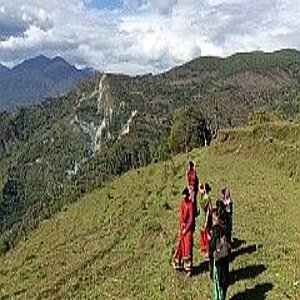
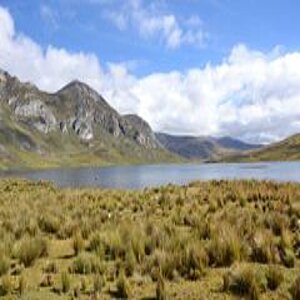
Located some 3,500 meters above sea level, the indigenous population of the Peruvian village of Miraflores has lived in harmony with nature for centuries. Even today, they produce their food using traditional means, and barter with neighbors from other communities. They plant "papa nativas" - the so-called original potato - and keep llamas, sheep and cows. But erratic rainfall and harsh heat are making their lives difficult - and are testimony to just exactly how Peru is being affected by climate change. At the same time, their cattle are grazing on sensitive grass landscapes that traditionally serve as refuge for many bird species, which contributes to the fields drying out. The IUCN is helping them fence the cows off from the freshly planted fields, and create kilometer-long irrigation systems that are drawing threatened species back to the area.
A film by Holger Trzeczak
The link has been copied to the clipboard
Information
Length
7:12 Minutes
Date of publication
2015
Project
Ecosystem Based Adaptation in Mountain Ecosystems
Global Ideas

Related Videos

Related Publications

Further publications related to the International Climate Initiative and its projects can be found in the publications section of our website.