
Strengthening coastal biodiversity conservation and management through protection and rehabilitation incentives for coastal carbon sinks in Pacific Island countries
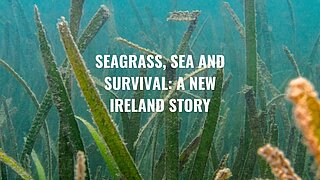
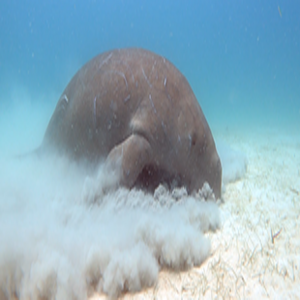
Seagrass meadows and mangrove forests provide a wide range of ecosystem services. The project worked with regional partners to map existing seagrass and mangrove stocks using innovative remote sensing methods. This work measured and modeled the extent to which these ecosystems act as a carbon sinks and are also available for other ecosystem services. The data enabled initial estimations of the economic value of natural resources, which helped the national governments to implement strategic measures for protection, management and rehabilitation. Effective measures targeting the measurement, reporting and verification (MRV) of mangrove forests and seagrass meadows as carbon sinks will help policymakers to design incentive systems that are aimed at sustainable ecosystem management and restoration. This, in turn, accelerates the implementation of NDCs and national adaptation programmes of action (NAPAs).
- Countries
- Fiji, Papua New Guinea, Solomon Islands, Vanuatu
- IKI funding
- 9,220,000.00 €
- Duration
- 12/2018 till 05/2026
- Status
- completed
- Implementing organisation
- Deutsche Gesellschaft für Internationale Zusammenarbeit (GIZ) GmbH
- Political Partner
-
- Conservation and Environment Protection Authority - Papua-Neuguinea
- Department of Environment - Fiji
- Department of Environmental Protection and Conservation (DEPC)
- Ministry of Environment, Climate Change, Disaster Management and Meteorology - Solomon Islands
- Secretariat of the Pacific Community (SPC)*
- Secretariat of the Pacific Regional Environment Programme (SPREP) - Samoa
- Implementing Partner
-
- Secretariat of the Pacific Community (SPC)*
- Secretariat of the Pacific Regional Environment Programme (SPREP) - Samoa
State of implementation/results
- Project completed
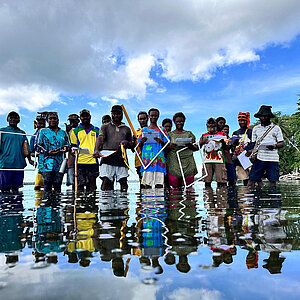
- From 2025 onwards, the project supported coastal communities in Papua New Guinea, Vanuatu, Fiji and the Solomon Islands through its partner SPREP in developing and implementing local management plans for mangrove and seagrass ecosystems; in total, 5,438 ha of coastal ecosystems were protected or sustainably managed, directly benefiting 4,138 people.
- In 2025, carbon stock assessments in mangrove and seagrass ecosystems were completed across all four partner countries and country-specific emission factors were developed; in addition, biodiversity and threat assessments were conducted and national experts were trained.
- In November 2025, the national Blue Carbon Policy of Papua New Guinea was officially launched with support from the project; in parallel, the project supported the development of a Blue Carbon Policy in Vanuatu (2024/2025) and the formulation of a national mangrove management plan in the Solomon Islands.
- In 2025, updated mangrove maps (2016–2024) and, for the first time, regional seagrass maps were published via the Digital Earth Pacific platform and made accessible to all partner countries.
- The project presented its results at international conferences, including the Pacific Islands Ocean Conference in Honiara in October 2025.
- From 2023 onwards, the project supported the development of national Blue Carbon policies, including contributions to a national stakeholder process in Papua New Guinea and collaboration with government partners and organisations such as The Nature Conservancy.
- The project successfully initiated the restoration of degraded seagrass meadows on Viti Levu (Fiji) in cooperation with the Fiji National University and local communities; initial results were presented internationally and were incorporated into regional management approaches.
- Project partner SPC launched the Digital Earth Pacific platform in October 2023 to support mapping activities; the first mangrove mapping results were presented in March 2024.
- The project organised several regional exchange formats and technical events in 2023/2024, including activities for World Seagrass Day (1 March 2024) and the International Day for the Conservation of the Mangrove Ecosystem (26 July 2024), as well as media campaigns highlighting the importance of coastal ecosystems for fisheries and climate protection.
- At the regional level, the project continuously supported the Secretariat of the International Partnership for Blue Carbon (IPBC) through technical inputs to methodological approaches, studies and roadmaps, and by preparing a regional exchange platform for Pacific Island countries.
Latest Update:
10/2026
Further links
Project relations
Legend:
The link has been copied to the clipboard