
Forest conservation and bioeconomy for climate, biodiversity and sustainable livelihoods
With this year's theme 'Forests and Economies’, the 2026 International Day of Forests highlights the economic importance of healthy forest ecosystems and their role in sustainable development.
Forests make a significant economic contribution worldwide through their essential ecosystem services: they provide clean water, help combat climate change by storing carbon, maintain soil fertility, support ecotourism, and provide energy and raw materials. In addition, forest ecosystems provide the foundation for a sustainable bioeconomy. The bioeconomy refers to an economic model based on biological, renewable resources that enables sustainable material cycles and reduces the economic system's dependence on fossil fuels.
Challenges for the bioeconomy
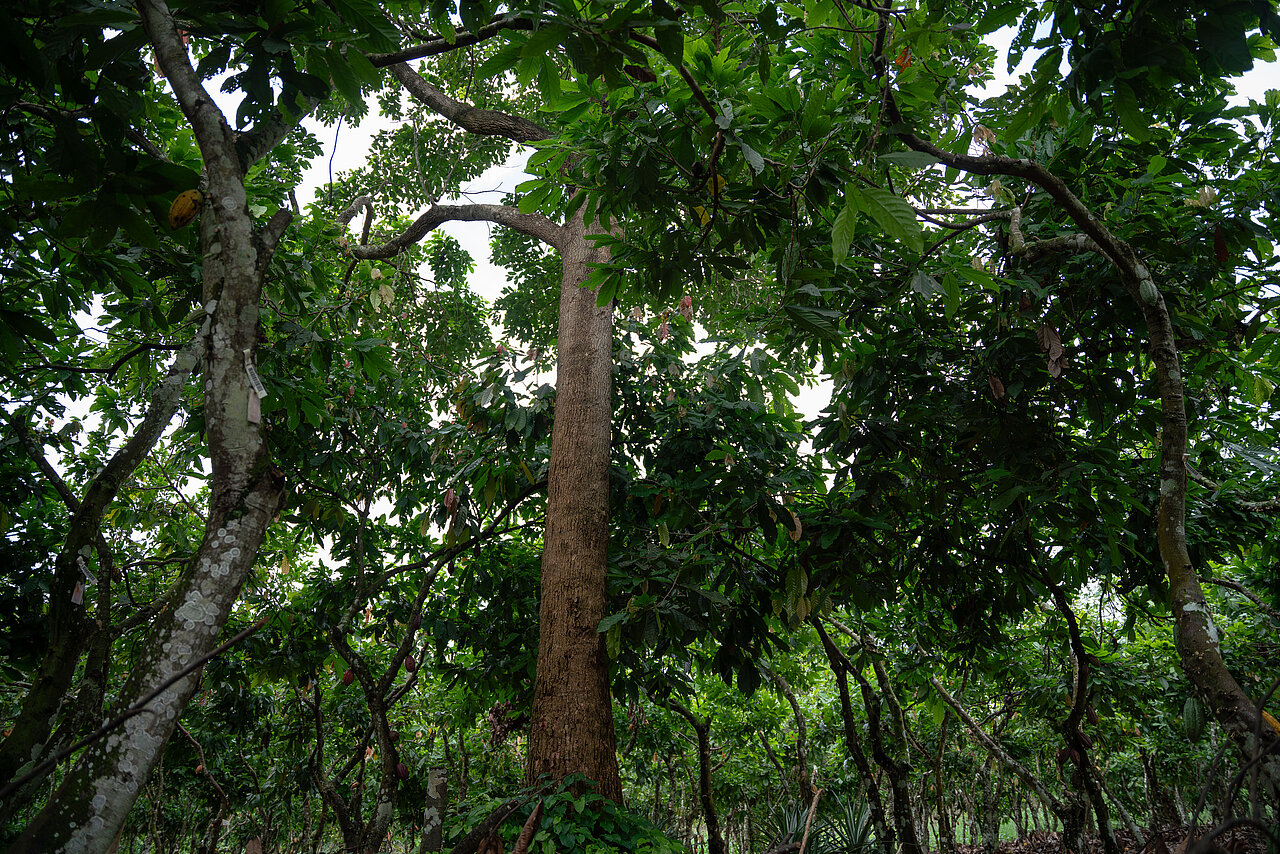
Forests play a special role in the bioeconomy as a source of wood and many other products and ecosystem services. However, overexploitation and large-scale deforestation to create new agricultural land are threatening healthy forests in many countries. Demand for raw materials, reinforced by global supply chains, is increasing the pressure for deforestation. The European Union's Regulation on Deforestation-free Products (EUDR) aims to ensure that certain raw materials imported into the EU – including timber, coffee, cocoa and soy – have not contributed to the destruction of forests in their countries of origin.
Ensuring deforestation-free agriculture poses financial challenges, not least for smallholders and actors in downstream supply chains. In the search for appropriate financing mechanisms for forest conservation, the private sector is increasingly being brought on board as an investor. As a result, it is also becoming a key target group for the International Climate Initiative's (IKI) forest conservation and restoration projects.
Sustainable forest management for a sustainable bioeconomy
The IKI has a dedicated funding area focused on preserving and restoring carbon sinks. Sustainable financing is also a key consideration: the current IKI Strategy 2030 includes a target to mobilise €1.5 billion of private capital by 2030 for climate change mitigation, biodiversity conservation and adaptation in partner countries.
Reducing deforestation and financing sustainable resource use play a key role in IKI projects in this funding area. As part of a specific thematic priority on promoting integrated bioeconomy approaches for resilience-enhancing climate protection and biodiversity conservation, the IKI Large Grants 2025 Ideas Competition sought promising project ideas that combine environmental sustainability with economic growth.
Ongoing and recently approved IKI projects also address forest conservation in the context of sustainable bioeconomies and supply chains:
Networks4conservation: Combating deforestation through local networks for transformative conservation
In Brazil, ongoing deforestation is threatening biodiversity, the climate and the livelihoods of local people. The project promotes forest conservation in close cooperation with local communities and indigenous groups. These target groups are supported in the production and marketing of sustainable bioeconomy products, gain access to finance and benefit from improved conditions for the protection of their territories and the forests within them. In this way, the project makes an important contribution to Brazil's goal of halting deforestation by 2030.
Transforming Agricultural Supply Chains to Deforestation and Conversion-free in Latin America (TRADE4EU)
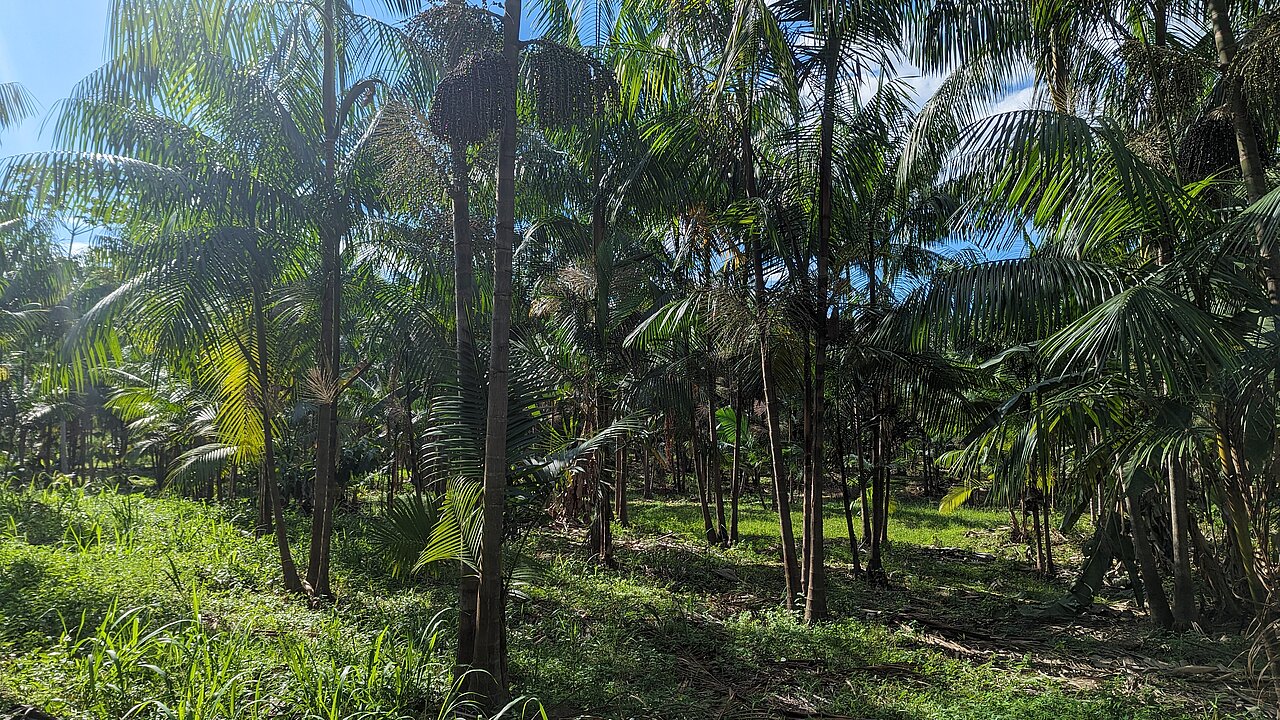
One of the main reasons for the continuing loss of forests and the associated negative impacts on climate, biodiversity and the livelihoods of forest-dependent communities is the expansion of agriculture. Against this background, the project aims to promote agricultural production chains that are free from deforestation and conversion of natural ecosystems, and that are in line with new regulations such as the EUDR. To this end, the project will improve the necessary framework conditions, financing mechanisms, monitoring and traceability systems for transparent and deforestation-free supply chains.
Coronavirus pandemic: financing deforestation-free supply chains in Africa
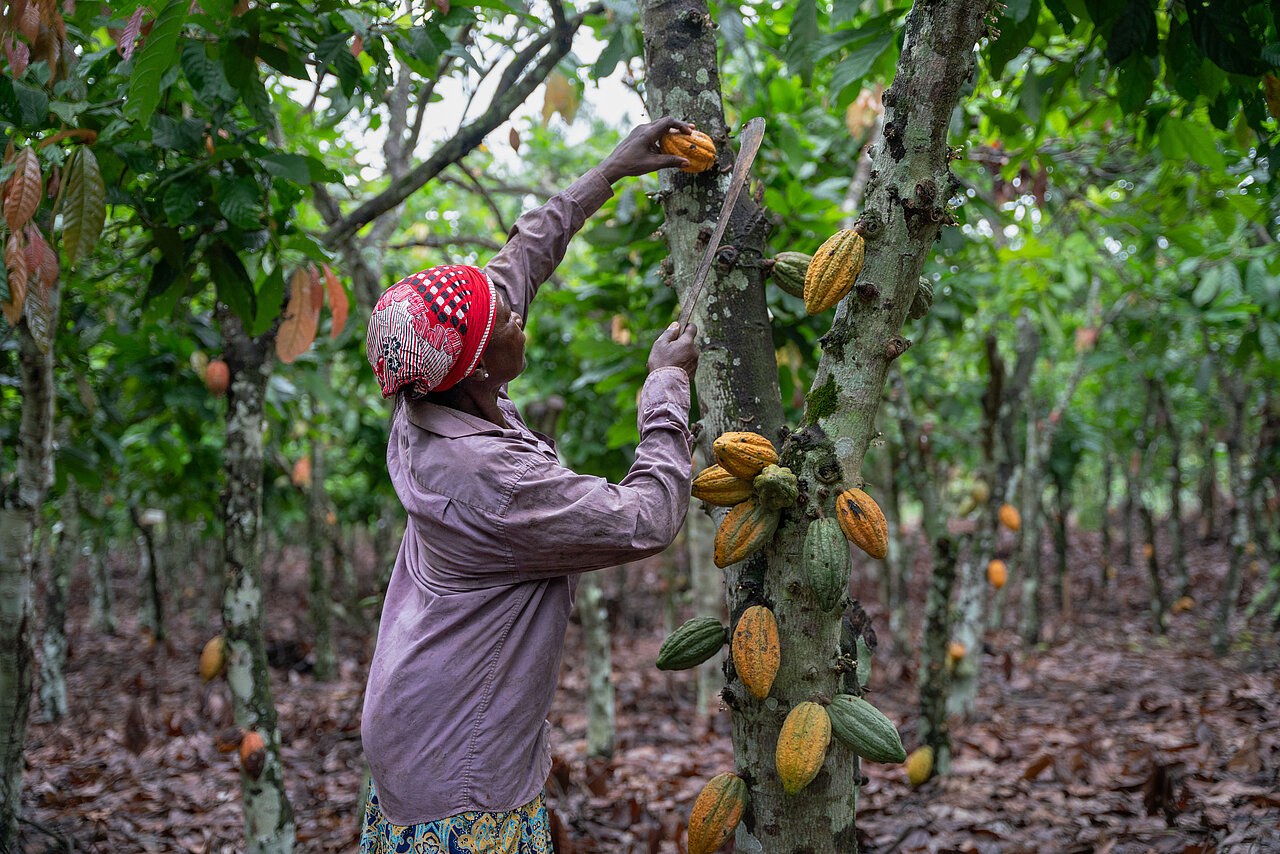
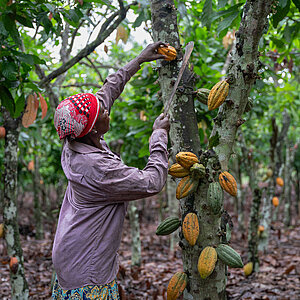
The COVID-19 pandemic threatened the stability of supply chains for sustainably produced coffee and cocoa in West and East Africa. To protect the livelihoods of smallholders using deforestation-free production methods, and to prevent deforestation driven by financial hardship, the project supports selected companies and cooperatives with repayable loans. In addition to supporting deforestation-free supply chains, this also finances reforestation and the establishment of agroforestry systems.
The link has been copied to the clipboard
Contact
IKI Office
Zukunft – Umwelt – Gesellschaft (ZUG) gGmbH
Stresemannstraße 69-71
10963 Berlin
Preserving and restoring natural carbon sinks
Related Videos

Related Publications
-

-
08/ 2023 | Educational material
Scaling deforestation-free robusta coffee production in Uganda
English (PDF, 11 MB)