

Turning organic waste into wealth
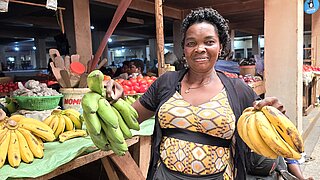
Across markets in Kenya and Uganda, organic waste is more than a disposal problem. With the right support, it can become a source of income, healthier communities and climate action.
The market is already busy when Samuel Maina begins his day at City Park Market in Nairobi. Around him, traders arrange fresh produce for their customers, while crates of tomatoes, avocados and bananas change hands. But not everything will make it to the end of the day. Some produce will become waste – creating costs for traders and adding to a growing waste problem.
For Samuel, however, this waste also represents an opportunity.
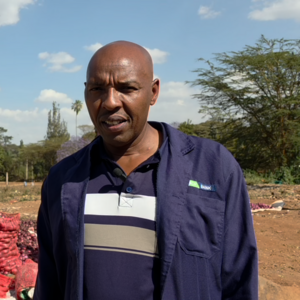
As a trader I am 100% willing to participate in waste management because the waste will be utilized so that instead of going to the garbage site, it will help some youths in earning a living through making organic fertilizer.
Samuel is not alone. A recent baseline survey among traders in Nairobi’s Westlands and Dagoretti North areas found that 92% of respondents are willing to participate in initiatives that turn organic market waste into new products and income opportunities – including recycling, vermicomposting, aerobic composting and the use of Black Soldier Fly (BSF) larvae to produce animal feed.
But willingness alone is not enough.
Turning waste into an opportunity
For many traders, organic waste is currently associated with costs rather than opportunities. Although 82% of those surveyed already pay for waste collection service, 98% do not have suitable waste collection equipment e.g. waste bins, and only 22% currently separate their organic waste.
At the same time, fresh produce can spoil quickly. Oversupply, delayed deliveries, transport damage and unfavorable weather conditions, all contribute to food losses. During the rainy season, the problem becomes particularly acute: 40% of respondents identified April (the long rain season), as the month when they experience the highest levels of food spoilage.
Utilizing waste, creating wealth
The idea resonates beyond Kenya. In Uganda, traders face similar challenges – and see similar opportunities.
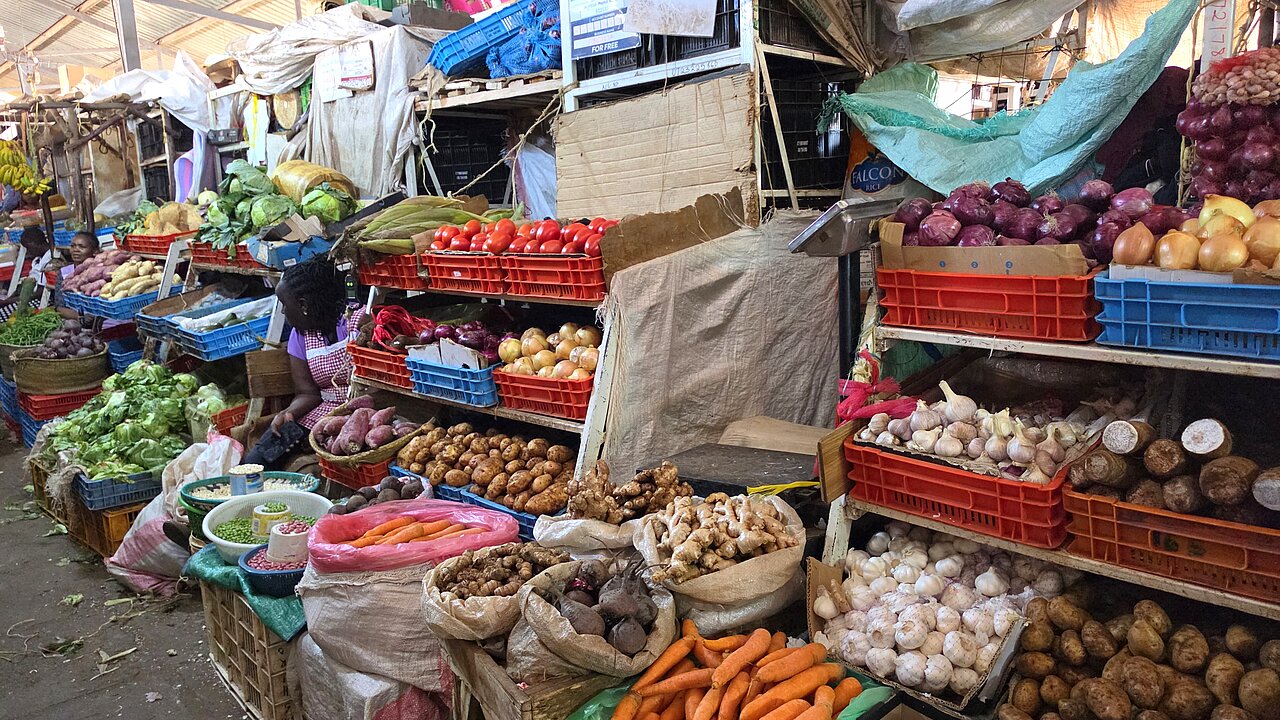
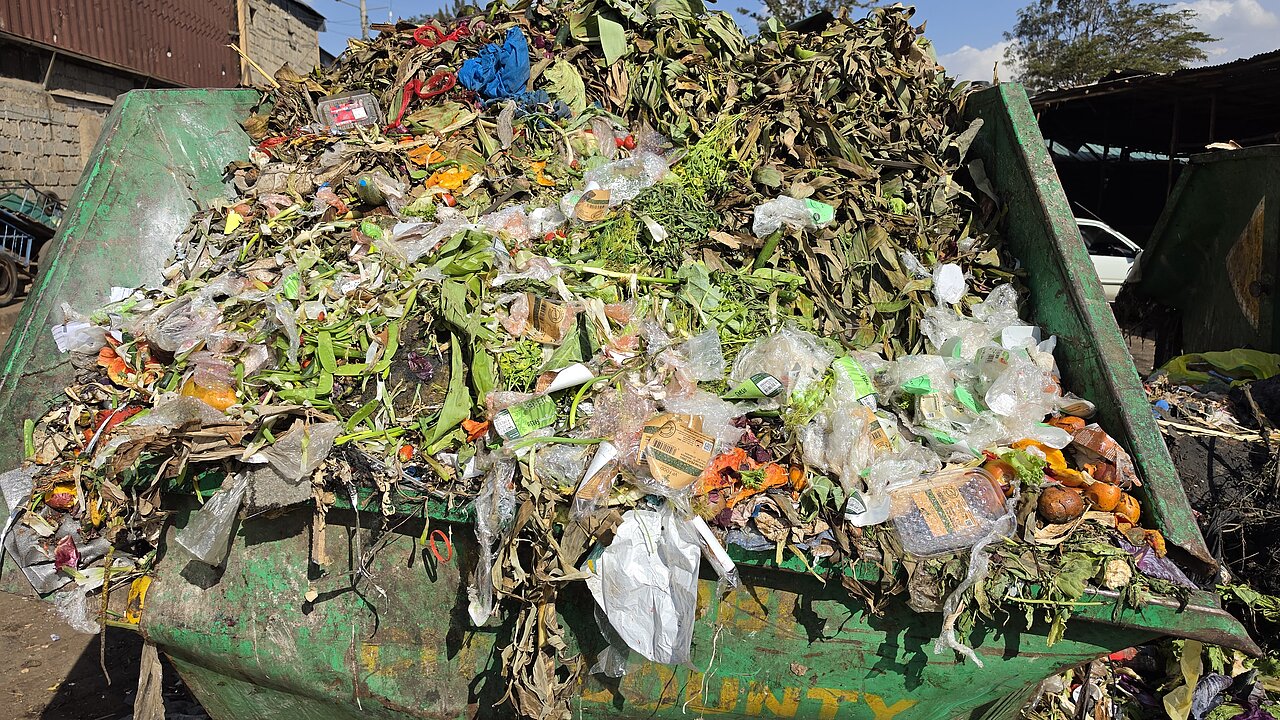
For some products, the losses are substantial. While the median share of wasted produce across all products in a day was 1.7%, losses reached 11.9% for tomatoes, 10% for avocados and 8.6% for pawpaw.
Once discarded, this organic material can create another problem. When organic waste decomposes untreated in landfills, it produces methane – a potent short-lived climate pollutant. It can also generate unpleasant odors, attract pests and increase sanitation and health risks for communities and traders within and around the markets.
Yet the same waste could become a valuable resource.
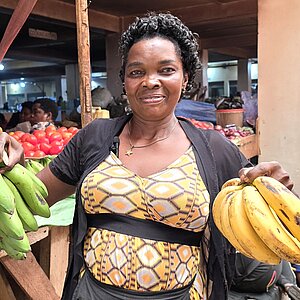
I wish I could get a way to utilize waste so that I can create wealth instead of incurring losses once my bananas produce overripe.
Naboso Joyce’s words capture the central idea behind the Waste to Wealth (WAWE) project: what is currently treated as waste can become an input for new economic activities.
Organic market waste can be processed into organic fertilizer or animal feed, reducing disposal costs while creating opportunities for waste pickers, women and young people.
Farmers could become an important part of this emerging market. Nearly all farmers interviewed in Kiambu and Soroti said they would consider purchasing products made from waste – provided they are affordable, their quality is demonstrated through small trials and they are available locally in small packages.
Many market traders are farmers themselves, creating opportunities for them not only as customers but also as distributors of these new products.
What is needed to make the circular economy work?
The demand for opportunities is clear. But traders and waste pickers need support to turn that demand into viable businesses.
Training is the biggest need: 81% of respondents identified it as a priority. This was followed by access to credit at 59%, opportunities for waste collection and recycling at 52%, and equipment or storage facilities at 46%.
Women face additional barriers. Women over the age of 35 were identified as particularly vulnerable to exclusion from emerging waste-recycling businesses, with 45% of respondents considering them the most disadvantaged group.
Negative social attitudes were the most frequently cited barrier, followed by limited access to training and household responsibilities. Discrimination was also identified as a significant challenge.
Targeted training, affordable financing, appropriate equipment and flexible business arrangements could help women participate in and benefit from the growing waste-recycling economy.
From climate action to better livelihoods
The Waste to Wealth (WAWE) project is working to transform biodegradable market waste into organic fertilizer and sustainable animal feed. In doing so, it addresses several challenges at once: reducing methane emissions, improving the resilience of food systems, strengthening soil health and creating new livelihood opportunities.
The project operates in Kiambu and Nairobi City Counties in Kenya and Soroti City in Uganda, bringing together local governments, universities and private-sector partners.
Supported by the Climate and Clean Air Coalition (CCAC), the initiative demonstrates how practical solutions on the ground can help developing countries tackle climate change while improving people’s health, food security and livelihoods.
Germany’s International Climate Initiative (IKI) is one of the funders supporting this work through the CCAC.
Making solutions work for people
The project is not simply about introducing new technologies for processing organic waste. It is about creating the conditions that allow people to use those technologies and turn them into viable businesses.
That means investing in knowledge, access to finance and equipment, building local markets and ensuring that women and other groups at risk of exclusion can participate.
The approach reflects a central principle of climate action: solutions are more likely to last when they respond to people’s everyday realities and give communities a stake in making them work.
Across Nairobi and beyond, the challenge is therefore no longer simply how to dispose of organic waste. It is how to unlock its value – for people, for food systems and for the climate.
The link has been copied to the clipboard
Contact
IKI Office
Zukunft – Umwelt – Gesellschaft (ZUG) gGmbH
Stresemannstraße 69-71
10963 Berlin
The Climate and Clean Air Coalition
The Climate and Clean Air Coalition (CCAC) is a voluntary partnership of more than 200 governments, intergovernmental organisations and non-governmental organisations, founded in 2012 and convened within the UN Environment Programme (UNEP).
About the Waste to Wealth project
The project is being implemented as part of the Climate and Clean Air Coalition; Germany's International Climate Protection Initiative is one of the funders.