No pollinators, no life!

Thmubnail video "No pollinators, no life!"

The content cannot be shown, because the marketing-cookies were denied. Click here , for accepting the cookies and show the video!

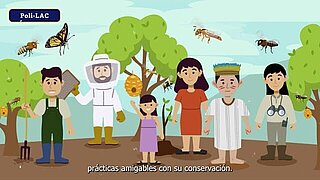
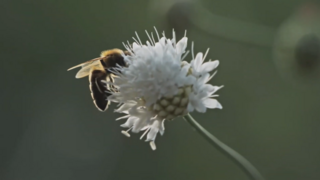
More than 75 percent of the world’s food crops depend, to some extent, on pollination. Bees and other pollinating insects play a vital role on our planet. They support biodiversity, food security, and sustainable agriculture. Without them, most of the fruits, flowers, and seeds we love would simply disappear.
 
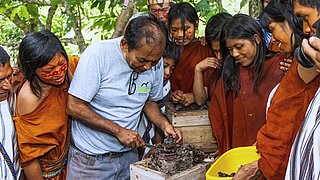
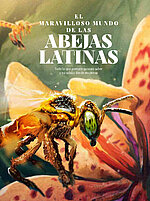
Discover how we are working in Latin America and the Caribbean to promote pollinator-friendly practices and policies and to generate reliable scientific information.

The link has been copied to the clipboard

Information

Language
Spanish

Length
02:32

Date of publication
2025

Country
Peru, Brazil, Costa Rica, Mexico, Paraguay

Project

Regional action for enhanced protection of pollinating insects and pollination services in Latin America and the Caribbean (PoliLAC)

Related Videos

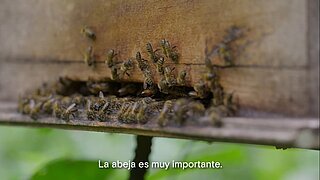
A beehive with several bees flying in and out.

The content cannot be shown, because the marketing-cookies were denied. Click here , for accepting the cookies and show the video!

Related Publications

Further publications related to the International Climate Initiative and its projects can be found in the publications section of our website.
Related news

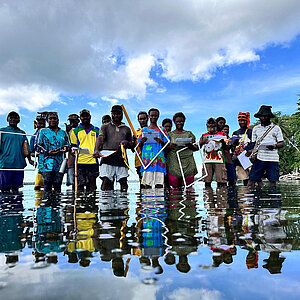
A group of people stands in the shallow ocean waters of Papua New Guinea, taking part in a training session to monitor seagrass meadows and mangrove forests.
10/08/2025

And the winners are …

read more And the winners are …
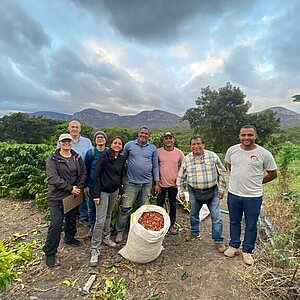
In the center of the image, there is a sack of coffee cherries while a group of eight people poses on a coffee field in front of a picturesque landscape.
09/09/2025

Without pollinators there is no life

read more Without pollinators there is no life
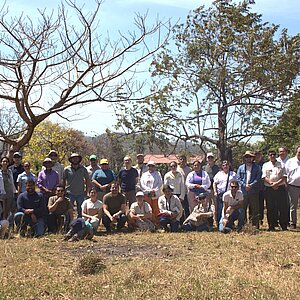
Group photo of a large number of people in a rural outdoor setting, with dry vegetation in the foreground and partly leafless trees in the background.
05/02/2025

Protecting pollinating insects in Latin America and the Caribbean

read more Protecting pollinating insects in Latin America and the Caribbean