
Preparation of an international initiative to mitigate sulphur hexafluoride emissions in the power sector
SF6 is the strongest known greenhouse gas, but its emissions have so far received little attention in international climate protection. SF6 emissions mainly originate from gas-insulated switchgear in the electricity infrastructure. They threaten to rise sharply in the course of grid expansion, especially in developing and emerging economies. The project is therefore preparing an international initiative on SF6 in the electricity sector. The first step is to analyse the technology and financing options for reducing SF6 emissions. On this conceptual basis, the project organises country stakeholder workshops. The aim is to create suitable regulation, monitoring and incentive mechanisms, possibly based on carbon markets. Finally, the project will prepare to embed this initiative in the international institutional landscape.
- IKI funding
- 1,000,000.00 €
- Duration
- 11/2023 till 06/2026
- Status
- open
- Implementing organisation
- Deutsche Gesellschaft für Internationale Zusammenarbeit (GIZ) GmbH
- Implementing Partner
-
- Perspectives Climate Group GmbH
State of implementation/results
- The project first compiled quantitative and qualitative data to establish the necessary information base:
- The global scenarios highlight the risk of a sharp rise in SF6 emissions if no additional efforts are made: a tenfold increase in the SF6 inventory by 2100, a fivefold increase in SF6 emissions to over 40 kt/year by 2050, and a further doubling by 2100). A global phase-out of SF6 in new construction, along with measures in existing infrastructure, holds significant potential for reducing emissions.-- These figures demonstrate that political action is urgently needed to avoid a double “lock-in” of emissions (first for decades in built infrastructure, then for centuries in the atmosphere).
- A regional analysis of the data makes it clear that, given current emissions and the future expansion of the power infrastructure, Asia is particularly relevant for SF6 reduction—and within that region, especially the major emerging economies.
- This analysis underscores the importance of an international initiative on SF6 to support developing and emerging economies in reducing current emissions and avoiding future ones. A first step toward this is the development of country-specific information in collaboration with partner governments, so that they understand the sources of their emissions, as well as the options and costs for avoiding them
- Most countries have so far barely tapped into their potential to avoid SF6 emissions, but are interested in developing future measures and international cooperation, and some have already initiated initial steps, e.g., to create SF6 inventories.-- Depending on the specific circumstances, national regulation, climate finance, or carbon markets could be utilised to reduce SF6 emissions.
- An IKI cooperation was launched with the World Bank to pilot SF6 emission reductions with grid operators.
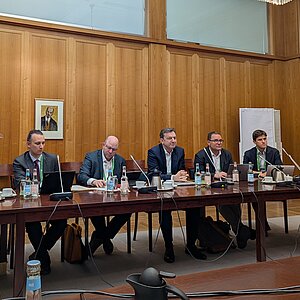
- A session on financing SF6 reductions was held at the COP29 event to present carbon market mechanism options to countries interested in relevant certificates.
Latest Update:
06/2026
Project relations
Legend:
The link has been copied to the clipboard