COP31: IKI Networking Event in Antalya
Turning climate action and environmental measures into reality together
COP31 in Antalya has a clear objective: climate action must move more rapidly from political commitments to implementation and deliver tangible, measurable results. At the same time, the challenges posed by climate change, biodiversity loss and increasing environmental pollution continue to grow.
Since 2008, Germany’s International Climate Initiative (IKI) has been making a tangible contribution to addressing these challenges and continues to evolve its funding approach in response to changing international circumstances.
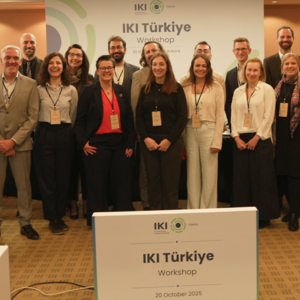
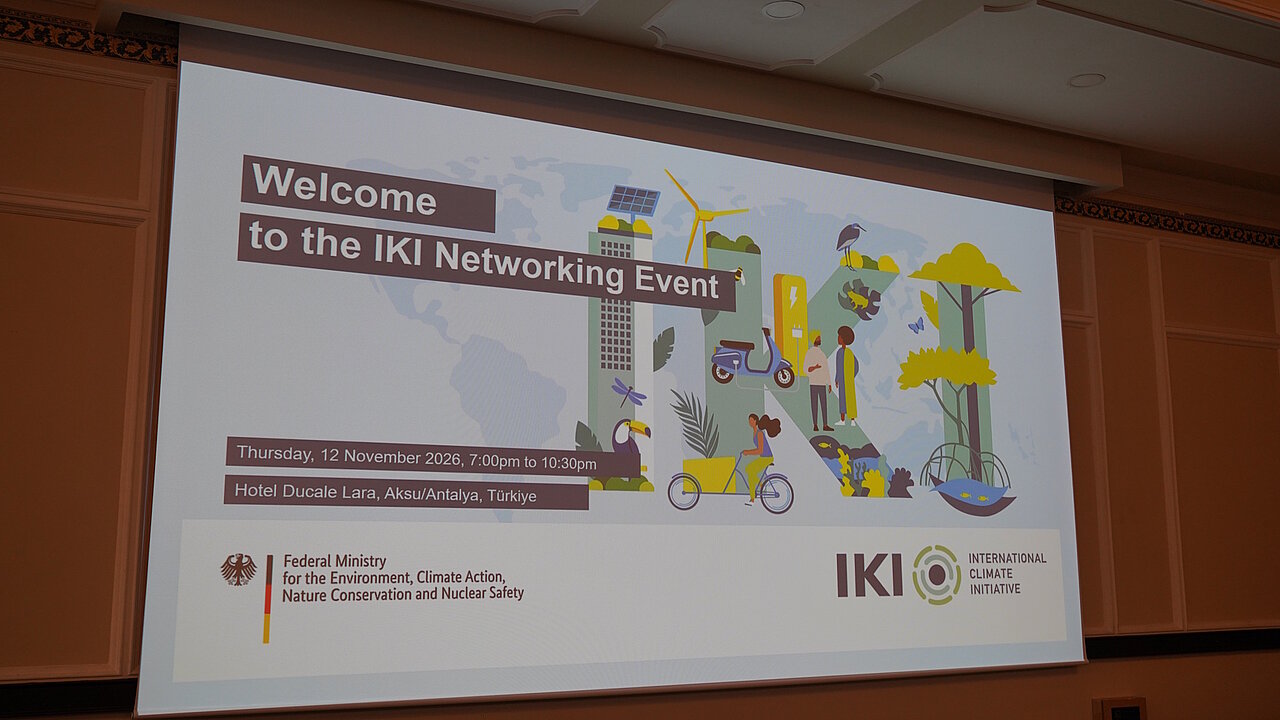
At the IKI Networking Event, held on 12 November 2026 on the sidelines of the 31st UN Climate Change Conference (COP31), the focus was therefore on the strategic direction of the IKI and on how international cooperation can contribute even more effectively to achieving climate and environmental objectives.
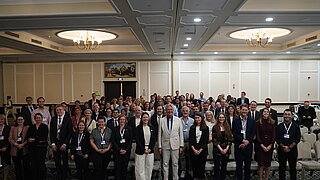
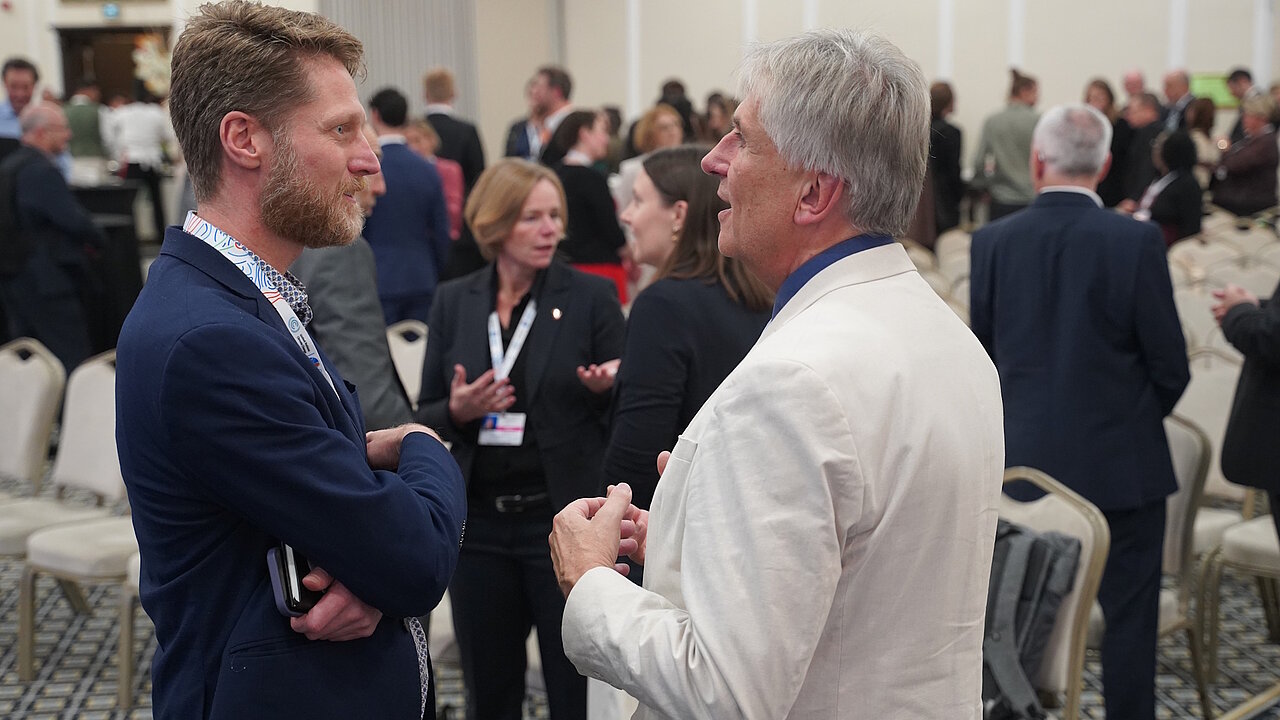
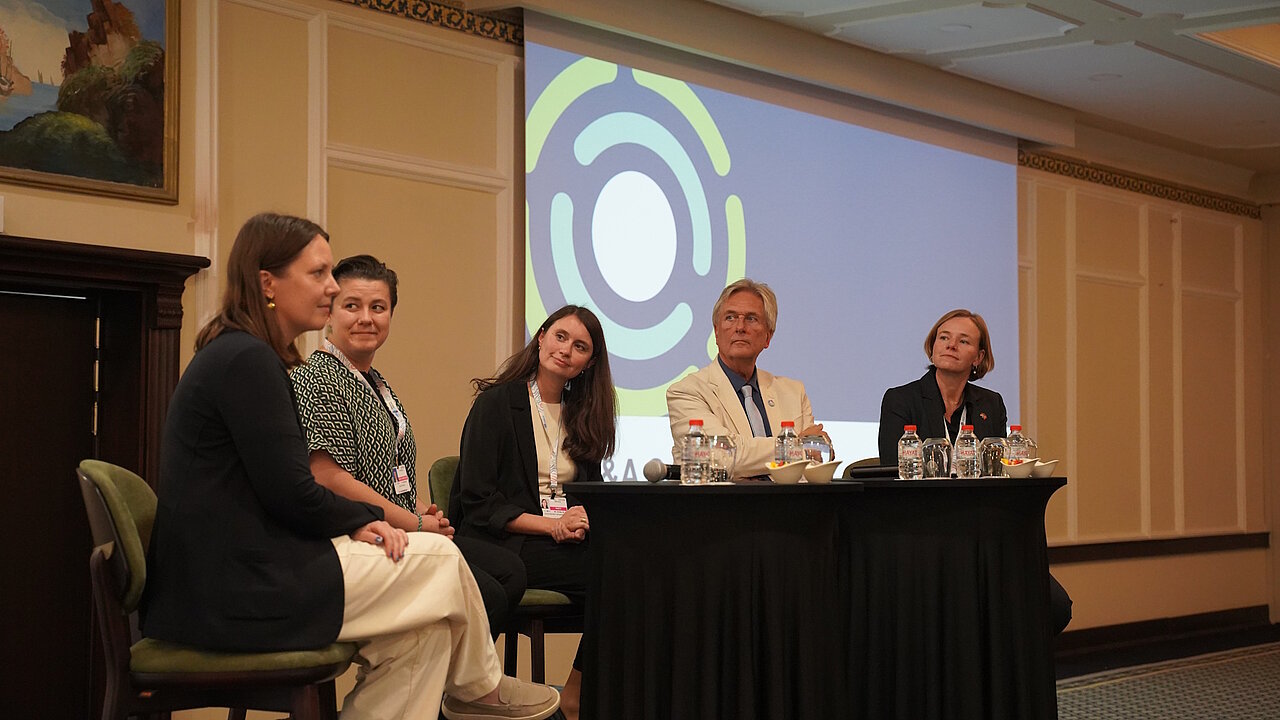
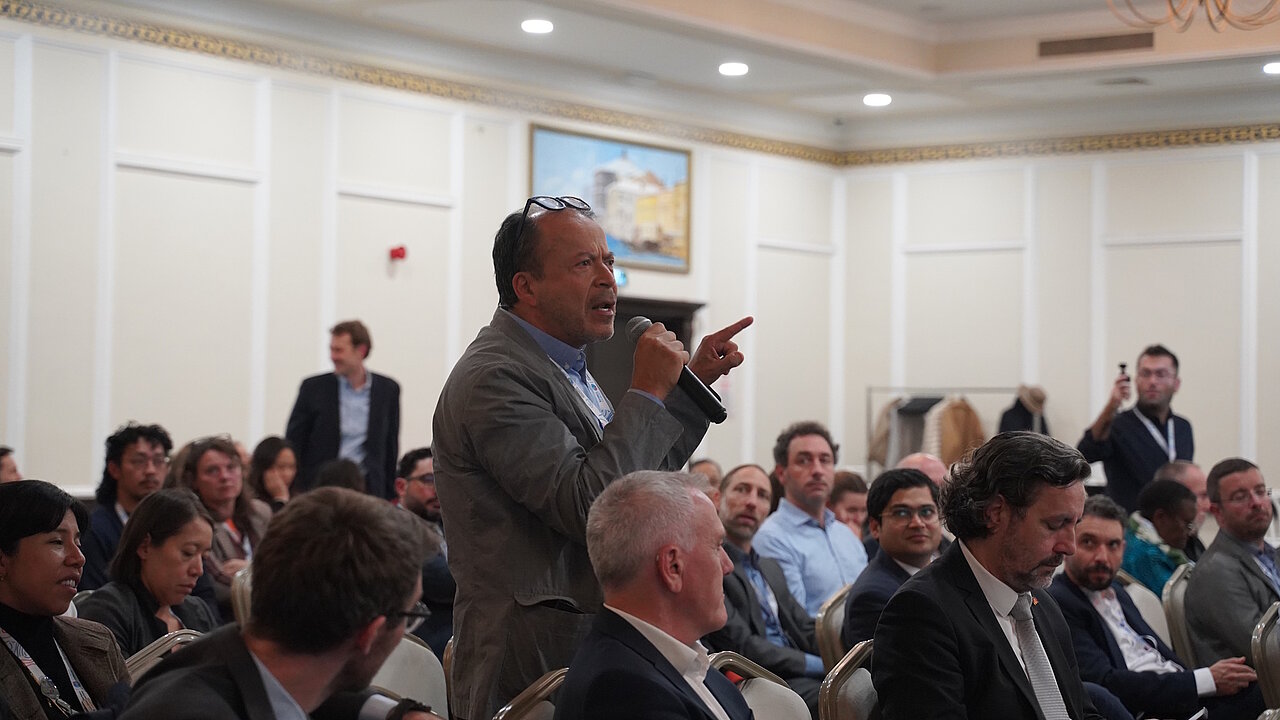
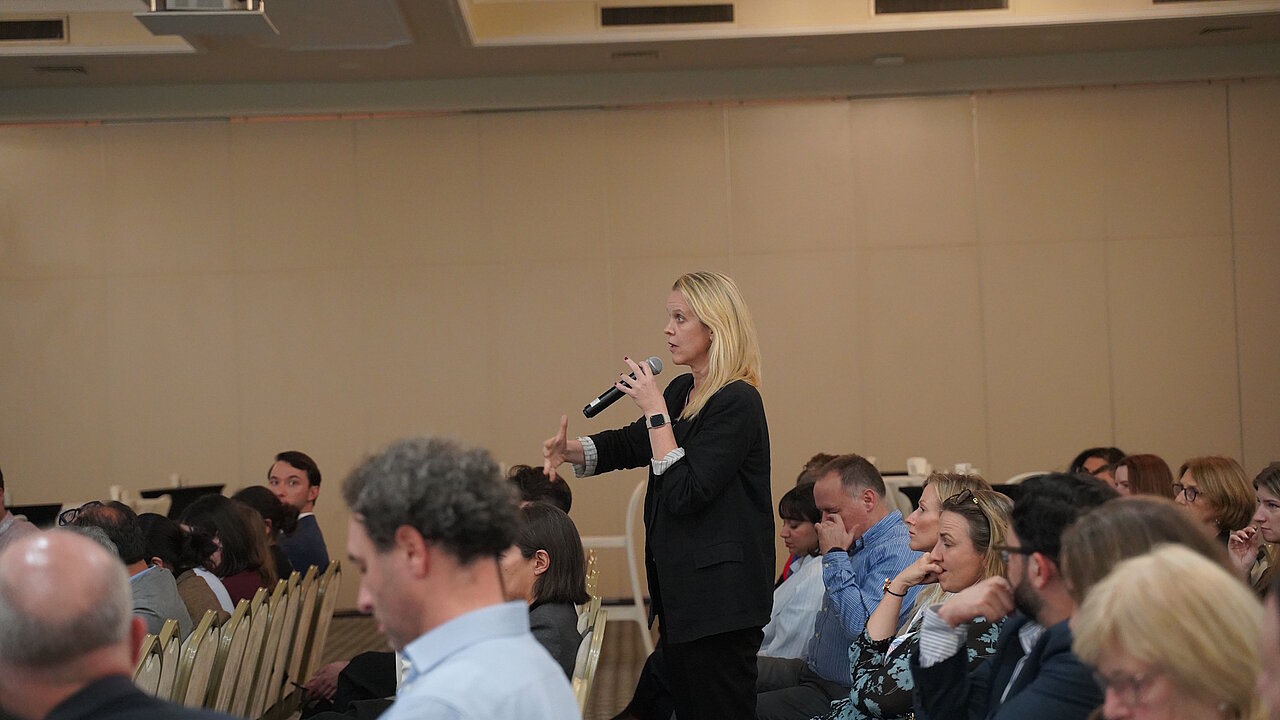
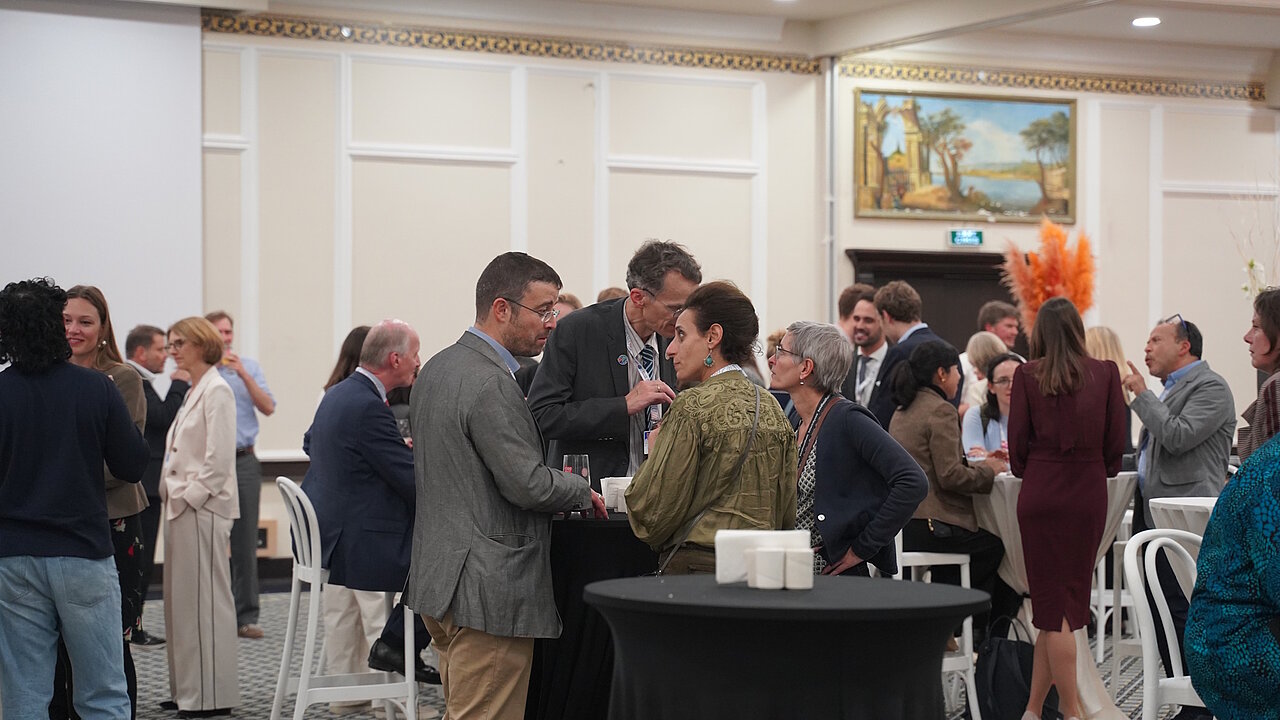
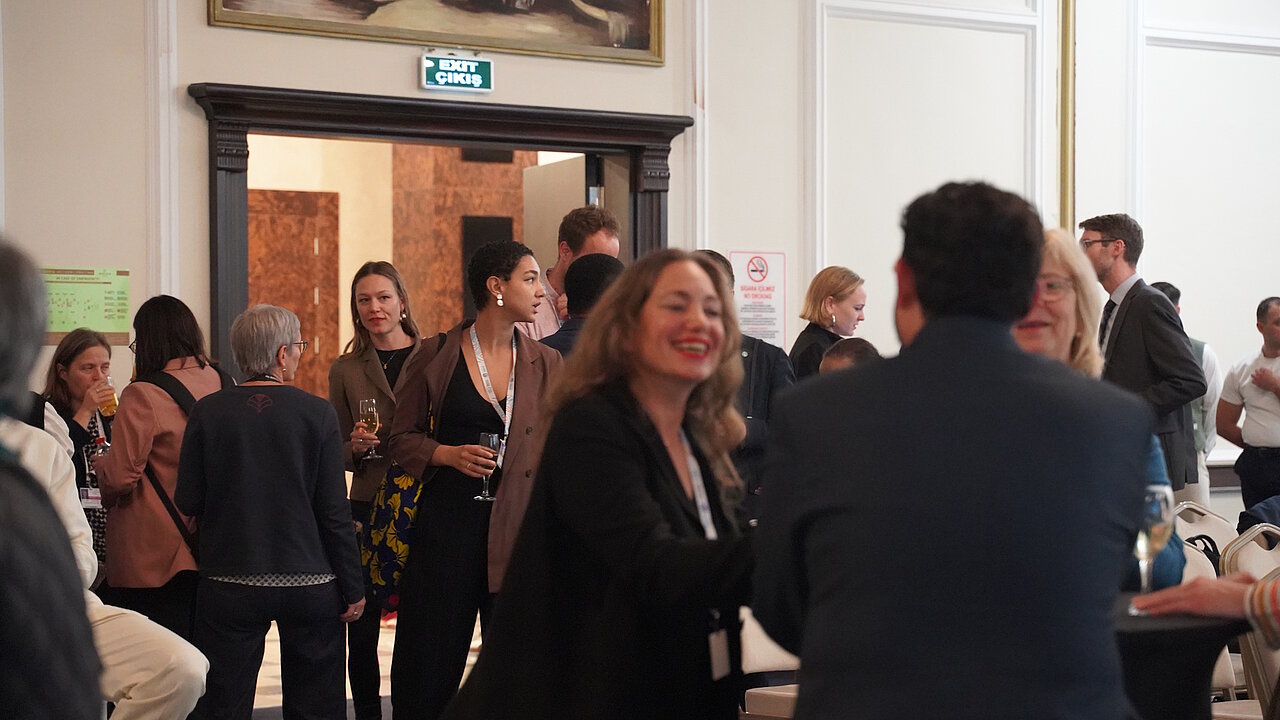
Around 160 representatives of IKI projects took the opportunity to exchange views with one another and with representatives of German government, discuss current developments and establish new contacts.
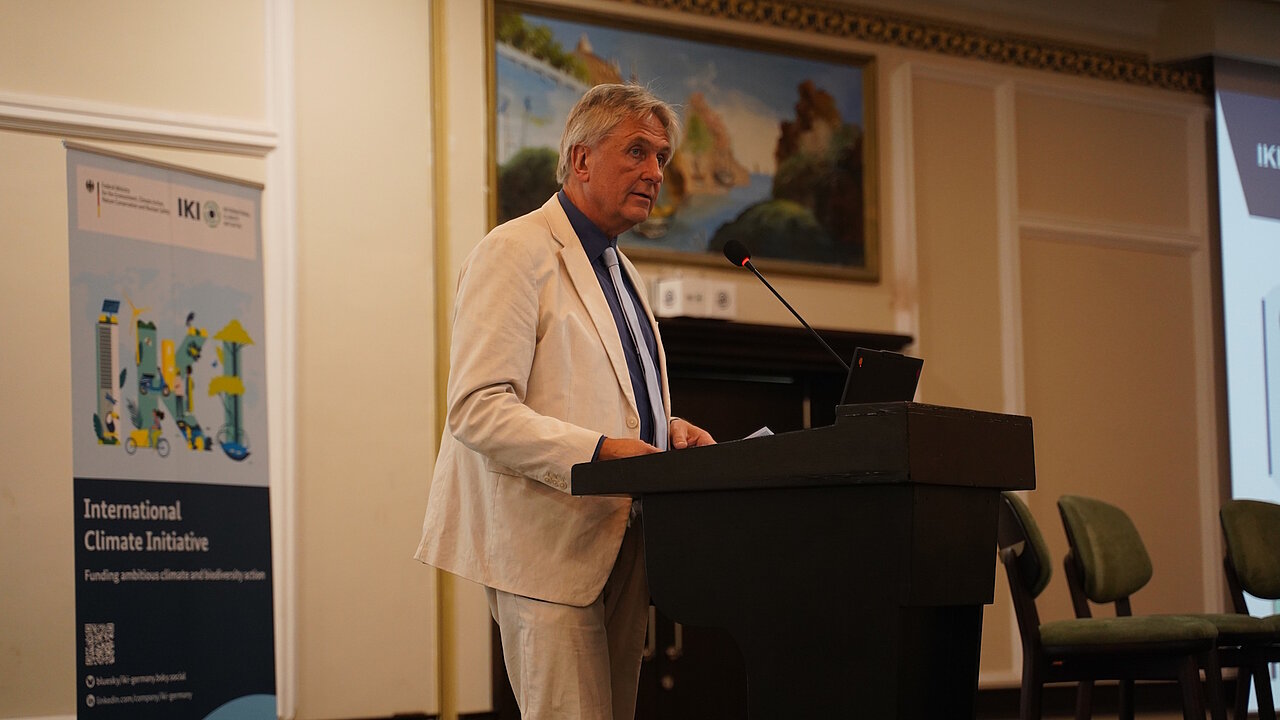
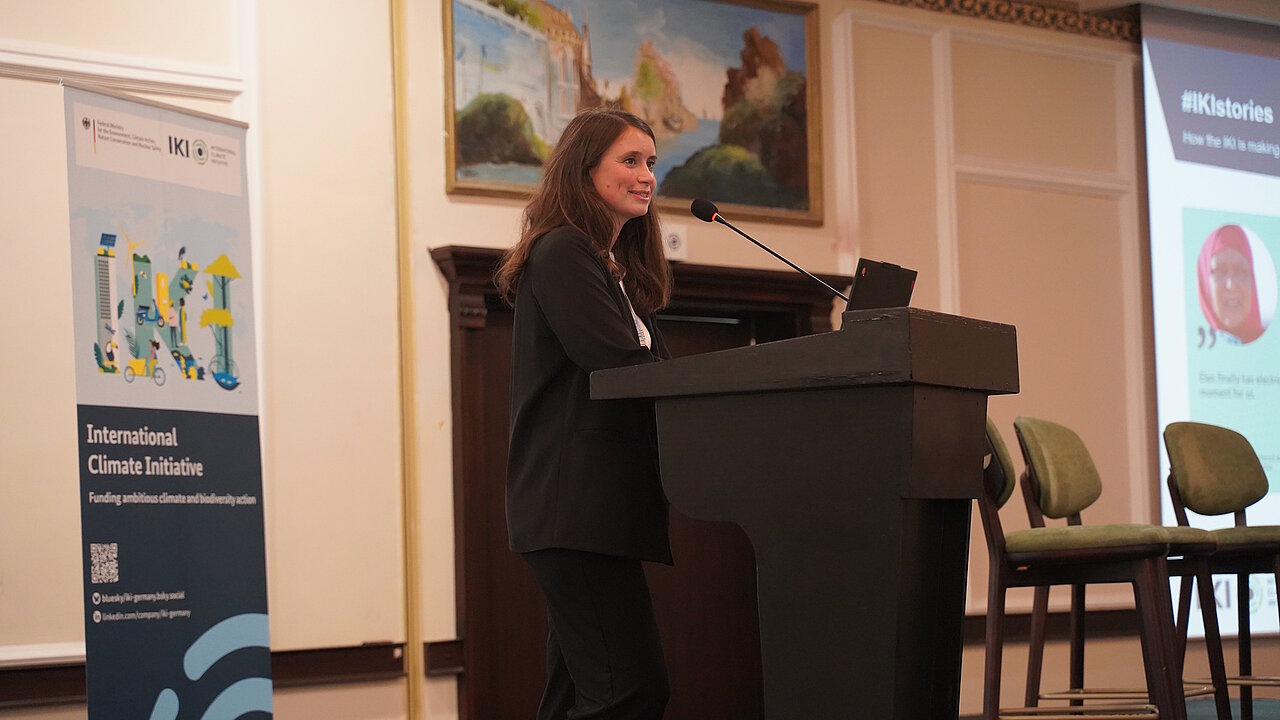
Andreas Kübler, Head of the International Climate Initiative Division at the Federal Ministry for the Environment, Climate Action, Nature Conservation and Nuclear Safety (BMUKN), began by providing insights into current developments and the programme's key priorities. These include strengthening the links between climate change mitigation, adaptation to the impacts of climate change and biodiversity conservation; supporting partner countries in implementing their climate targets; closer cooperation with the private sector; and establishing institutional frameworks that are sustainable in the long term. With budgets likely to decline, making the most of synergies and maximising the impact of available funding will become even more important.
The major climate and environmental crises cannot be addressed in isolation. We need to take a more integrated approach to climate change mitigation, adaptation and biodiversity, and tailor our support in a way that enables long-term change. Germany’s International Climate Initiative will continue to be a reliable partner for its partner countries.
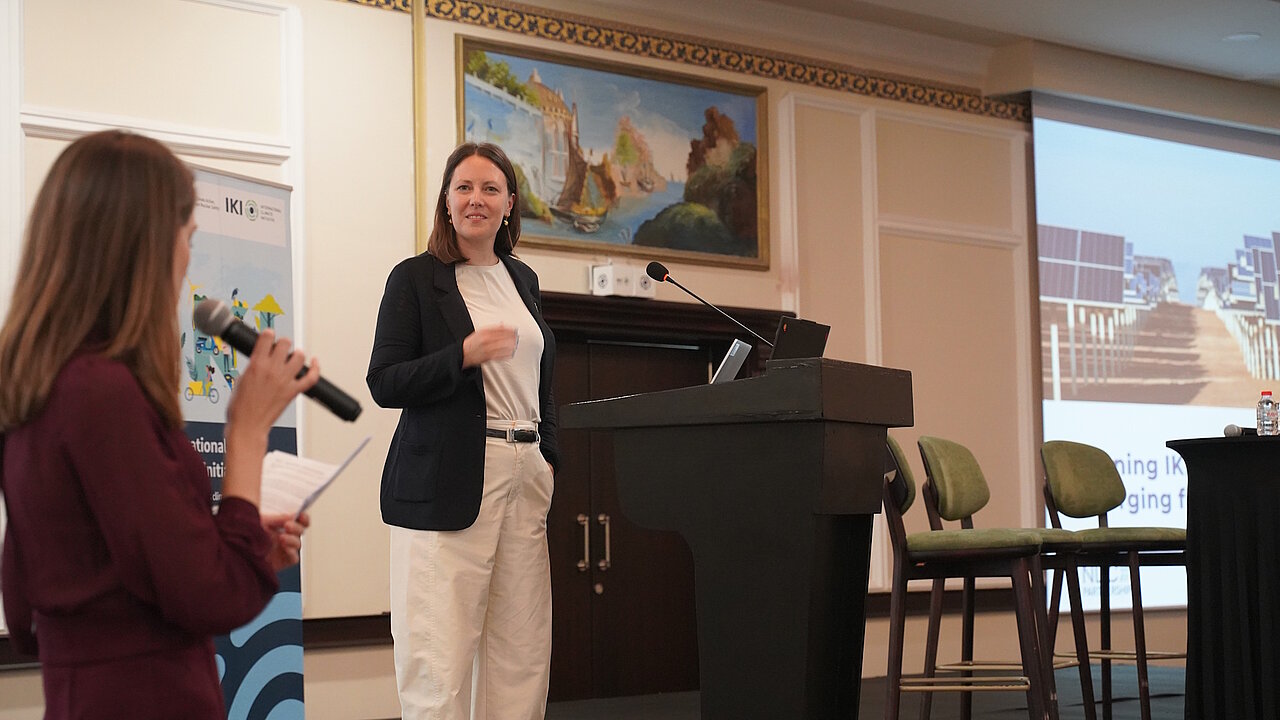
Anne Vanselow, Head of the Climate Diplomacy Division at the Federal Foreign Office, added the perspective of Germany's international climate diplomacy.
Climate action, geo-economics and resilience have probably never been as closely interconnected as they are today. As the Federal Foreign Office, we are therefore proud to remain part of Germany’s International Climate Initiative and to work together with our partners on innovative solutions at the intersection of these areas.
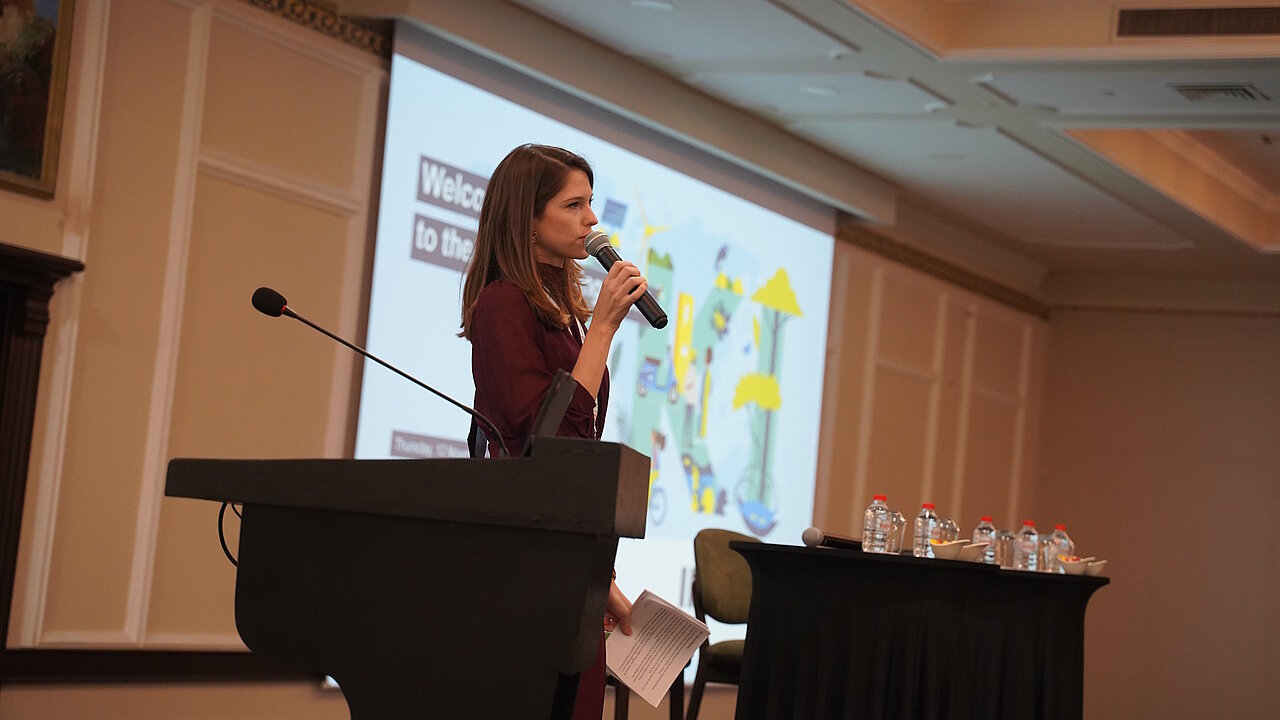
Amanda McKee demonstrated how international climate targets can be translated into concrete action by presenting the work of the NDC Partnership, a global partnership supported by the IKI to implement the Paris Agreement. The partnership helps countries develop and implement their nationally determined contributions (NDCs). To date, 109 countries have requested support, and 86 per cent of these requests have already received support.
Countries are increasingly looking for support that goes beyond developing climate strategies and targets. Their requests reflect a growing need for practical implementation support, access to finance and investment planning. We also see rising demand for adaptation support, highlighting the importance of ensuring that countries have the resources and capacities to respond to climate impacts.
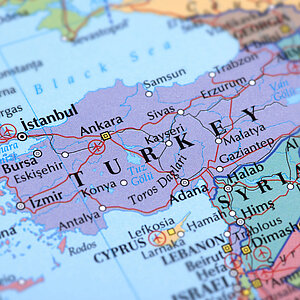
One concrete example of this approach is the IKI's support for Türkiye in revising its “National Climate Change Mitigation and Adaptation Strategies and Action Plans for 2026–2035”. Through the IKI Policy Interface Project, public institutions, the private sector, academia and civil society are also involved in the process. The aim is to translate national climate targets into concrete sectoral measures and strengthen the links between climate change mitigation and adaptation.
Other IKI projects also demonstrate how climate action can improve local living conditions while creating economic opportunities. Examples include solar energy and improved water supply in Kenya, electric mobility and new employment opportunities in Nepal, and the use of crab shells to produce sustainable biomaterials in the Philippines.
The discussions at the IKI Networking Event highlighted a key message: effective international cooperation depends on exchange, strong partnerships, integrated approaches and the practical experience of those implementing climate action on the ground. Particularly in the context of COP31, the IKI network provides an important platform for strengthening these connections and advancing effective climate action together.
Insights into the IKI Networking Event

The link has been copied to the clipboard
Contact
IKI Office
Zukunft – Umwelt – Gesellschaft (ZUG) gGmbH
Stresemannstraße 69-71
10963 Berlin
Please submit written enquiries via the contact form.