
Global Plan for the Conservation of Wetlands
15th Meeting of the Conference of the Parties to the Ramsar Convention agrees on joint steps for global wetland protection until 2034.
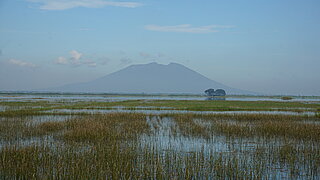
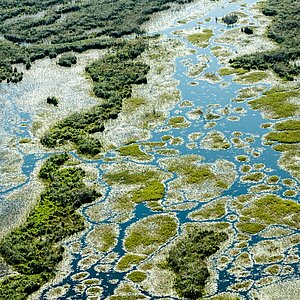
On 31 July 2025, the 15th Conference of the Parties to the International Convention on Wetlands (Ramsar Convention) concluded in Victoria Falls, Zimbabwe. The key outcome of the conference: a joint plan outlining how to protect, restore and sustainably use the world’s most threatened ecosystem over the next nine years. Wetlands include bogs, springs, lakes, swamps and coastal areas across the globe.
At the opening of the conference, the ministers of the participating parties adopted the “Victoria Falls Declaration”. A central element of the declaration is the shared objective of mobilising both public and private financial resources for the protection of these vital ecosystems. In the run-up to the conference, the updated report “Global Wetland Outlook 2025” was published, which particularly highlights the economic consequences of wetland loss.
According to the report, around a quarter of the world’s wetlands have been lost since 1970. Wetlands currently cover about 6% of the Earth’s surface. Through their contributions to drinking water supply, flood protection, food security and carbon storage, they account for more than 7.5% of global GDP.
Press release from the German Federal Environment Ministry (in German)
International Climate Initiative (IKI) supports the conservation of wetlands
For many years, the IKI has been supporting the implementation of Ramsar Convention goals through a wide range of global projects. Wetlands are not only protected as habitats, but also strengthened as key nature-based solutions for climate adaptation and carbon storage.
The main focus areas of this year’s Ramsar Conference are also reflected in the IKI projects:
- Reversing global wetland loss and promoting sustainable use
- Restoration of degraded wetlands in support of the Global Biodiversity Framework and the UN Decade on Ecosystem Restoration
- Enhancing international cooperation and integrating indigenous knowledge and local communities
- Strengthening the role of wetlands as nature-based solutions for climate mitigation and adaptation
Project examples
Wise use of Caribbean wetlands for climate change mitigation and conservation of their ecosystem services
In eight Caribbean island states, this project supports climate-resilient use of Ramsar sites, promotes integrated coastal zone planning, and establishes participatory management approaches for mangroves, lagoons and other coastal wetlands.
Living Lakes - strategies to protect the biodiversity of aquatic ecosystems
In ten countries across Africa, Asia and South America, this project combines conservation of lakes and wetlands with restoration, sustainable use and governance strengthening – in close cooperation with local communities and authorities
The Global Peatlands Initiative: Assessing, Measuring and Preserving Peat Carbon
This global project promotes the protection, restoration and sustainable use of peatlands worldwide. It supports policy development, monitoring and international cooperation for these carbon-rich ecosystems.
Securing crucial biodiversity, carbon and water stores in the Congo Basin Peatlands
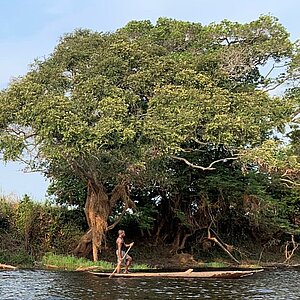
The Congo Basin contains one of the world’s largest tropical peatland areas. This project contributes to better knowledge, participatory planning and long-term protection of these significant wetlands in the region.
Background
The Ramsar Convention on Wetlands is the oldest international environmental agreement dedicated to the conservation and sustainable use of natural resources.
The 172 contracting parties meet every three years to exchange on progress in the protection, restoration and sustainable use of wetlands.
The link has been copied to the clipboard
Contact
IKI Office
Zukunft – Umwelt – Gesellschaft (ZUG) gGmbH
Stresemannstraße 69-71
10963 Berlin
Global Wetland Outlook
The report presents the latest data on the extent of wetlands, trends in their degradation, the value of their ecosystem services, and the scale of action and investment required to meet global restoration and conservation targets.


![[Translate to English:]](/fileadmin/_processed_/9/7/csm_20250515_peatlands_e081be19ff.jpg)