
Local projects, global impact: How Germany promotes biodiversity
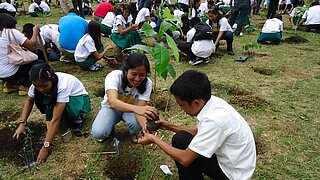
On the International Day for Biological Diversity we present projects from our IKI Small Grants Programme (ISG) that promote the protection of biodiversity.
Biodiversity is not an abstract concept – it shapes our daily lives. It keeps our soils fertile, our water clean, and our food systems functioning. From wetlands and forests to rivers and urban green spaces, healthy ecosystems are essential for our well-being, our economies, and our future.
As the global community prepares to review progress at the upcoming United Nations Biodiversity Conference in Armenia, local initiatives send a clear message: global biodiversity commitments only matter if they include local action – and that implementation is already underway.
Effective support for local initiatives worldwide
This year’s International Day of Biological Diversity is under the motto “Act locally for global impact”. Discover the range of local biodiversity projects supported by the International Climate Initiative (IKI) Small Grants Programme across various regions and ecosystems:
Inspiring youth to protect biodiversity
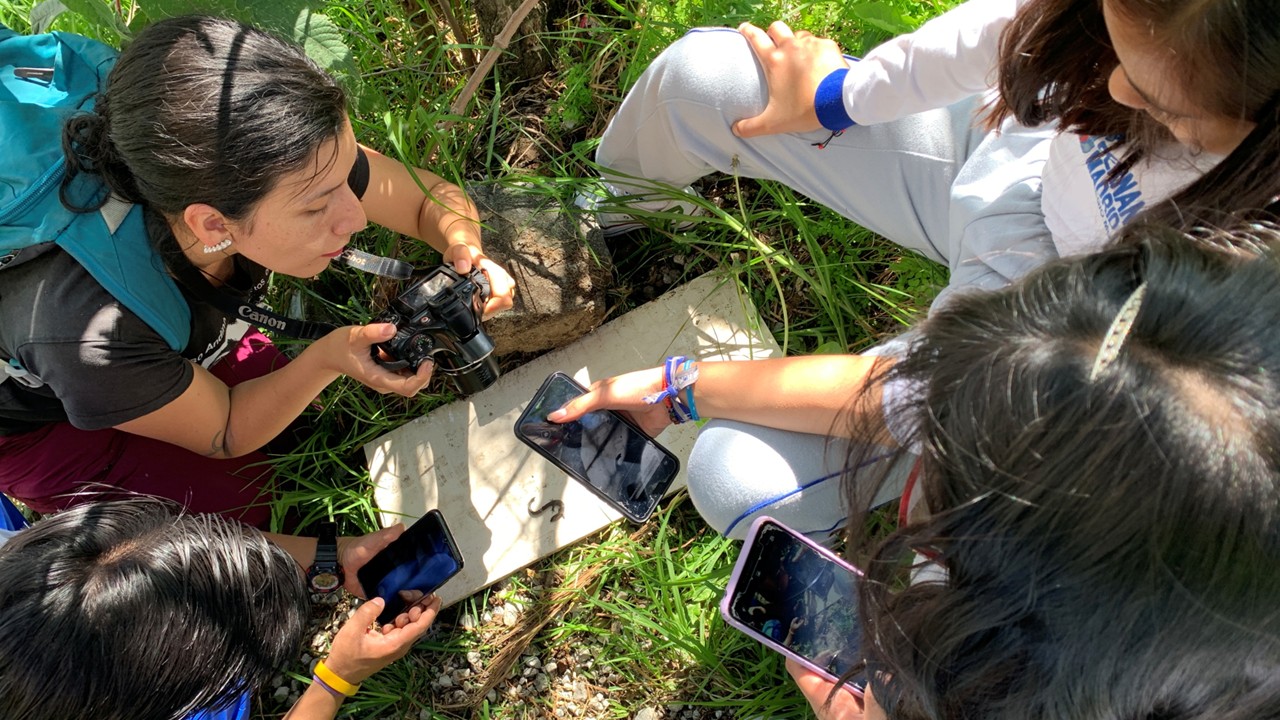
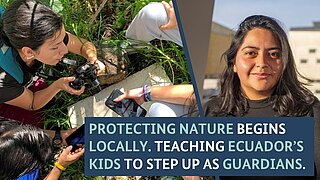
In Ecuador, the ISG project “Education for Sustainable Development in schools” engaged young people to advance nature conservation and systemic change. The team invited students to explore the biodiversity in their immediate surroundings – for many it was the first time.
The youths documented spiders, birds and insects. What began as curiosity quickly turned into awareness and action. Participating schools established ecological gardens and composting systems, and installed solar panels to provide renewable electricity for school operations. In some schools, new rainwater‑harvesting systems now ensure sustainable resource use. One school added a greenhouse to improve school nutrition – directly linking environmental action with everyday well-being.
The initiative reached 13 schools, including one inclusive school, and engaged more than 8,000 students, teachers and community members.
Restoring wetlands in Zimbabwe
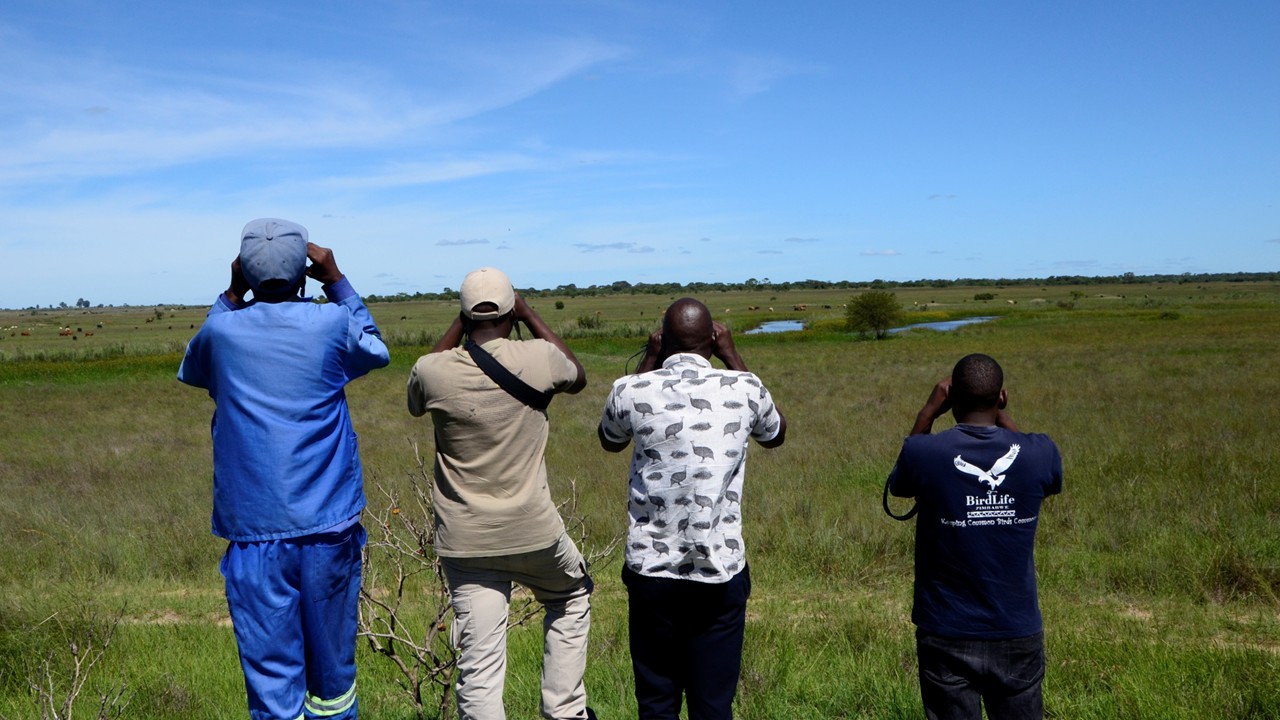
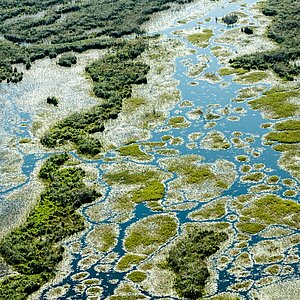
In Central Zimbabwe, Driefontein Grassland stands out as a lifeline for both people and nature. Recognised under the Ramsar Convention as a 'Wetland of International Importance', it is a critical watershed and biodiversity hotspot. However, population growth, erratic rainfall, agricultural encroachment and overgrazing are putting this fragile ecosystem at risk.
The ISG project “Enhancing biodiversity and restoring bird populations in Driefontein’s wetlands” works hand in hand with local communities to reverse this trend. Together with 60 households, the initiative promotes sustainable farming and grazing practices that protect the wetland while strengthening local livelihoods.
By combining habitat restoration with community stewardship, the project safeguards water resources and enhances ecosystem resilience. This ensures the long-term protection of biodiversity and the local population's livelihoods.
Hands-on forest conservation in the Philippines
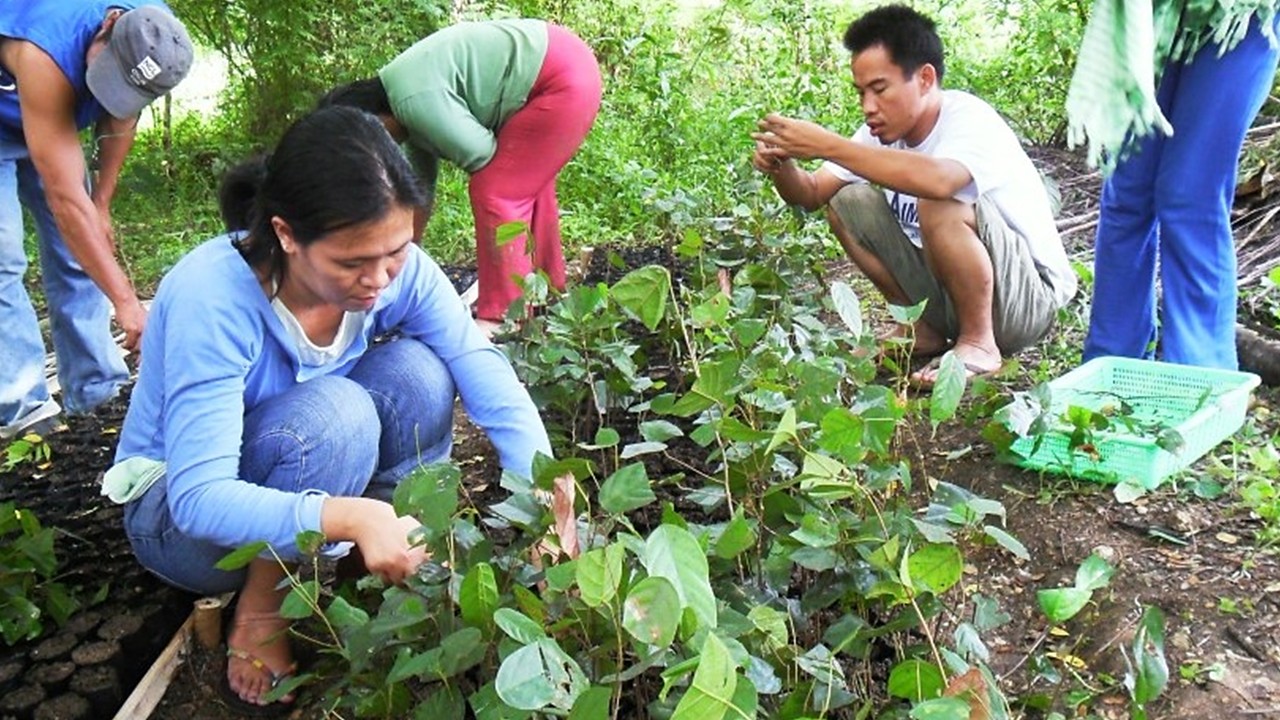
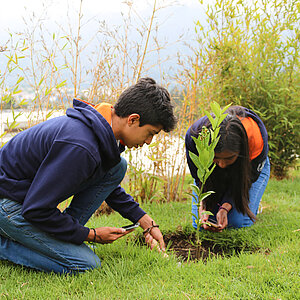
On Cebu Island in the Philippines, the ISG project “Youth hands-on biodiversity conservation and management” brings biodiversity protection into the classroom. Students and teachers map local species, monitor biodiversity, and actively protect their surrounding ecosystems. Tree nurseries and small greenhouses make conservation tangible.
Working with the Department of Education, the model is now being integrated into the school system – paving the way for replication across the island and beyond.
Women leading marine conservation in Tanzania
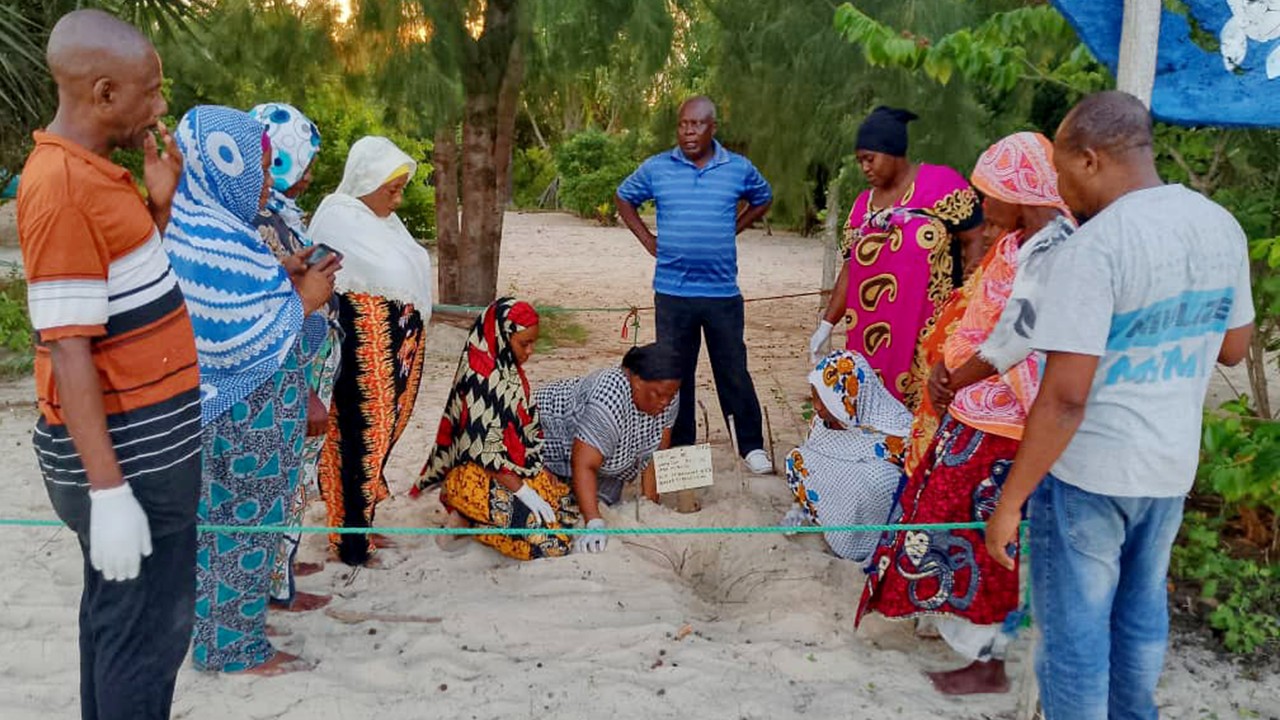
Along Tanzania’s coast, rich marine ecosystems are under pressure from destructive fishing practices. The ISG project „Empowering female fish workers for participatory coastal management in Tanzania“ helped coastal communities to take a leading role in marine conservation. At its core were 160 women fish workers.
What was once policy is now practice: women are actively shaping local governance and conservation efforts: Through training, mentoring and hands-on engagement, they develop local action plans, monitor marine wildlife and work with community leaders.
The project links biodiversity protection with the livelihoods of people and strengthens valuable ecosystems such as mangroves, seagrass meadows and coral reefs in the long term. At the same time the project builds knowledge and skills among the local population so that they can engage in biodiversity frameworks at local, national and international levels – ensuring lasting impact beyond the project.
About IKI Small Grants
IKI Small Grants is strengthening local solutions for effective climate and biodiversity action. The programme is part of the International Climate Initiative (IKI), commissioned by the Federal Ministry for the Environment, Climate Action, Nature Conservation and Nuclear Safety (BMUKN). IKI Small Grants fosters bottom-up solutions while strengthening capacities of local actors. It is run by Deutsche Gesellschaft für Internationale Zusammenarbeit (GIZ) GmbH.
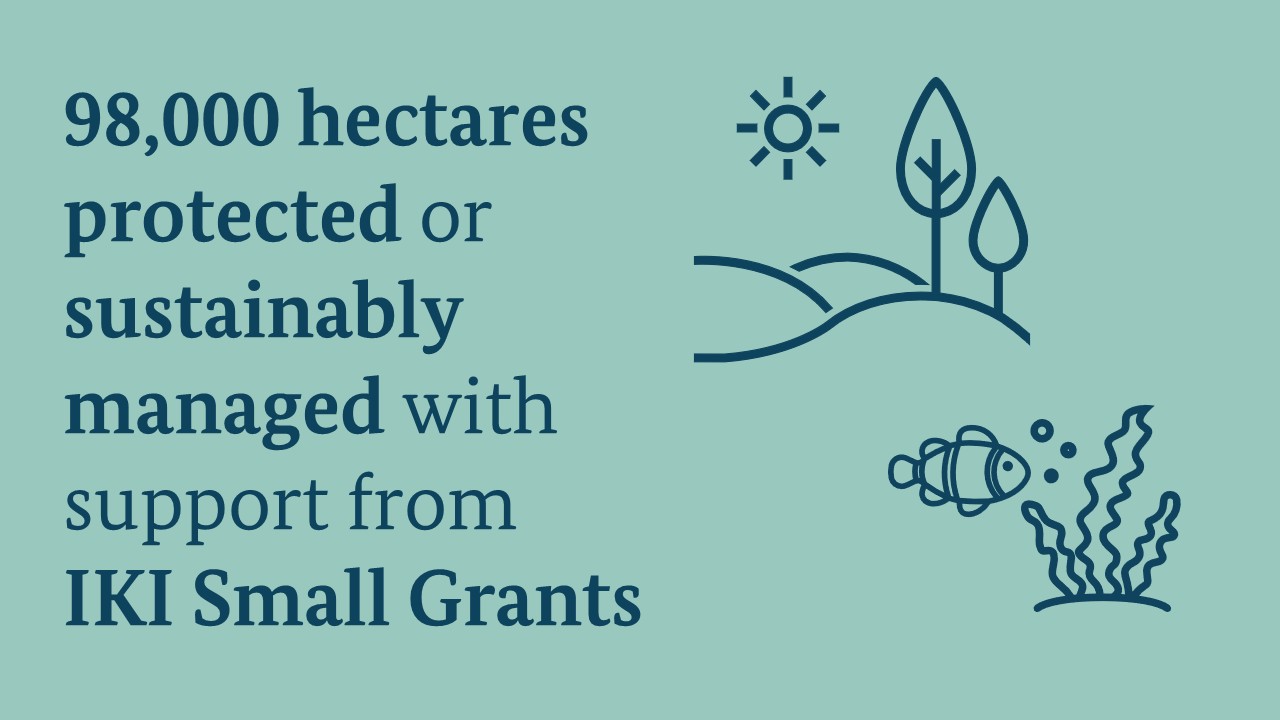
Across diverse ecosystems the programme strengthens participation, promotes gender equality, and empowers youth, Indigenous Peoples and local communities for sustainable impacts. More than 40 initiatives specifically focus on biodiversity. Between 2019 and 2025, IKI Small Grants projects have contributed to the effective protection or sustainble management of around 98,000 hectares – an area roughly equivalent to 170,000 football fields.
The link has been copied to the clipboard
Contact
IKI Office
Zukunft – Umwelt – Gesellschaft (ZUG) gGmbH
Stresemannstraße 69-71
10963 Berlin