New roots, more milk: Kenya’s journey into a climate-resilient future
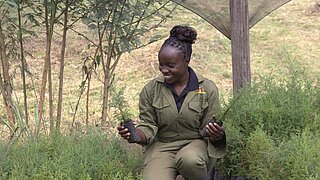
In a nursery along the Nakuru–Eldoret highway, Verna Violet Angehi does more than keep seedlings alive. She is putting a tree that has grown in this soil for centuries back to work – and it is helping dairy farmers in one of Kenya's driest regions get through the lean months.
Verna Violet Angehi is kneeling in the dirt, two conifers’ seedlings in her hands, checking the roots before she puts them aside. She is getting a batch ready for a pickup later this afternoon. Everything needs to be ready by then.
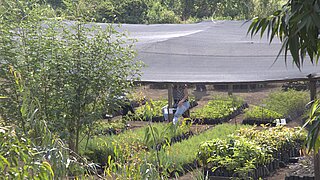
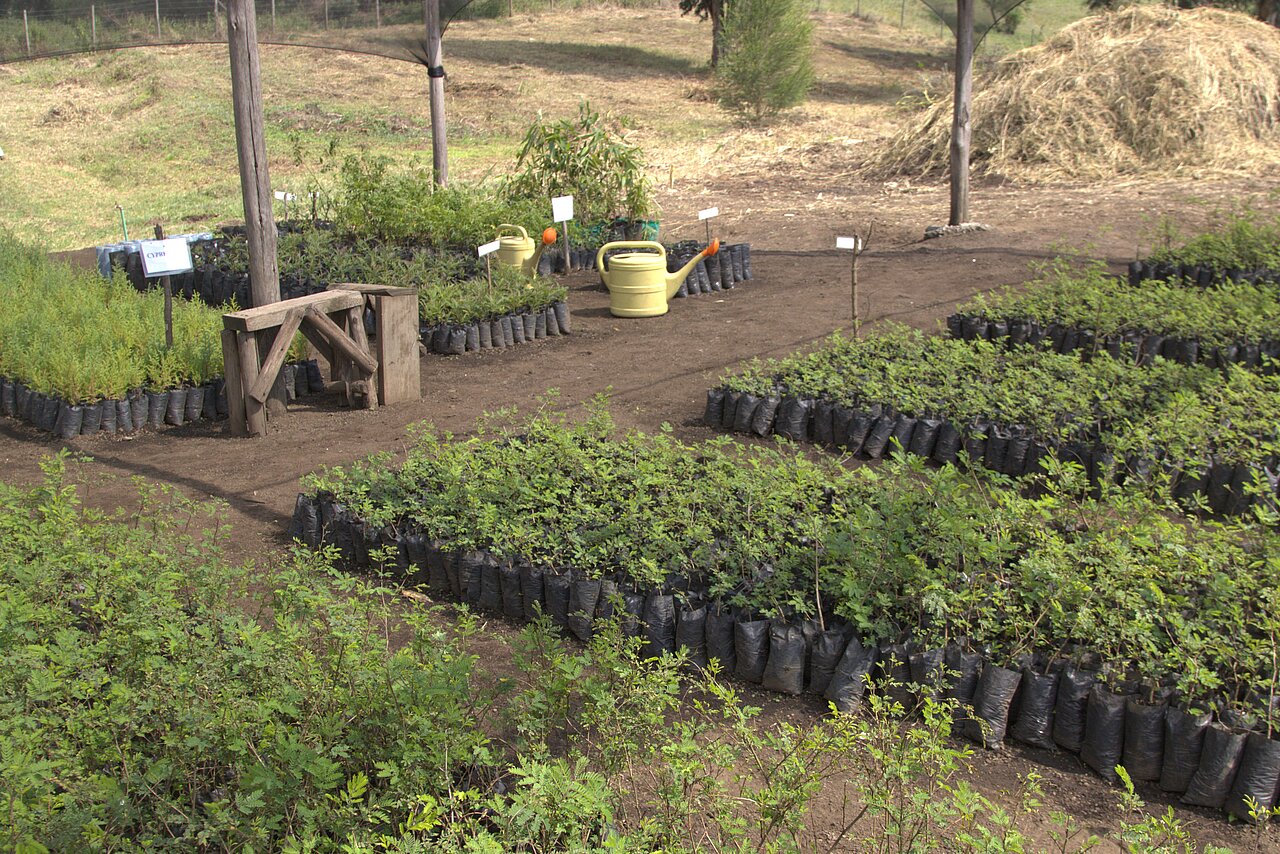
The nursery behind her is full – rows of pots stretching along the Nakuru–Eldoret highway in the southwest of Kenya, more than 10,000 seedlings in stock at any given time, dozens of species from avocado, cypress and Kenya’s famous baobab tree to fodder trees for the region's dairy farmers. It is part of the Nurseries for Youth Development Project (NYDP).
Through this project, Germany is supporting Kenya’s path towards a climate-resilient future.
New jobs and new knowledge

With this project Germany is supporting Kenya’s journey into a climate-resilient future. Implemented by the Kenya National Farmers Federation (KENAFF) together with the Andreas Hermes Akademie, it is funded by the German International Climate Initiative (IKI). It’s goal: giving young Kenyans new jobs and new knowledge about the trees of their own land.
When Verna started to work in nurseries, her job was mostly about keeping seedlings alive and selling them. After two years in the NYDP, it has become something else too: explaining people which trees help her neighbours' farms — and their cows — get through a harder climate.

I never thought I'd end up telling people which tree gives their cows more milk.
When pastures grow thinner
Across large parts of Kenya, the climate is visibly shifting: the rains no longer come when they used to. Dry spells longer. Pastures that once sustained a dairy herd through the year are thinner, patchier. For smallholder farmers that means less fodder, less milk, less income.
For decades, Kenyan nurseries have mostly grown a handful of fast-selling species, often imported, often poorly suited to the local climate. The trees that are actually adapted to these conditions had largely fallen out of use, and the knowledge of how to grow them had not been passed on. And the customer didn’t know their advantages. This is precisely where NYDP comes in.
were produced in the nurseries run by the NYPD project in Kenya. 50 per cent of these are native species.
A new way of looking at old trees
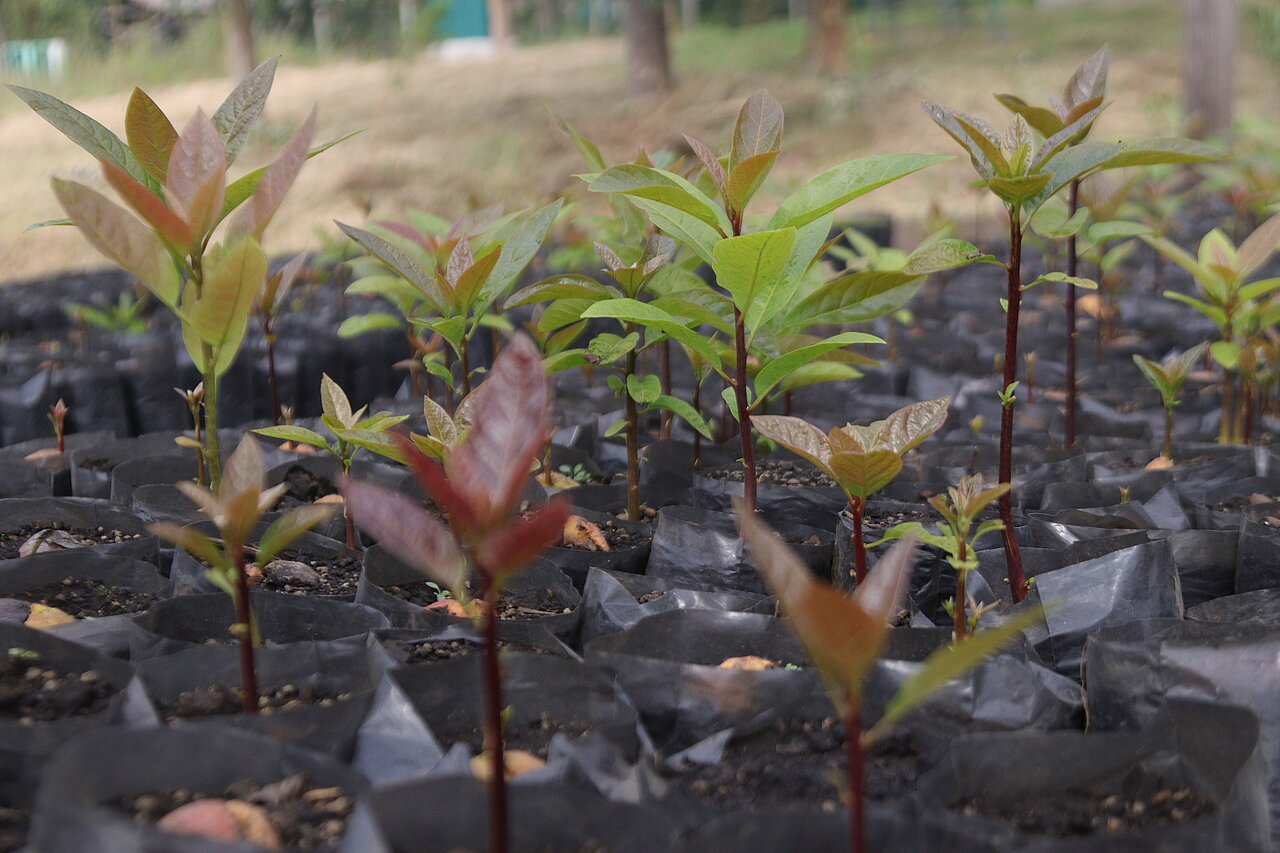
When Verna joined the nursery, she was not new to indigenous species. A diploma in Environmental Science and Technology from Eldoret National Polytechnic, together with practical attachments at the Kenya Forest Service and the Uasin Gishu County Department of Environment, had already given her solid knowledge of both indigenous and fast-maturing species and their propagation. At NYDP she put that knowledge to work, deepening her hands-on experience with indigenous seed propagation and learning facets of the field her earlier training had never touched.
It was a course in November 2024, run by the Center for International Forestry Research and World Agroforestry (CIFOR-ICRAF) as part of the project's capacity-building programme, that changed how she saw her work. Alongside tree species, agrobiodiversity, soil health and sustainable management practices, Verna learned about the benefits of the apple-ring acacia (Faidherbia albida) – knowledge that would shape her work in the nursery going forward.
When local trees are the solution
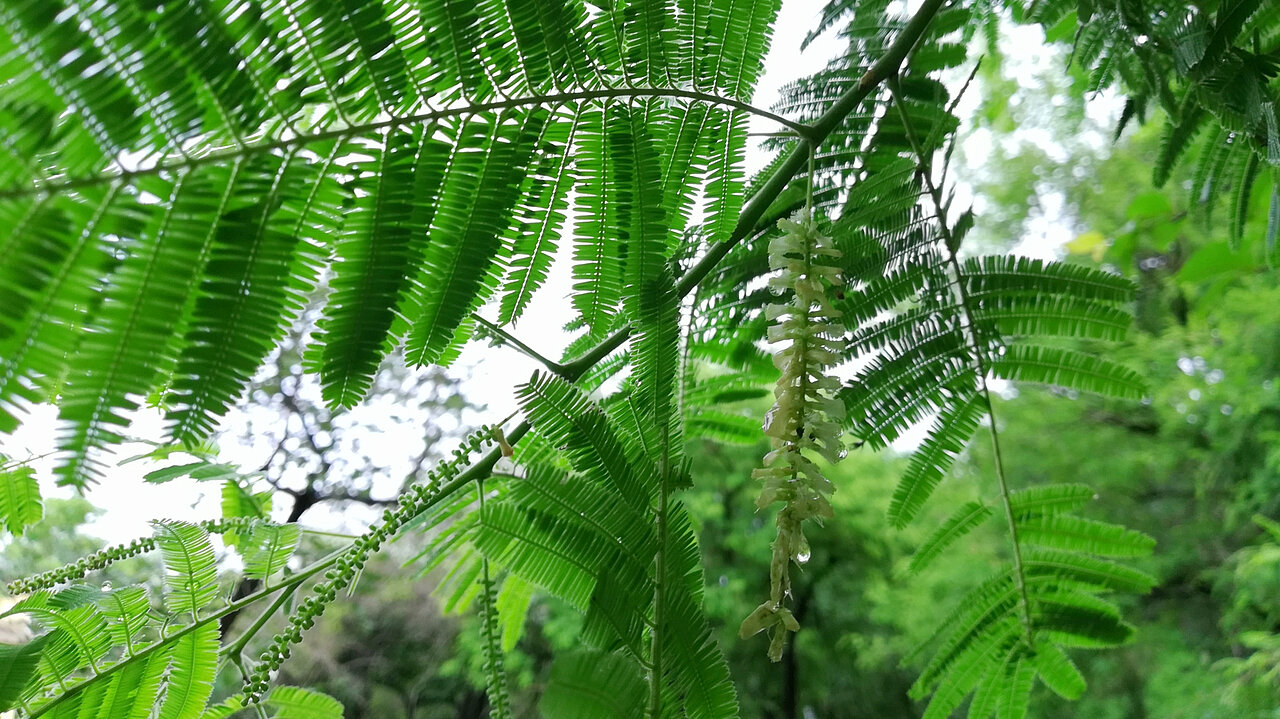
It is one of Kenya's oldest and most common indigenous trees. What makes it valuable for dairy farmers is simple: the the apple-ring acacia drops its leaves during the rainy season and holds on to them through the dry month. In the very weeks when the pasture is at its poorest, the acacia offers its foliage as fresh, protein-rich fodder. For a farmer whose herd is losing weight, that can be the difference between a lean dry season and a good one.
Native tree species can make the difference in helping livestock farmers get through the dry season.
A nursery people come back to
Verna's nursery has built a reputation for more than just seedlings. It has built a loyal customer base through organic production methods including biodegradable potting bags, competitive pricing, and consistent after-sales support. The kind that brings farmers back rather than just once.
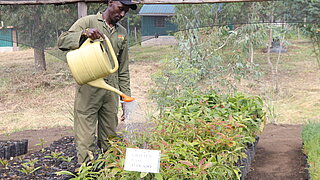
The nursery also runs regular group meetings for local cooperatives, like the Tulwobmoi dairy cooperative society. During these events Verna introduces what the nursery offers and, more importantly, explains why certain trees work.
received training in the areas of nursery management, grafting, integrated plant protection and pest control, business development and agrobiodiversity as part of the NYPD project.
Knowledge that travels further
As Verna tells it, a woman in one of the meetings listened closely and bought a few seedlings afterwards. Months later, she came back to the nursery — this time to buy more. Her cows, she told Verna, were now giving noticeably more milk since she had started supplementing their feed with the trees' foliage.
She was really grateful to have met with me because it was in the meeting that she learned so much more about fodder trees in general and the apple-ring acacia specifically.

For Verna, that moment showed her what her work can actually achieve: not just selling seedlings but passing on knowledge that benefits families directly — while also contributing to restoring Kenya's tree diversity.
More than planting trees
Five youth-led nurseries are now in active production across Kenya. The NYDP has trained 22 nursery managers and staff, and more than half of the management positions are held by women.
It is also working with Kenya's Agricultural and Livestock Research Organisation (KALRO) to bring fodder trees to more farming communities. A development that should make stories like Verna's and her customer's more common in the future.
The everyday work raises awareness for local trees that suite best to Kenya's farms and climate.
In Nakuru, Verna is waiting for her customer to collect his conifers. The nursery is a place where both come together for her: the practical everyday work and a growing awareness that the trees best suited to Kenya's farms and climate aren't always the ones the market expects. It just took someone willing to pass the knowledge on.
The link has been copied to the clipboard
Contact
IKI Office
Zukunft – Umwelt – Gesellschaft (ZUG) gGmbH
Stresemannstraße 69-71
10963 Berlin
Please submit written enquiries via the contact form.