

CBD COP17
The International Climate Initiative (IKI) at the CBD COP17 in Yerevan, Armenia (19 to 30 October 2026)
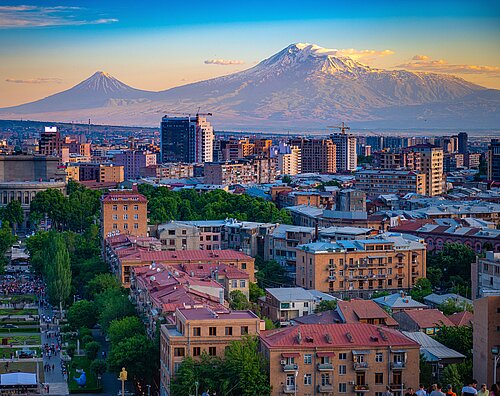
The 17th Conference of the Parties to the Convention on Biological Diversity (CBD COP17) is a decisive moment in the global effort to implement the ambitious targets of the Kunming-Montreal Global Biodiversity Framework and to address the biodiversity crisis.
The Convention on Biological Diversity (CBD) is the world’s most far-reaching binding international agreement on conservation. 196 countries have signed it, committing to protect biological diversity and use natural resources in a way that keeps them available for future generations. The Conference of the Parties (COP) to the CBD is the highest-level political decision-making committee for the Convention and is typically held every two years.
Links

Important initiatives with IKI participation
What CBD COP17 is about
The CBD COP17 focuses on implementing the Kunming-Montreal Global Biodiversity Framework (GBF) – the international roadmap for biodiversity conservation to 2030. For the first time, the collective implementation status of the GBF will be evaluated: The Global Report resulting from this progress assessment (Global Review), which will be published at CBD COP17, outlines where the global community stands and where adjustments need to be made. To this end, the implementation of National Biodiversity Strategies and Action Plans (NBSAPs), submitted national reports, and other relevant reports and sources have been systematically examined: What specific decisions have countries made, and are they actually implementing them? And what contributions are non-state actors making to the implementation of the GBF?
CBD COP17 is therefore the first major stocktaking: Is the global community on a course that makes the 2030 targets realistically achievable?
The initial draft of the Global Report concludes that the global community has taken unprecedented measures, but without further efforts, it will miss the 2030 targets. The report identifies the reasons as: insufficient ambition, too slow implementation, and inadequate funding.
The natural world protects us – if we protect nature.
At the center of the negotiations at CBD COP17 is the agreement on the so-called "Yerevan Pathway"—a program of concrete steps to accelerate implementation. These include measures in five areas: higher ambition and faster implementation, better access to and availability of implementation funds, stronger coordination within governments, closer involvement of civil society, and improved monitoring and reporting.
Alongside this main track, there are other topics on the 30-item agenda. These include strengthening synergies—both between the Rio Conventions and between climate and biological diversity—and operationalising the new subsidiary body on indigenous peoples and local communities (IPLCs). The latter also includes strengthening their full and effective participation in the CBD. Both topics also played a central role at the last conference in 2024 in Colombia.

The natural world protects us – if we protect nature. We need insects to pollinate our crops, soil to grow our food and floodplains to retain flood water. That is why the focus in Yerevan will be the natural foundations of life on Earth. The international community has pledged to halt biodiversity loss by 2030 and to take steps to allow nature to recover. Now we must demonstrate that this pledge can become reality. The international community has made progress, on designating protected areas and restoring ecosystems, to give two examples. But we’re still a long way from where we need to be. We now need to pick up the pace if we are to achieve our common goals.
How Germany contributes: IKI projects worldwide
Germany wants to actively advance the implementation of the GBF at COP17: The Federal Government is participating in the international negotiations and supporting other countries to meet their obligations. An important instrument for this is the International Climate Initiative (IKI). Through it, Germany funds projects around the globe that worldwide that strengthen the conservation of biodiversity in its partner countries while accelerating GBF implementation and supporting efforts to achieve global climate targets.
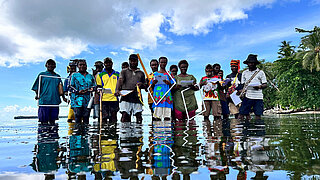
Working together on biodiversity conservation and climate action
Climate and biodiversity are inextricably linked. Climate change threatens biological diversity in many ways: heat waves, droughts, and heavy rainfall alter habitats, shift distribution ranges, and push species to the brink of extinction. At the same time, the loss of biological diversity makes ecosystems more vulnerable to the impacts of climate change—intact forests break the force of storms, peatlands hold back floods, and mangroves protect coasts from storm surges. The more these ecosystems are weakened, the less protection they offer.
The IKI funds projects that tackle the problem on multiple fronts: they conserve biological diversity, help ecosystems adapt to climate change, and contribute to mitigating greenhouse gas emissions. This includes, among other things, the restoration of landscapes that simultaneously sequester carbon and provide habitat for endangered species—such as wetlands, including peatlands that are being rewetted, or forests that are being reforested. Likewise, the IKI supports sustainable land use that combines the conservation of biological diversity and the mitigation of greenhouse gas emissions within a single project.
A central tool for this are the so-called Nature-based Solutions (NbS): measures that use the power of nature to address climate change and biodiversity loss simultaneously. Specifically, the United Nations Environment Assembly (UNEA) describes them in its Resolution 5.2 as actions to protect, conserve, restore, sustainably use and manage natural or modified ecosystems, which address societal, economic, and environmental challenges effectively and adaptively, while simultaneously providing human well-being and biodiversity benefits.
Depending on which goal is in the foreground, two main directions are distinguished. If the focus is on adapting to the impacts of climate change, it is referred to as "NbS for Adaptation," or Ecosystem-based Adaptation (EbA). An example: the protection and reforestation of mangrove forests on coasts threatened by storm surges and storms. If the focus is on mitigating greenhouse gases, it is called "NbS for climate change mitigation." An example: the restoration of forests or the rewetting of wetlands, including peatlands, to store carbon permanently.
Selected IKI project
- Climate Resilience for Critical Sites for Migratory Birds and People along the East Atlantic Flyway
- Wise use of Caribbean wetlands for climate change mitigation and conservation of their ecosystem services
- Living Lakes - Strategies to protect the biodiversity of aquatic ecosystems
- Securing crucial biodiversity, carbon and water stores in the Congo Basin Peatlands by enabling evidence based decision making and good governance.
- Strengthening the blue economy of the Western Indian Ocean
- Kwale - Tanga Coast - Transboundary conservation and sustainable management of coastal and marine biodiversity
- Global Nature-based Solutions Navigator
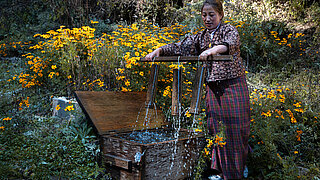
It is precisely this link between climate action and biodiversity protection that makes Nature-based Solutions so effective: they contribute to jointly achieving the goals of the GBF and the Paris Climate Agreement—while strengthening sustainable development in the partner countries.
Supporting indigenous peoples and local communities
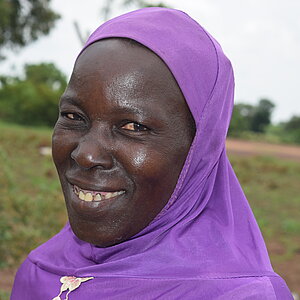
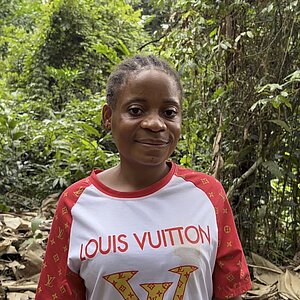
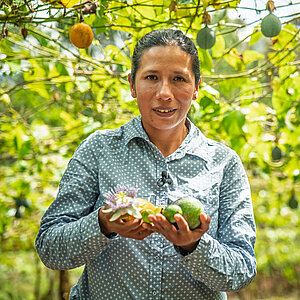
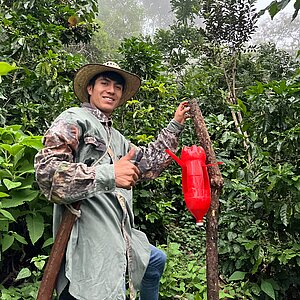
Many indigenous peoples and local communities have preserved their habitats for generations. Their traditional knowledge and the methods they use to protect and manage their territories are increasingly being recognised. Conserving biodiversity and restoring ecosystems will only succeed if IPLCs help shape nature conservation and the sustainable use of biodiversity as equal actors. Following the introduction of the subsidiary body on IPLCs at the last conference, further progress is to be achieved at CBD COP17.
Germany is therefore committed to giving even greater recognition to the contributions of IPLCs to biodiversity conservation, strengthening their effective and full participation in the implementation of the global biodiversity agreement, and ensuring their access to finance as well as the link to the Sustainable Development Goals (SDGs).
The IKI supports IPLCs in their role as key actors in the management of protected areas, among other things. This refers to the so-called ICCAs—territories and areas conserved by indigenous peoples and local communities. These areas make up around 32 percent of the global land area and cover at least 36 percent of the world’s most biologically diverse areas. These areas are often better preserved than comparable areas under state management.
Selected IKI projects
- Transformative pathways: indigenous peoples and local communities leading and scaling up conservation and sustainable use of biodiversity
- Global ICCA Support Initiative 30 x 30
- Living amazonian landscapes: co-management model among indigenous communities for the effective conservation, protection and recovery of amazonian territories
- Strengthening the blue economy of the Western Indian Ocean
Overview: IKI-related events at the CBD COP17
This calendar provides an overview of IKI-related events taking place at CBD COP17. The calendar is constantly updated and does not claim to be exhaustive. The organisers are responsible for the information provided.
-
Tuesday 20 October 2026
Connecting Knowledge and Data to Strengthen National Implementation, Monitoring and Reporting of the Global Biodiversity Framework
Join us at CBD COP-17 on 20 October to see how tools, technical support and peer learning can strengthen national biodiversity monitoring.
-
Tuesday 20 October 2026
30x30 in Action: Connecting Communities to Strengthen Ocean Conservation in the Southeast Pacific through RAMPAS”
Strengthening Southeast Pacific ocean conservation through regional connectivity, community links, and integration of traditional and local knowledge.
10/20/2026 - On site in Yerevan Details 30x30 in Action: Connecting Communities to Strengthen Ocean Conservation in the Southeast Pacific through RAMPAS” -
Tuesday 20 October 2026
Dialogue on the Yerevan Biodiversity Finance Challenge
A strategic discussion on practical pathways to implement KMGBF Targets 18 and 19 through the upcoming Yerevan Biodiversity Finance Challenge.
-
Tuesday 20 October 2026
Enabling Nature-based Solutions for Global Biodiversity Framework action and reporting: Launch of the Global NbS Navigator
From commitments to delivery: Learn how the Global NbS Navigator project will help countries plan, track, finance and report NbS for the GBF
10/20/2026 - online and on site in Yerevan, Armenia Details Enabling Nature-based Solutions for Global Biodiversity Framework action and reporting: Launch of the Global NbS Navigator -
Tuesday 20 October 2026
RAMPAS: Regional Cooperation for Ocean Health: Bridging Science, Policy, and Finance for Effective Conservation.
Regional cooperation can transform global biodiversity commitments into coordinated actions
10/20/2026 - On site in Yerevan Details RAMPAS: Regional Cooperation for Ocean Health: Bridging Science, Policy, and Finance for Effective Conservation.
IKI funding
The link has been copied to the clipboard