
From a negotiation success to implementation on the High Seas
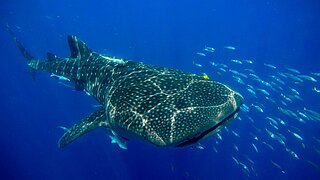
The IKI supports the UN High Seas Treaty through its projects.
After many years of negotiations, the Member States of the United Nations adopted the Agreement under the United Nations Convention on the Law of the Sea on the Conservation and Sustainable Use of Marine Biological Diversity of Areas beyond National Jurisdiction (BBNJ Agreement) on 19 June 2023. Three years ago, the Agreement created the possibility to designate Marine Protected Areas (MPAs) across the High Seas for the first time and thereby strengthens the conservation and sustainable use of biodiversity in areas beyond national jurisdiction (ABNJ).
The protection and sustainable use of the high seas is vital
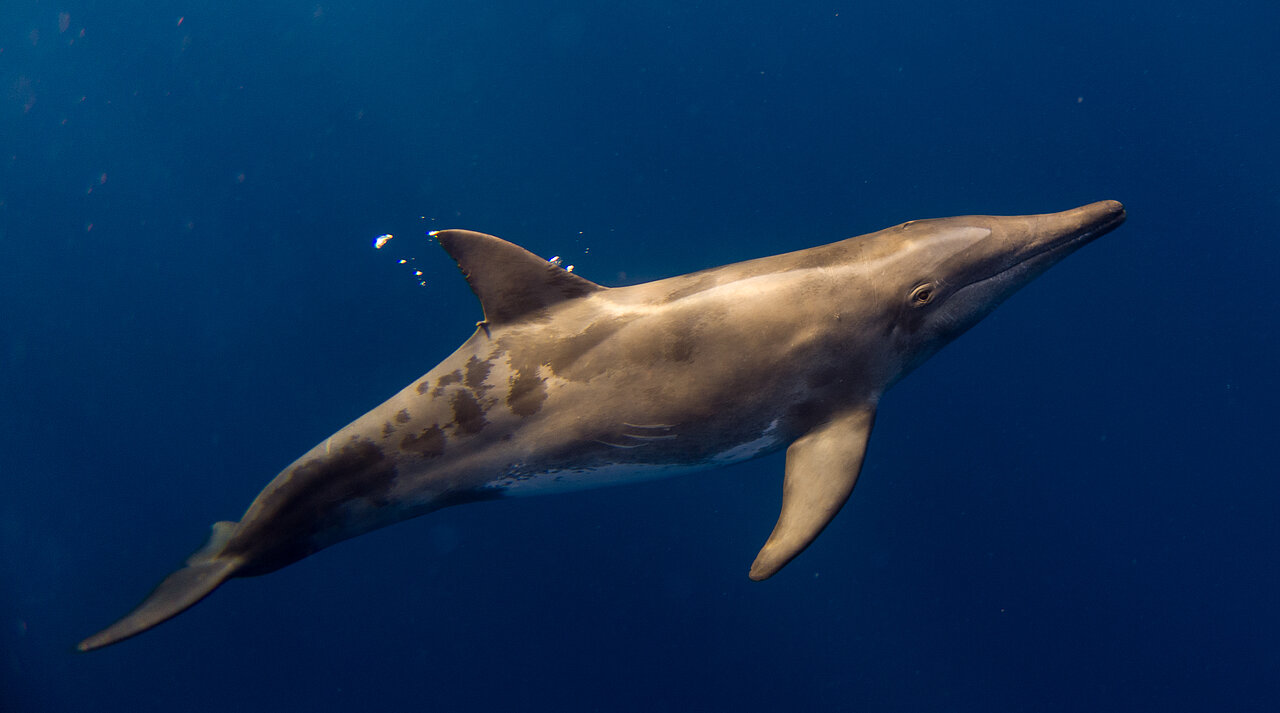
The High Seas cover around half of the Earth’s surface and are home to unique habitats, species and ecosystems. These marine areas play an important role in climate regulation, contribute substantially to global food security and influence key processes in the global ocean. At the same time, these areas are increasingly affected by overexploitation, pollution and the impacts of climate change.
The BBNJ Agreement establishes, for the first time, detailed and commonly agreed environmental rules for the conservation and sustainable use of biodiversity in ABNJ and serves as an implementing agreement under United Nations Convention on the Law of the Sea (UNCLOS). It focuses on four key areas:
- Marine genetic resources and benefit-sharing;
- Area-based management tools, including Marine Protected Areas;
- Environmental impact assessments;
- Capacity-building and the transfer of marine technology.
The Agreement also provides an important basis for achieving the target of the Kunming-Montreal Global Biodiversity Framework (GBF) to effectively conserve at least 30 % of the world’s marine areas by 2030.
International Cooperation is of central importance

In addition to these four key areas, the BBNJ Agreement places strong emphasis on international cooperation. Countries are required to work closely together in implementing the Agreement and to strengthen cooperation with existing international and regional organisations, agreements and bodies. The aim is to better connect the conservation and sustainable use of biodiversity on the High Seas with existing sectoral and regional governance structures, for example in fisheries, shipping and regional seas agreements, and to create synergies.
The Agreement is therefore an important contribution to addressing the triple planetary crisis of climate change, biodiversity loss and pollution. It also supports international goals for the protection and sustainable use of the oceans, in particular Sustainable Development Goal 14 of the 2030 Agenda. Following more than 15 years of negotiations, the Agreement is widely regarded as one of the most significant advances in international ocean governance since the adoption of the United Nations Convention on the Law of the Sea (UNCLOS).
In early 2026, after reaching the required minimum number of ratifications (60 States Parties), the Agreement finally entered into force and an important milestone was achieved. The Parties must now work together to establish the institutional structures under the Agreement and create the conditions necessary for the practical application of its instruments.
With the IKI’s support from regional approaches to implementing the BBNJ Agreement
The International Climate Initiative (IKI) has been supporting processes related to the Agreement for many years. Through the project STRONG High Seas) the IKI supported the development of regional approaches for the conservation and sustainable use of ABNJ from 2017 to 2022. Together with regional partner organisations in the Southeast Atlantic and Southeast Pacific, the project generated scientific evidence, established regional dialogue platforms and developed recommendations for the design of a future international BBNJ instrument. The lessons learned informed international discussions on the future governance of the High Seas.
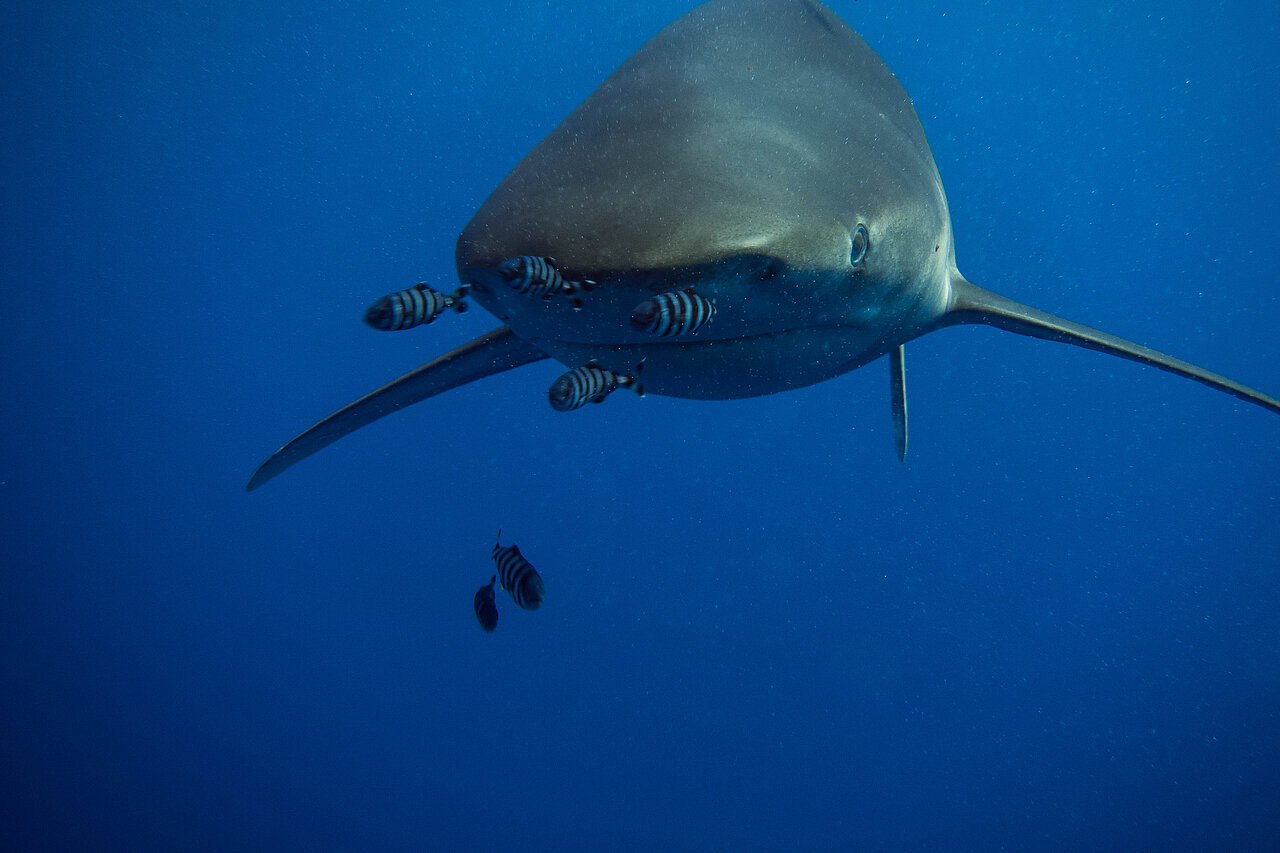
Since 2025 the IKI project Living High Seas: Partnerships for Ocean Biodiversity makes an important contribution to the implementation of the BBNJ Agreement and supports partner countries in actively engaging in this process.
Together with partner countries in the Atlantic, Indian and Pacific Oceans, the project develops science-based proposals for protection and area-based management measures on the High Seas, strengthens capacities and promotes exchange and cooperation among States, regional organisations and international institutions. In doing so, the project also contributes to international cooperation and to the establishment of coherent governance structures for the conservation of biodiversity on the High Seas.
Three years after its adoption, the BBNJ Agreement stands for more than a historic success of multilateralism. With its entry into force and the first steps towards implementation, a new phase of international ocean governance has begun. It offers an important opportunity to conserve the biodiversity of the High Seas for future generations. IKI will continue to actively contribute to achieving this important goal.
The link has been copied to the clipboard
Contact
IKI Office
Zukunft – Umwelt – Gesellschaft (ZUG) gGmbH
Stresemannstraße 69-71
10963 Berlin
![[Translate to English:] Walhai](/legacy/_processed_/d/4/csm_20210608_Walhai_Miguel_Schmitter_0106af1a48.jpg)