
Regional action for enhanced protection of pollinating insects and pollination services in Latin America and the Caribbean (Poli-LAC)
Pollinators are crucial for plant reproduction, food security, and the conservation of ecosystems and their biodiversity. In Latin America, pollinating insect populations are also under severe threat, despite their high importance. Major causes are changing land use patterns, habitat loss, pesticide use, diseases, invasive species and climate change. The project aims to protect natural ecosystems and adapt productive (agricultural) systems to safeguard pollinator ecosystem services and reduce the vulnerability of local communities associated with pollinator declines in Latin America. It contributes to international efforts by strengthening regional knowledge management, promoting policies, and mobilizing resources including private funding. It also implements pollinator-friendly practices in selected landscapes.
- Countries
- Brazil, Costa Rica, Mexico, Paraguay, Peru
- IKI funding
- 20,000,000.00 €
- Duration
- 01/2022 till 10/2029
- Status
- open
- Implementing organisation
- Deutsche Gesellschaft für Internationale Zusammenarbeit (GIZ) GmbH
- Political Partner
-
- Ministry for Agriculture and Rural Development (SADER) - Mexico
- Ministry of Agriculture, Livestock and Food Supply (MAPA) - Brazil
- Ministry of Environment (MINAM) - Peru
- Ministry of Environment and Energy (MINAE) - Costa Rica
- Ministry of Environment and Sustainable Development (MADES) - Paraguay
- Implementing Partner
-
- Forever Costa Rica
- Natural Spaces and Sustainable Development A.C. (ENDESU)
- Peruvian Trust Fund for National Parks and Protected Areas (PROFONANPE)
- The Inter-American Institute for Cooperation in Agriculture (IICA Brazil)
State of implementation/results
- Regional Information
- The regional project workshop (13–17 October, Jalisco, Mexico) brought together representatives from five countries, implementing partners and GIZ, and established the regional steering committee with participation of BMUKN and ministries of participating countries.
- In November 2025, a "training of trainers" workshop with FAO's Regional Office for Latin America strengthened capacities of key trainers on pollinator-friendly practices, drawing experts and decision-makers from six countries.
- The first stage (Tzero) of component 3 was carried out through site assessments and capacity building of the local team with EMBRAPA specialists.
- Pollinator conservation criteria were included in a March 2026 call for proposals funding rural women's projects under the "Productive Backyards" policy.
- A workshop on microorganisms as bio-inputs (October 29–30, Brasilia) and an integration workshop between PANIP and State Environmental Agencies (ICMBio), attended by 34 representatives from 18 entities, were held.
- A Public Policy Guide was created with six strategic lines of action and a Road Map for pollinator protection governance over the next five years.
- Four pollinator gardens were established in collaboration with local schools and community committees.
- Political advisory workshops were held with 25 representatives from academia, institutions and NGOs.
- An Intersectoral Committee for Public Policy on pollinator conservation was pre-established with representatives from ministries, academia, NGOs and the private sector.
- The first session of the Pesticide Reduction Thematic Group defined priority thematic lines and proposed exchange webinars involving academics, decision-makers and the private sector.
- A proposal was generated with SEMADET to amend Jalisco's environmental regulations to include biological corridors for pollinator conservation.
- In January 2026, the National Steering Committee of Poli-LAC Mexico was installed with the Ministries of Agriculture and Environment, ENDESU and CONABIO.
- Agreements were established with three departmental governments, ten municipal governments and 13 indigenous communities (FPIC).
- Ten territorial operational plans were developed for 2025–26.
- Within the Poli-LAC Project (led by Peru's Ministry of Environment, implemented by GIZ in alliance with Profonanpe), a specialisation workshop on pollinating insects and their agricultural impact was held in Villa Rica, Oxapampa.
- In October, a first training course on collection and evaluation of pollinating insects took place with 20 participants from local schools and universities.
- In January, the national steering committee convened with the vice-minister of MINAM, the focal point director of MIDAGRI, Profonanpe and the technical pollinator group.
Latest Update:
10/2026
Project relations
Legend:
The link has been copied to the clipboard
Related Videos


Related Publications
-

-
12/ 2024 | Educational material
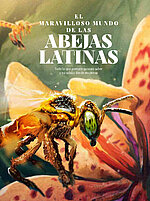
The Wonderful World of Latin American Bees
Spanish (PDF, 10 MB)
English (PDF, 14 MB)
Portuguese (PDF, 18 MB)