
The critical role of wetlands for climate and biodiversity
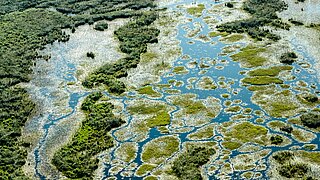
On 2 February, the international community celebrates World Wetlands Day. The year 2026 marks a special anniversary for Germany.
Fifty years ago, Germany ratified the Ramsar Convention, one of the oldest multilateral environmental agreements promoting the conservation and sustainable use of wetlands worldwide. It is becoming increasingly important in the face of the growing climate, water and biodiversity crises. To date, 172 countries have ratified the Ramsar Convention; there are over 2,500 designated Ramsar sites worldwide, covering a total area of over 2.5 million km2. Compared to the area of Germany, the designated area is already 7.2 times larger.
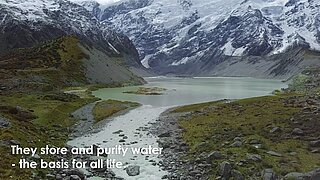
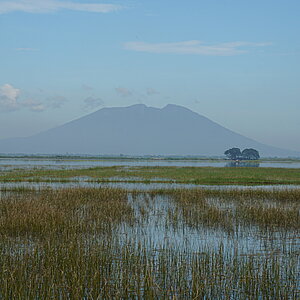
Wetlands such as peatlands, mangroves, floodplains and lakes are among the most efficient ecosystems on earth. They store large amounts of carbon, regulate water levels, mitigate floods and droughts, and play a key role in conserving biodiversity. At the same time, they provide livelihoods, food and water for millions of people. Despite these services, about 22% of the world's wetlands have been lost since the 1970s, with far-reaching consequences for climate resilience, water availability and ecosystems.
International framework for effective wetland conservation

Under the Ramsar Convention, almost all countries in the world have committed themselves to conserving and promoting the sustainable use of wetlands of international importance. In their decisions, Parties increasingly emphasise the importance of wetlands in achieving global environmental goals and their central role in the implementation of the Paris Agreement, the Global Biodiversity Framework and the 2030 Agenda. Wetlands are recognised as cost-effective nature-based solutions that can contribute to both greenhouse gas mitigation and adaptation to climate change. Their key role in water security, water quality and disaster risk reduction is also highlighted.
A recurring theme in the consultations of the Parties is also the need to further integrate the protection, restoration and sustainable use of wetlands into national strategies. At the same time, it is emphasised that many wetlands link ecological processes across administrative and national boundaries, and that regional and transboundary approaches are therefore essential for effective implementation.
Germany's contribution to global wetland conservation
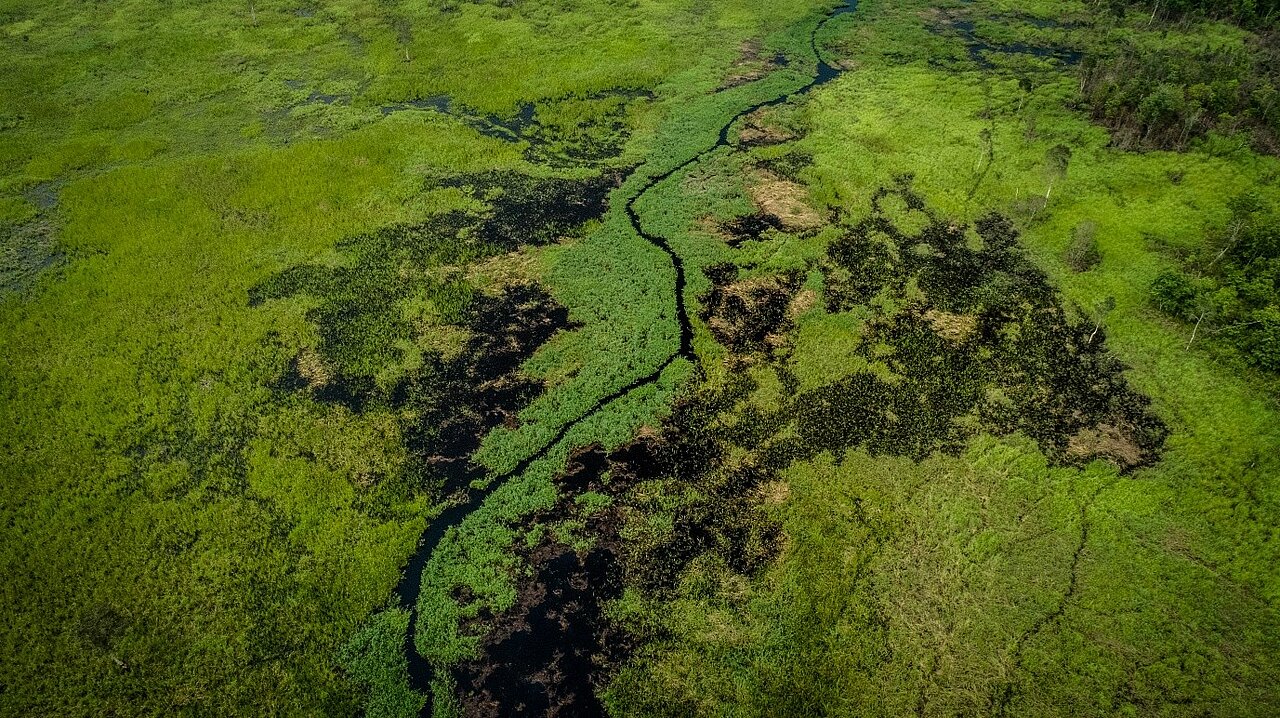
Germany is internationally committed to the conservation, restoration, networking and sustainable management of wetlands. A central pillar of this commitment is the International Climate Initiative (IKI). The Federal Ministry for the Environment, Climate Change, Nature Conservation and Nuclear Safety is currently funding 36 wetland-related projects under the IKI with a total of more than €390 million. The projects make an important contribution to climate action, adaptation to climate change and the conservation of biodiversity, particularly through nature-based solutions.
The IKI projects address wetland conservation with different emphases and methodological approaches. A particular focus is on ecosystem-based adaptation measures in water catchments worldwide. The projects cover a wide range of habitats – from wet meadows, peatlands and swamps, floodplains and lakes to coastal ecosystems such as salt marshes, mangroves and seagrass beds.
Project example: Protecting resting areas for migratory birds
The IKI project “Climate Resilience for Critical Sites for Migratory Birds and People along the East Atlantic Flyway“ aims to protect coastal and wetland areas in eleven countries along the west coast of the African continent. These areas are part of the East Atlantic Migratory Bird Route, which links breeding areas in the Arctic with resting and wintering areas on the coasts of Europe and Africa. The project focuses on cross-border, coordinated planning and management of coastal and wetland areas along the route.
New impetus from the IKI 2024 call for proposals
The IKI 2024 call for proposals for the protection and restoration of wetlands in Africa selected three project ideas for a total of 24.1 million euros. In addition, another project idea to strengthen communities for the protection of coasts and oceans in Latin America was selected for funding of 8.4 million euros.
The Ramsar Convention shows how international cooperation can contribute to the protection of important ecosystems. Through its projects, IKI supports its partner countries in translating the Convention's goals into concrete action - for climate, biodiversity and sustainable development.
The link has been copied to the clipboard
Contact
IKI Office
Zukunft – Umwelt – Gesellschaft (ZUG) gGmbH
Stresemannstraße 69-71
10963 Berlin
More information
More impressions from IKI projects
Article “Wise Use, Shared Future: Strengthening Caribbean Wetlands for Climate Resilience”