Rodgers and the elephants of Mount Elgon
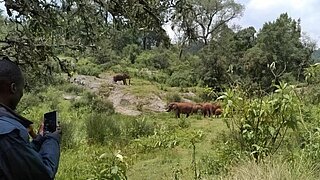
Germany's International Climate Initiative (IKI) supported the indigenous Ogiek people of Mount Elgon to turn community members into monitors – using their own knowledge and digital tools to protect the elephants, forests and wildlife of their ancestral land.
Rodgers Ptalus Ndiema was on his way to install a camera trap when he noticed something unusual on the forest road. The road had been heavily scratched, and the signs looked like those left by an elephant. Rodgers stopped. He knew something was wrong.
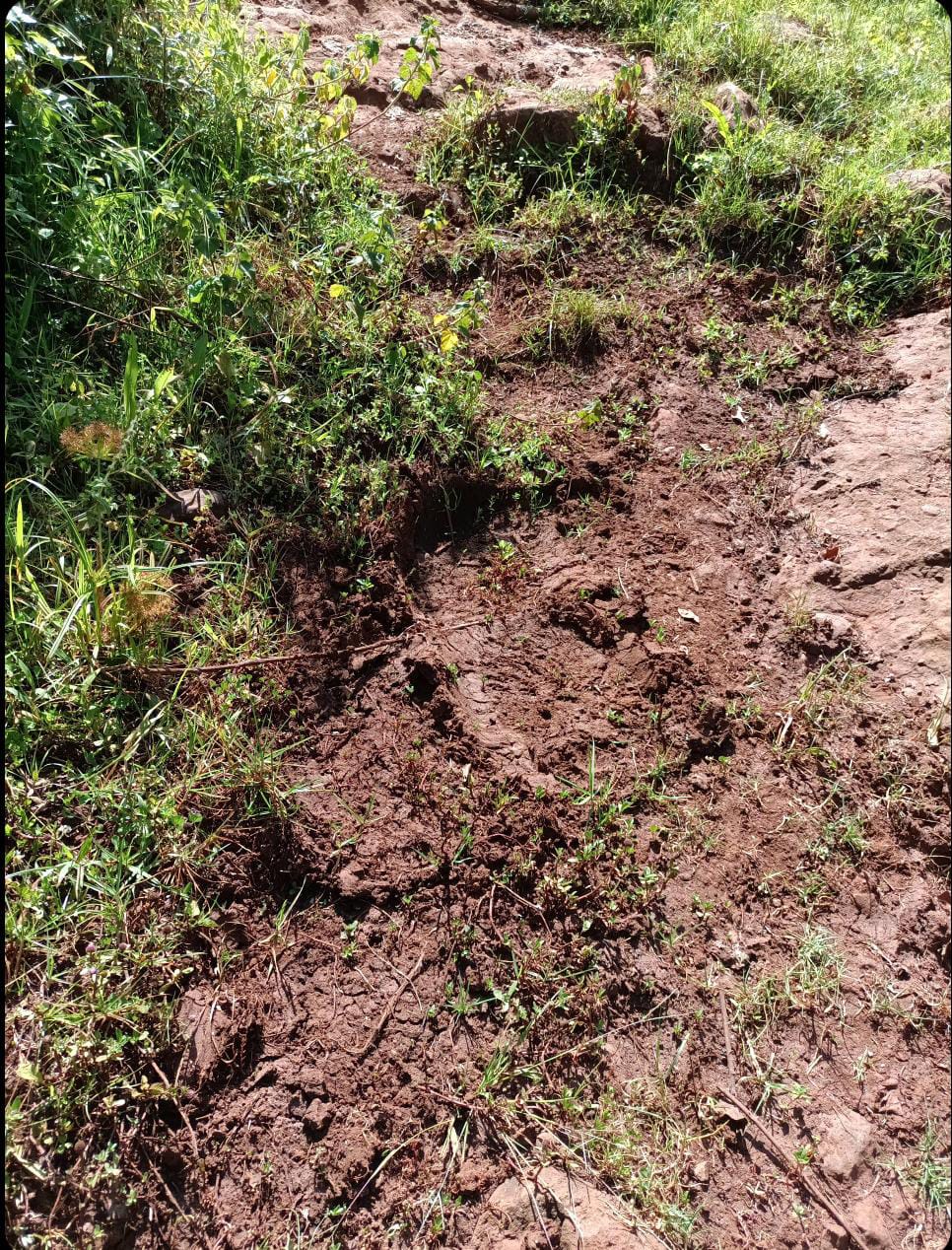
As an Ogiek biodiversity monitor on Mount Elgon in Kenya, he is used to paying attention to signs in the forest. Together with two other community members who also understand elephants well, he began looking for the animal. They found it in the bamboo. It was injured.
For Rodgers, helping elephants is personal. He has lived alongside elephants for 26 years.
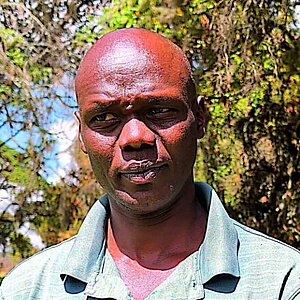
Elephants help us detect danger and insecurities caused by cattle rustlers from outside the community through their sounds. They are our security and our kin.
When local knowledge meets wildlife protection
In the past, however, the Ogiek of Mount Elgon were often unable to care for their animal kin. The community has faced evictions from their historical land, which they have conserved and protected since time immemorial. One reason for this was challenges with the state nature conservation authorities, the Kenya Wildlife Service (KWS) and Kenya Forest Service. But times have changed.
Not only have relations with the KWS improved, but the Ogiek are now once again living in their traditional territory. Germany has played a key role in this through its International Climate Initiative (IKI) and the ‘Transformative Pathways’ project, supporting the Ogiek to continue demonstrating their stewardship in conserving and protecting their land.
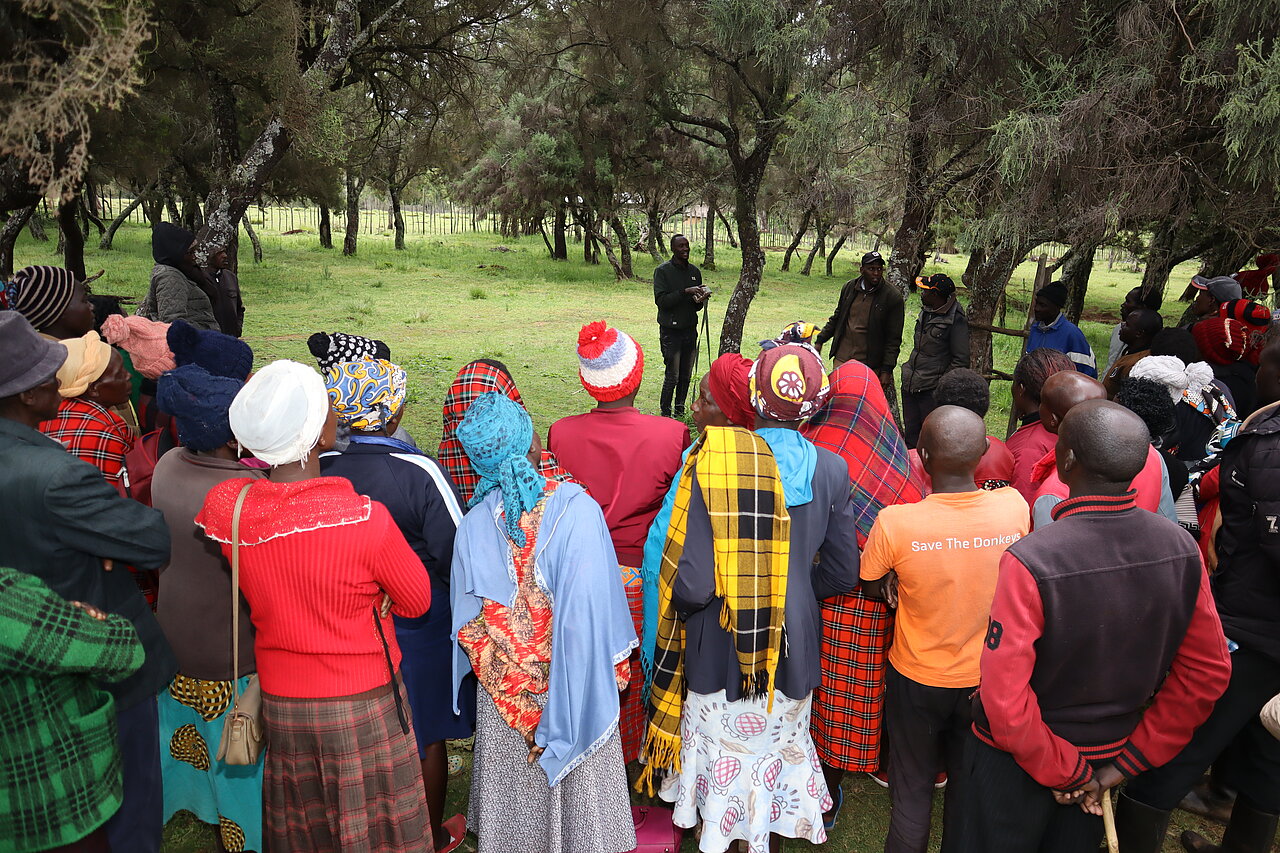
Mount Elgon is home to species found nowhere else on Earth; safeguarding them contributes to the global goal of halting biodiversity loss – a commitment Germany has made under the Kunming-Montreal Global Biodiversity Framework.
With this project, Germany is supporting efforts to halt the global loss of biodiversity.
The project, which is managed by the Forest Peoples Programme, supports local actions by Indigenous Peoples and local communities (IPLC) in five countries related to land and resource governance, community conservation and stewardship, and sustainable livelihoods. In Kenya, it is implemented by the Chepkitale Indigenous Peoples Development Project (CIPDP) and the Indigenous Information Network (IIN) as local partners.
A community-based monitoring system with digital tools
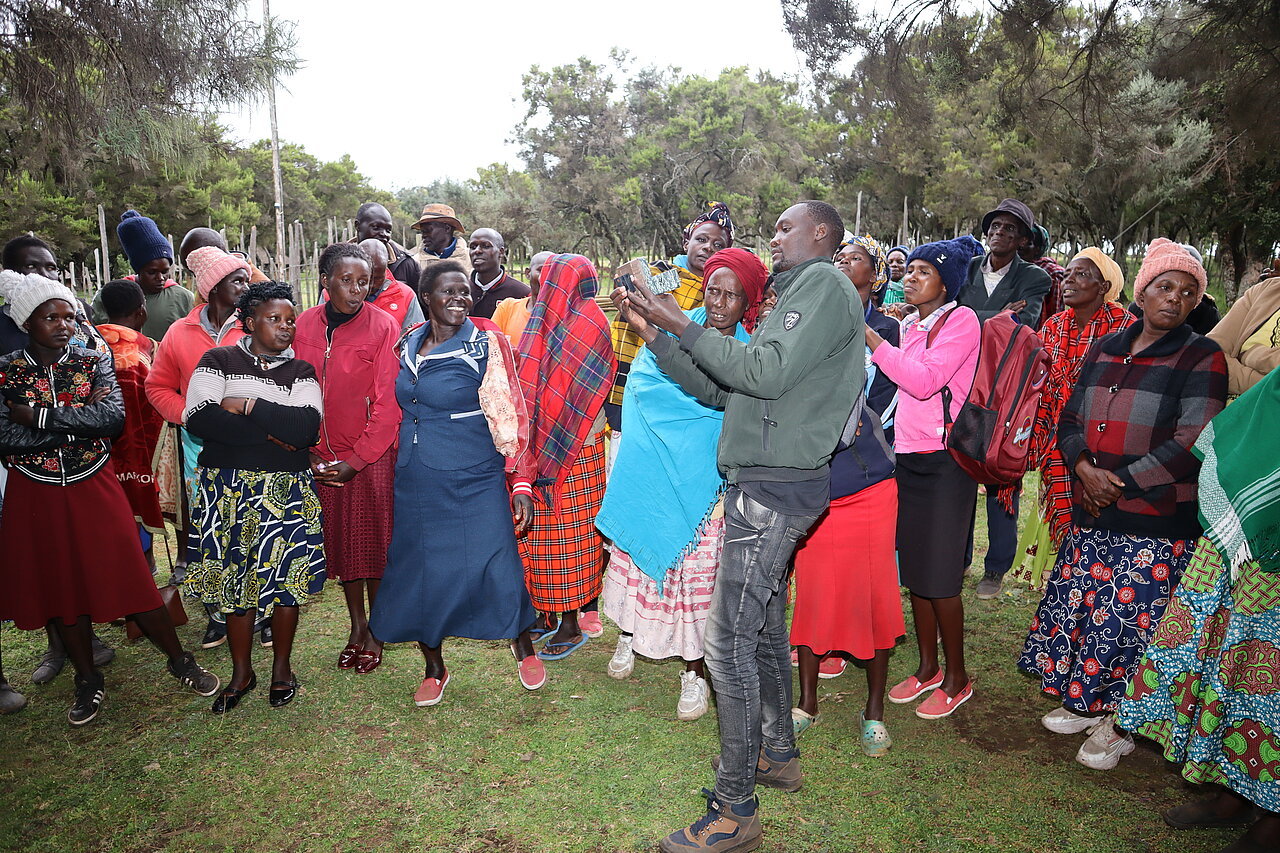
The Ogiek have long lived with elephants and other wildlife on Mount Elgon. They know their movements, sounds and the routes they use through thick vegetation. As part of the Transformative Pathways Project, together with technical support from the Interdisciplinary Centre for Conservation Science at the University of Oxford, Rodgers and other Ogiek community members have developed a biodiversity monitoring system that brings together indigenous knowledge, scientific approaches and digital tools.
Supported by the IKI, the training of biodiversity monitors contributed to the Ogiek people being able to return to their ancestral land.
It began with a decision by the community itself: in a free, prior and informed consent (FPIC) process, the Ogiek chose which species mattered most and how they wanted to track them. CIPDP staff were then trained as trainers and ran seven training sessions, turning 43 community members into monitors.
of the indigenous Ogiek people were trained in biodiversity monitoring with support of the IKI.
They learned line transects for animal signs and illegal activity, quadrats for bamboo health, and camera traps for wildlife in motion. Each monitor carries a phone with the CoMapeo app, customised for the Ogiek's species and routes. Before any data is shared outside the community, elders validate it – the Ogiek's way of keeping control over their own knowledge.
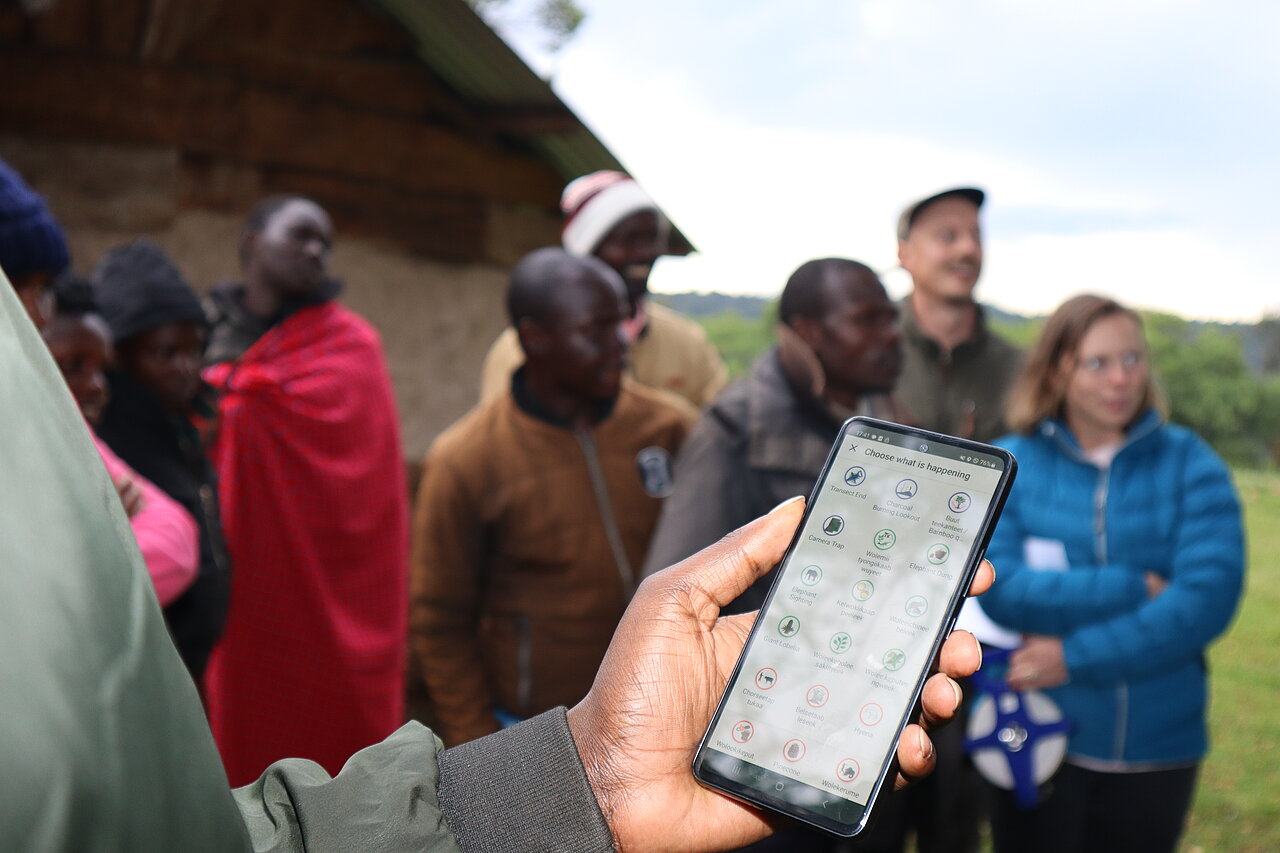
It gives me so much happiness to have advanced skills to document what I know using digital tools such as CoMapeo.
Monitoring deep in the forest
The community monitoring is helping to close a gap. The Ogiek Biodiversity Monitors are active deep in the forest, where wildlife authorities may not know what happens there. The Ogiek observe wildlife during their regular activities, document what they see and share information when action is needed. The wounded elephant showed why this matters.
The Ogiek observe wildlife during their regular activities, document what they see and share information when action is needed.
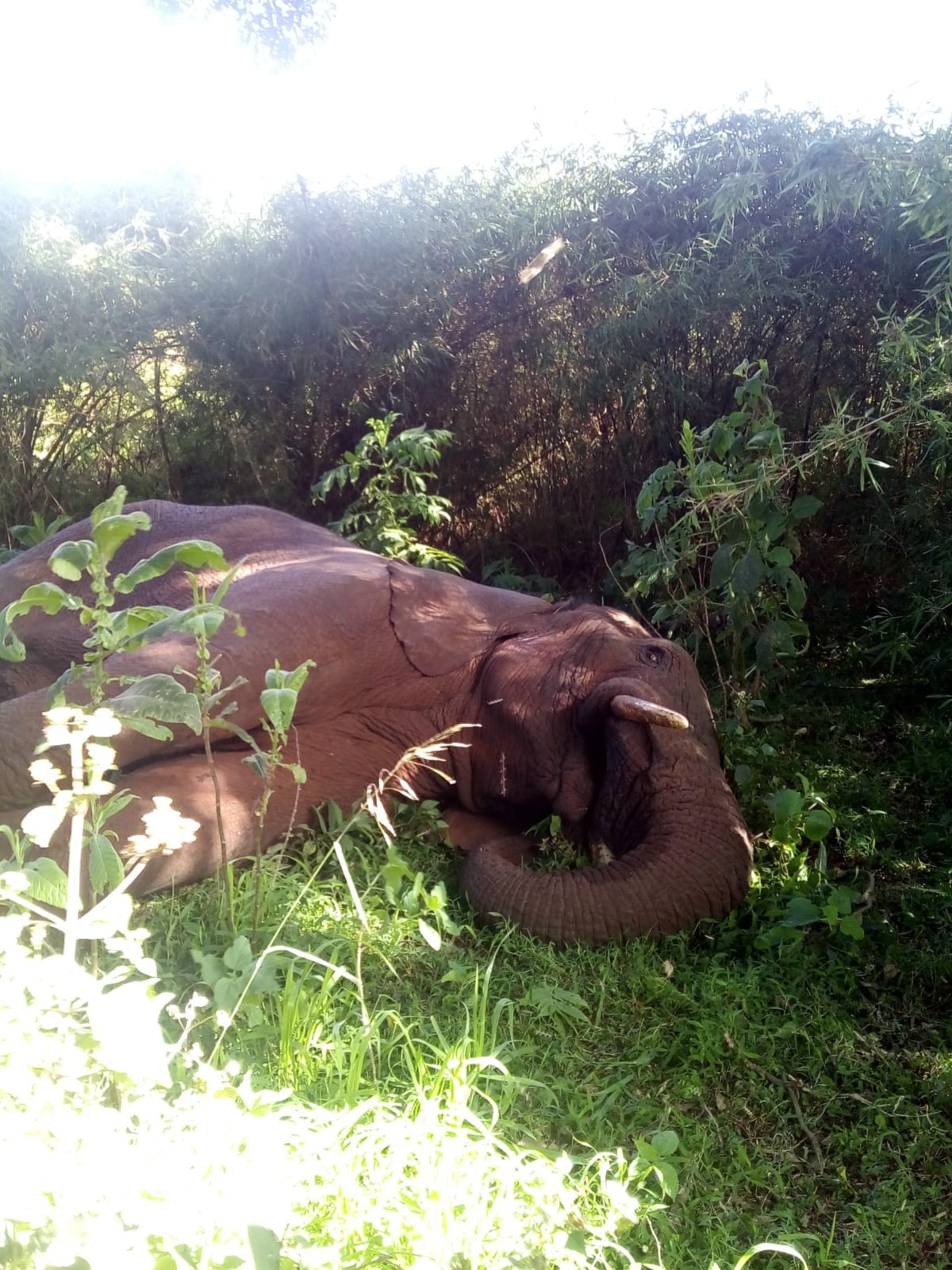
When Rodgers and his neighbours first reported the animal to the KWS, an officer arrived two days later and examined the elephant in the bamboo. The community kept a close eye on the animal from then on. However, after about ten days, they noticed a strong smell in the air. Upon checking on the elephant, they discovered its wounds were weeping with pus.
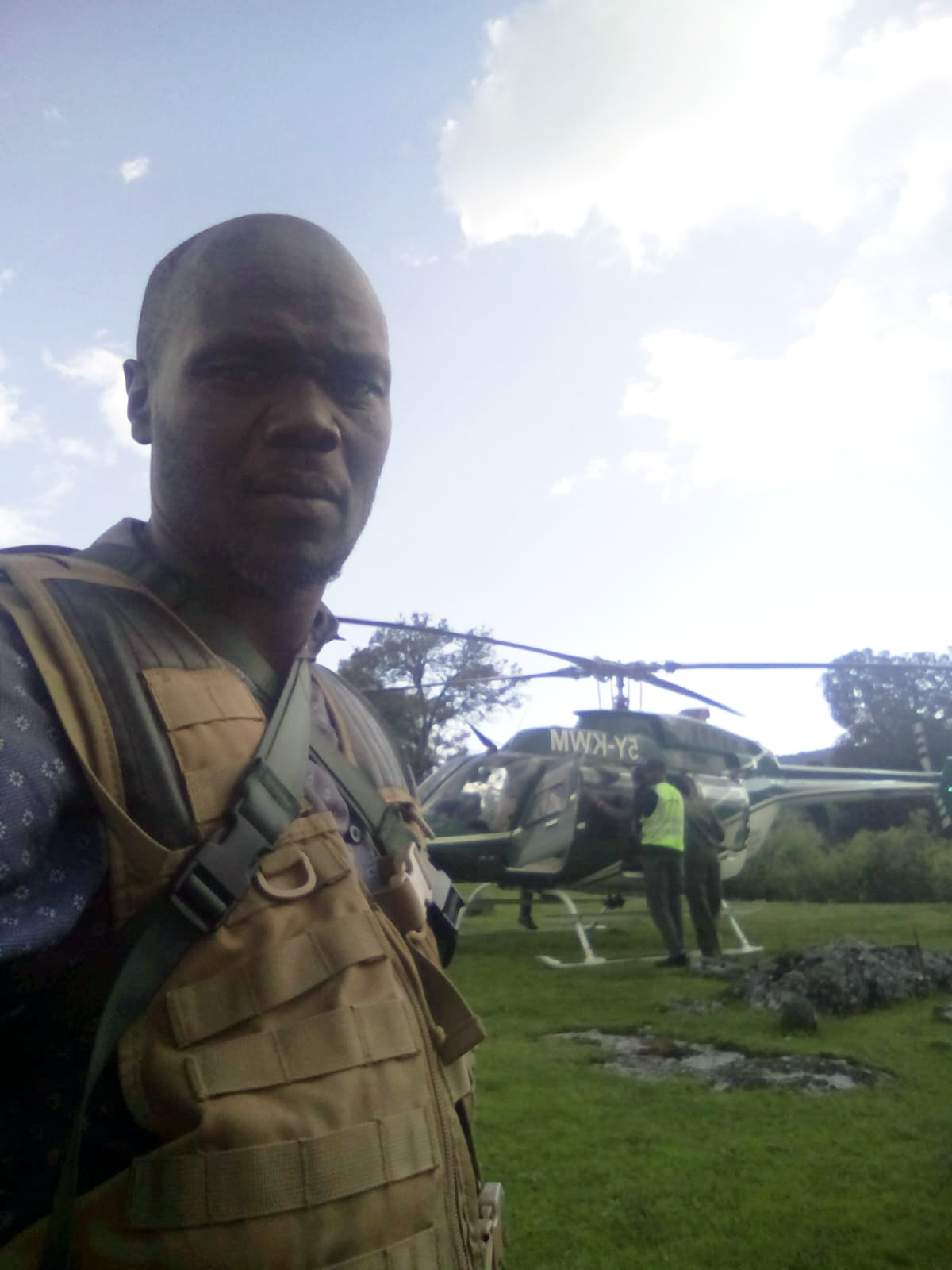
Rodgers immediately logged the location using the CoMapeo app and sent the data to the KWS. To stress the urgency, he also visited the office in person. This time, the response was swift: a helicopter was dispatched, and the elephant was darted and treated. The team also fitted it with a tracking collar, which continues to help monitor its movements today.
From one elephant to a new relationship
For Rodgers, it was not just about one injured elephant receiving treatment. The experience showed what can happen when community knowledge and wildlife authorities are connected.
We see a lot of wild animals that can die in the forest without knowledge of the KWS.
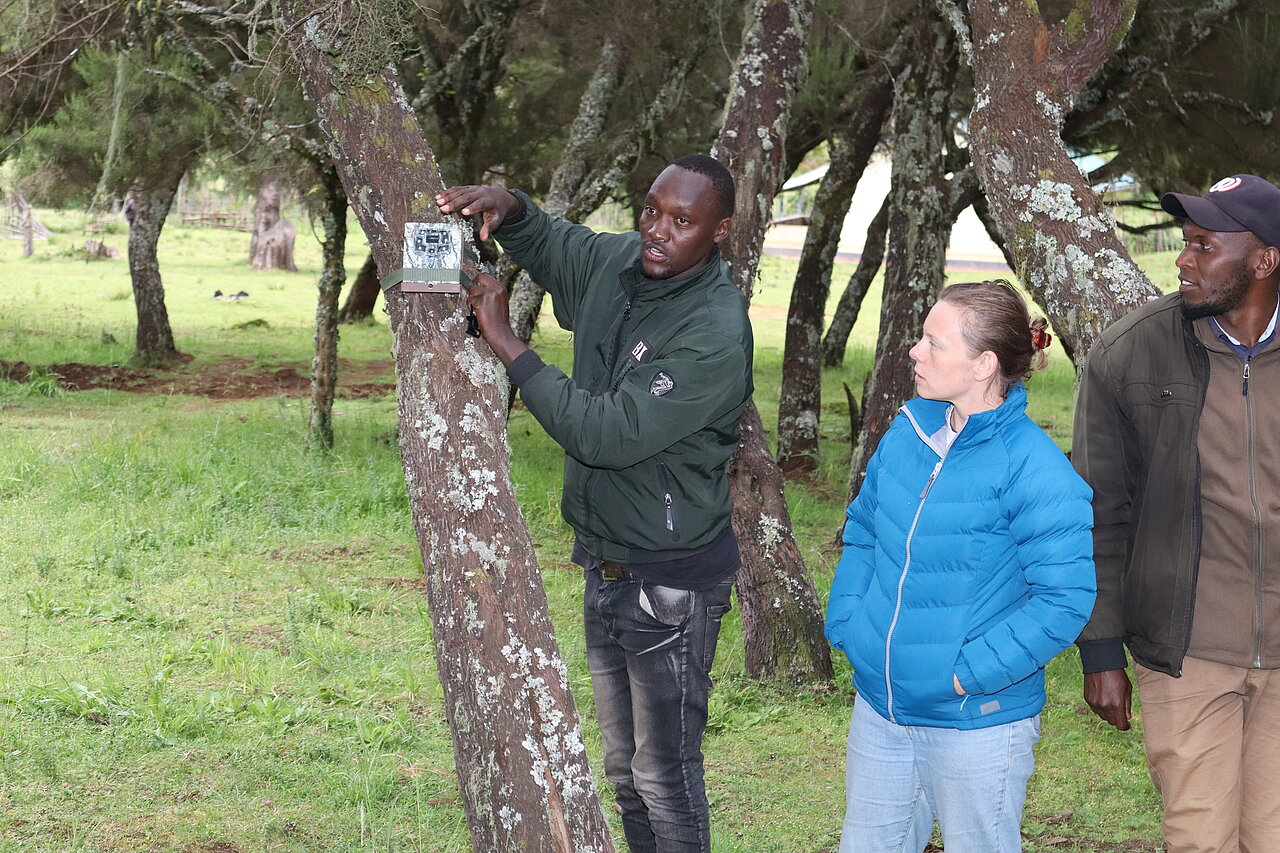
For Rodgers, such incidents show why faster communication and stronger cooperation are needed. The monitoring established with the support of Germany’s IKI has also enabled community members to report other threats, including signs of poaching and charcoal burning.
In March 2026, representatives of the Ogiek community, the KWS, the Kenya Forest Service and the Wildlife Research and Training Institute met to discuss collaborative conservation on Mount Elgon. For a community whose relationship with conservation authorities has not always been easy, these exchanges are creating opportunities to build trust through practical work.
What comes next?
The monitoring system is still developing. Trust and cooperation need to be strengthened, and communities need to agree how information should be shared while protecting sensitive knowledge and locations.
The monitoring system is still developing.
For Rodgers, the purpose is simple: to notice what others may not see and act when wildlife needs help. For the Ogiek, biodiversity monitoring is becoming another way of caring for the land, the wildlife and the relationship between them.
The link has been copied to the clipboard
Contact
IKI Office
Zukunft – Umwelt – Gesellschaft (ZUG) gGmbH
Stresemannstraße 69-71
10963 Berlin