
Wetlands Management for Biodiversity and Climate Protection
Wetlands play an important role in climate and biodiversity protection. Therefore, the project contributed to improving the management of wetlands in India by promoting the ecosystem-based integrated management of wetlands of international importance (Ramsar sites) through capacity and network building in seven states. Specific project objectives included the development of planning and monitoring tools, capacity building, implementation of green recovery measures (post COVID-19) and strengthening of cooperation networks. The closing of management and capacity gaps and the active participation of different actors at central, state and local levels lead to better protection of the biodiversity and ecosystem services of wetlands, their strengthened climate resilience and improved living conditions of people in the catchment area of the selected sites.
- Countries
- India
- IKI funding
- 5,850,000.00 €
- Duration
- 09/2018 till 12/2025
- Status
- completed
- Implementing organisation
- Deutsche Gesellschaft für Internationale Zusammenarbeit (GIZ) GmbH
- Political Partner
-
- Ministry of Environment, Forest and Climate Change (MoEFCC) - India
- Implementing Partner
-
- Ministry of Environment, Forest and Climate Change (MoEFCC) - India
- Action for Protection of Wild Animals (APOWA)
- Development of Humane Action (DHAN) Foundation
- Wetlands International South Asia (WISA)
State of implementation/results
- Project completed.
- World Wetlands Day (2 February 2025) was supported by the organisation of two events, one to engage the private sector and the other, the Wetlands for LiFE Film Festival.
- Based on consultations and the results of hydro-ecological and socio-economic analyses, climate risk and vulnerability analyses, integrated management plans were developed for three Ramsar sites (total area 54,182 hectares).
- As part of the Corona Response Package, the project supported site-specific and demand-driven green recovery activities, especially at the project sites Bhitarkanika and Point Calimere. This included nature conservation and restoration activities (mangrove restoration, pond restoration) and training for community members on securing livelihoods (honey production, handicrafts, sustainable fishing).
- The project supported the development of the official national online portal Wetlands of India (www.indianwetlands.in). The portal is used as a dynamic knowledge platform, including for the ‘Save the Wetlands’ campaign.
- The Wetlands Authority of Tamil Nadu was supported in the designation of new Ramsar sites.
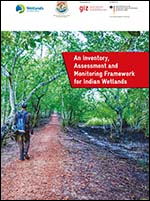
- Wetland management tools and guidelines such as ‘Wetlands Inventory, Assessment and Monitoring Framework for Indian Wetlands’, ‘Managing Climate Risks in Wetlands’ and ‘Management Effectiveness Tracking Tool (METT) for Indian Wetlands’ were published and presented at international events such as the CMS COP and the Ramsar COP.
- A Management Effectiveness Tracking Tool (METT) was adapted for Indian wetlands and piloted at four project sites.
- In collaboration with (government) training institutes and partner organisations, 571 participants (forest officials, area managers and community members) have been trained in wetland management. An interactive e-learning course on ‘Wetland Conservation and Management in India’ is available on the online portal ‘Wetlands of India’.
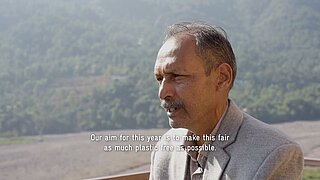
- The project supported the sustainable orientation of the annual Renuka Ji International Fair 2023. The experiences gained will be developed into guidelines for sustainable event management in wetlands.
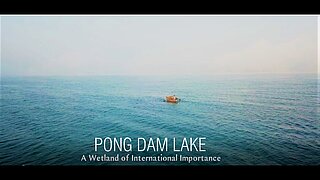
- Project publications on site assessments, manuals and information sheets, e.g. ‘Cultural Significance of Indian Wetlands’ and short films, such as the documentation of the bird census in Pong, are used by state authorities to impart knowledge and raise awareness.
Latest Update:
04/2026
Further links
- Report: Ecosystem Services – Livelihood Linkages of Point Calimere Wildlife and Bird Sanctuary, Tamil Nadu
- Website: Wetlands of India Portal
- Report: Hydro-Ecology of Bhitarkanika Mangroves, Odisha
- Report: Fisheries Resource of Pong Dam Lake, Himachal Pradesh
- Report: Hydrological and Climate Risk Modelling for Pong Dam Lake, Himachal Pradesh
- Publication: Cultural Significance of Indian Wetlands (EN)
- Guideline: Managing Climate Risks in Wetlands
- Factsheet: Bhitarkanika Mangroves
- Factsheet: Point Calimere Wildlife and Bird Sanctuary
- Factsheet: Wetlands Management for Biodiversity and Climate Protection
- Factsheet: Renuka Lake
- Factsheet: Pong Dam Lake
- Publication: Ramsar Sites of India Factbook
- Report: Climate Risk Assessment of Bhitarkanika Mangroves, Odisha
- Report: Climate Risk Assessment of Point Calimere Wildlife and Bird Sanctuary, Tamil Nadu
- Report: Climate Risk Assessment of Renuka Wetland, Himachal Pradesh
- Report: Hydrogeology of Renuka Wetland, Himachal Pradesh
- Report: Ecosystem Services – Livelihood Linkages of Renuka Wetland, Himachal Pradesh
- Report: Ecosystem Services - Livelihood Linkages of Bhitarkanika Mangroves, Odisha
- Report: Hydro-Ecology of Point Calimere Wildlife and Bird Sanctuary, Tamil Nadu
- Report: Climate Risk Assessment of Pong Dam Lake, Himachal Pradesh
- E-Learning Course on Wetland Management and Conservation in India
- Children's book: The Mysterious Mangroves of Bhitarkanika
- Guidelines: An Inventory Assessment and Monitoring Framework for Indian Wetlands
- Guidelines: Management Effectiveness Tracking Tool – Practitioner’s Guide
Project relations
Legend:
The link has been copied to the clipboard
Related Videos








Related Publications
-
 08/ 2024 | Educational material
The Mysterious Mangroves of Bhitarkanika – A Children Book
English (PDF, 16 MB)
-
02/ 2024 | Tool/Open source product
Management Effectiveness Tracking Tool (METT) for Indian Wetlands- Practitioner’s Guide
English (PDF, 33 MB)
-
12/ 2020 | Tool/Open source product
An Inventory Assessment and Monitoring Framework for Indian Wetlands
English (external link)