

Synergies between climate and biodiversity action
Climate and biodiversity action complement each other in many areas. Leveraging these synergies was a key focus of the work of the International Climate Initiative (IKI) in 2025.
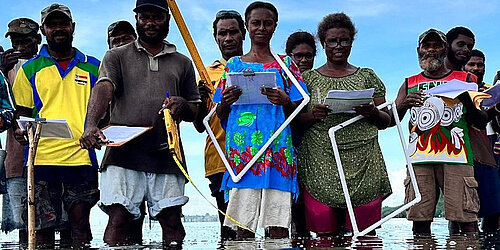
Climate change and biodiversity loss reinforce each other – by mainstreaming biodiversity conservation more effectively into climate projects, the International Climate Initiative (IKI) is specifically focusing on synergies between ecosystem-based adaptation approaches, greenhouse gas mitigation and the conservation of biological diversity.
Climate change and the loss of biodiversity have a mutually potentiating effect, global warming threatens habitats and species, and biodiversity loss causes ecosystems to lose their resilience. At the same time, intact natural carbon sinks such as forests, peatlands, coastal ecosystems and oceans are essential allies in climate change mitigation. They absorb vast amounts of CO₂ every year and make a decisive contribution to stabilising the climate. Ecosystems such as mangrove forests play a substantial role in adapting to the impacts of climate change by providing protection against storms.
Mainstreaming biodiversity conservation in climate projects
By means of the intensified mainstreaming of biodiversity conservation in climate projects, the International Climate Initiative (IKI) is specifically targeting synergies between ecosystem-based adaptation approaches, greenhouse gas mitigation and biodiversity conservation.
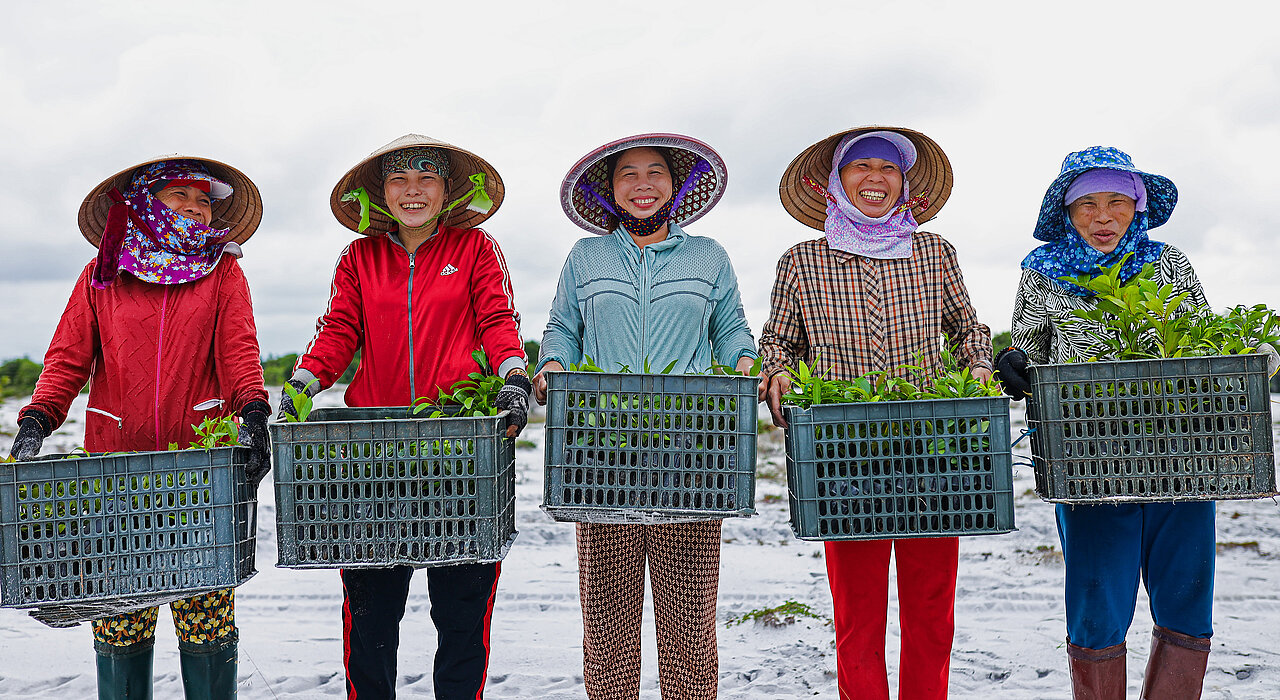
For many years, the IKI has thus been funding projects that combine climate change mitigation and biodiversity conservation in their activities. This includes, for example, restoring ecosystems that act as carbon sinks while at the same time serving as habitats for endangered species. Nature-based solutions (NbS) that also include measures for the ecosystem-based adaptation to climate change (EbA) are of key importance.
In 2025, the IKI’s work in this area focused on marine, coastal and wetland ecosystems. While oceans and wetlands are essential as carbon sinks, intact coastal areas, for instance, help to protect against extreme weather events. Two important events were staged: the UN Ocean Conference in Nice, France and the Conference of the Parties to the Ramsar Convention in Zimbabwe. At the UN Ocean Conference in Nice, the IKI presented projects with diverse commitments – for the protection of marine and coastal ecosystems, for regional cooperation and for equitable, inclusive marine conservation worldwide.
In the area of marine conservation, one project entered into its preparation phase in 2025. This project supports partner countries in the joint development of protection suggestions for particularly valuable marine areas in the Atlantic, Indian and Pacific Oceans, and in submitting them to the Contractual Secretariat of the UN Agreement on Marine Biological Diversity of Areas beyond National Jurisdiction.
funding
has committed the IKI in 2025 to projects that work on protecting habitats.
Oceans are the largest carbon sink on our planet. Intact High Seas ecosystems regulate the global climate and are threatened due to overfishing and pollution. Protected areas are necessary to strengthen their resilience. Therefore, the project contributes to the Global Biodiversity Framework (GBF) objective of placing 30 percent of the oceans under protection by 2030.
As part of the 2024 thematic call, an organisation that had already submitted a project outline was invited to develop a detailed suggestion. The planned project is intended to train indigenous peoples and local communities in Mexico and Peru as Coastal Guardians and teach them how to protect coastal and marine ecosystems.
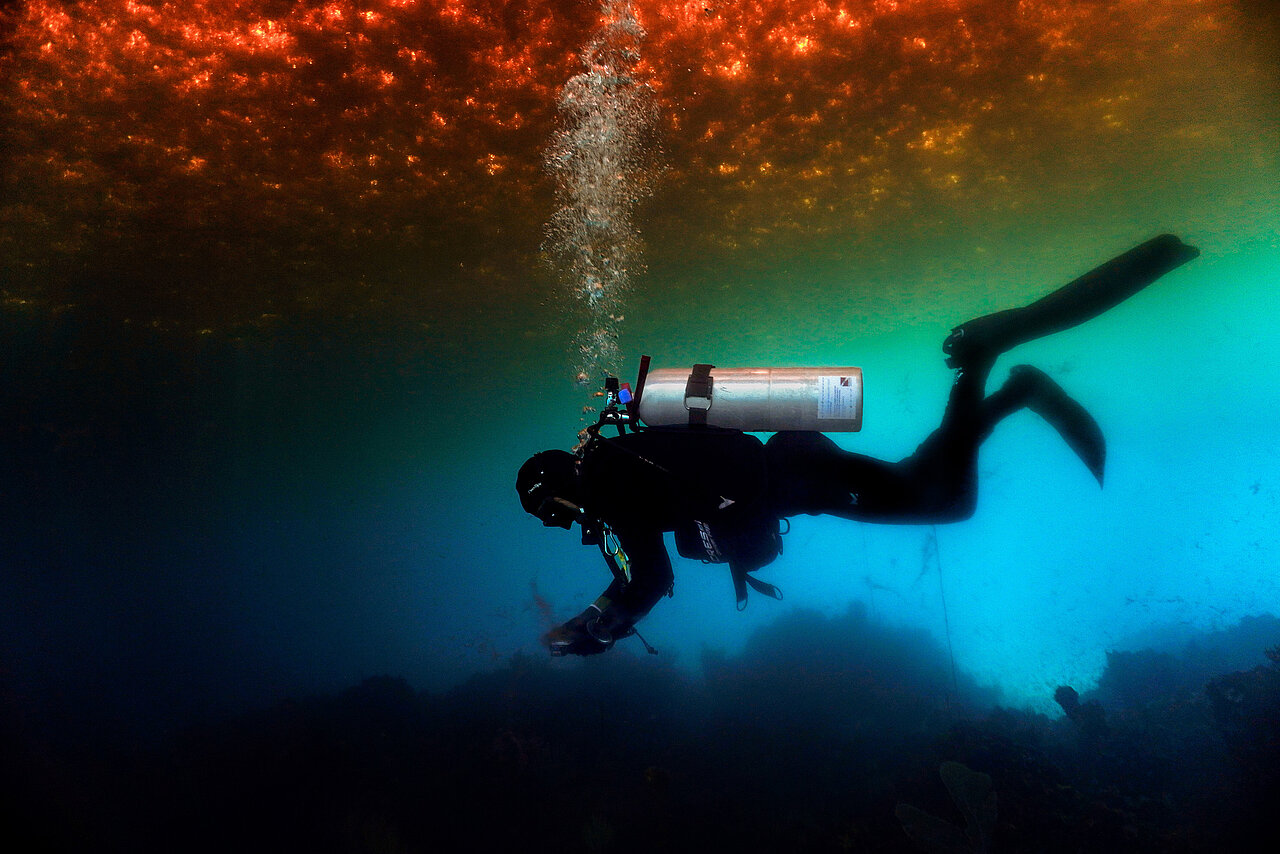
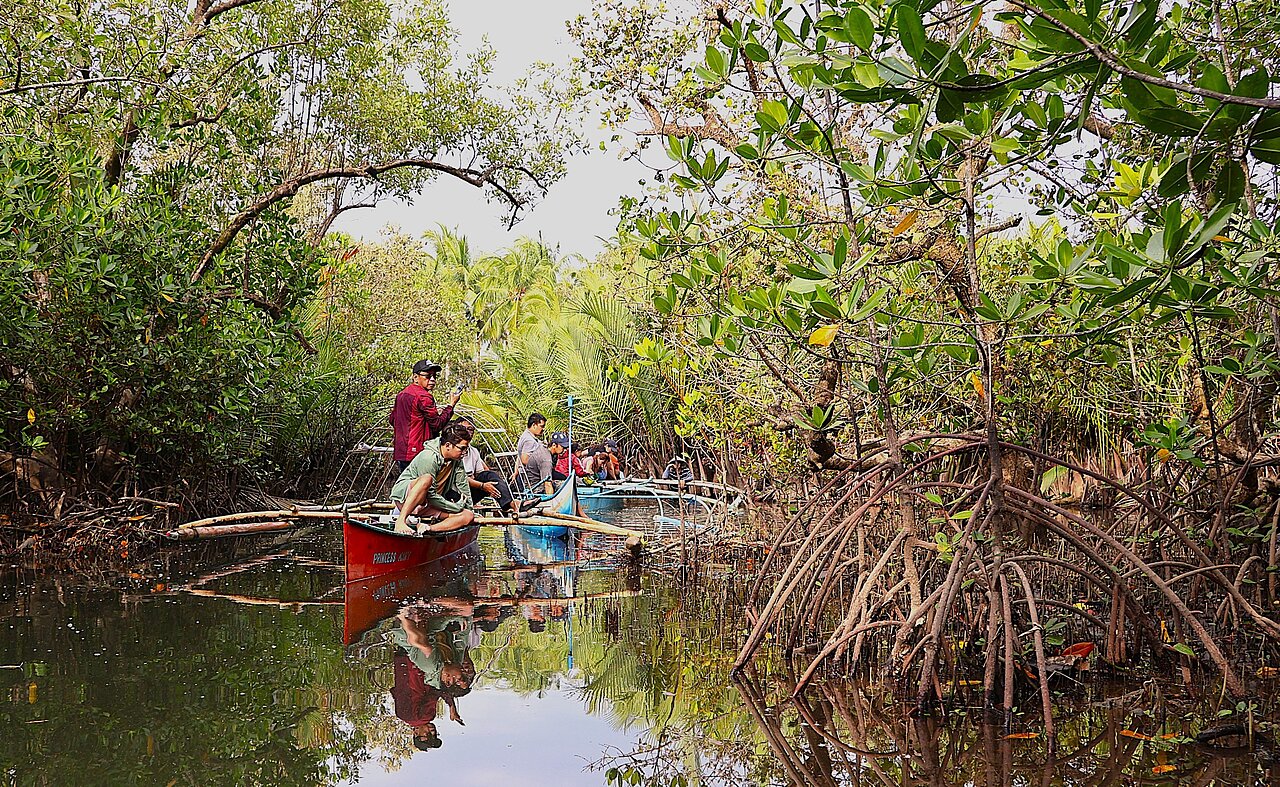
Wetlands such as peatlands, coastal areas with mangroves and lakes are some of the most effective ecosystems on earth. They store large quantities of carbon, regulate the water balance, mitigate the impacts of floods and droughts, and play a central role in the conservation of biodiversity, climate action and the adaptation to the impacts of climate change.
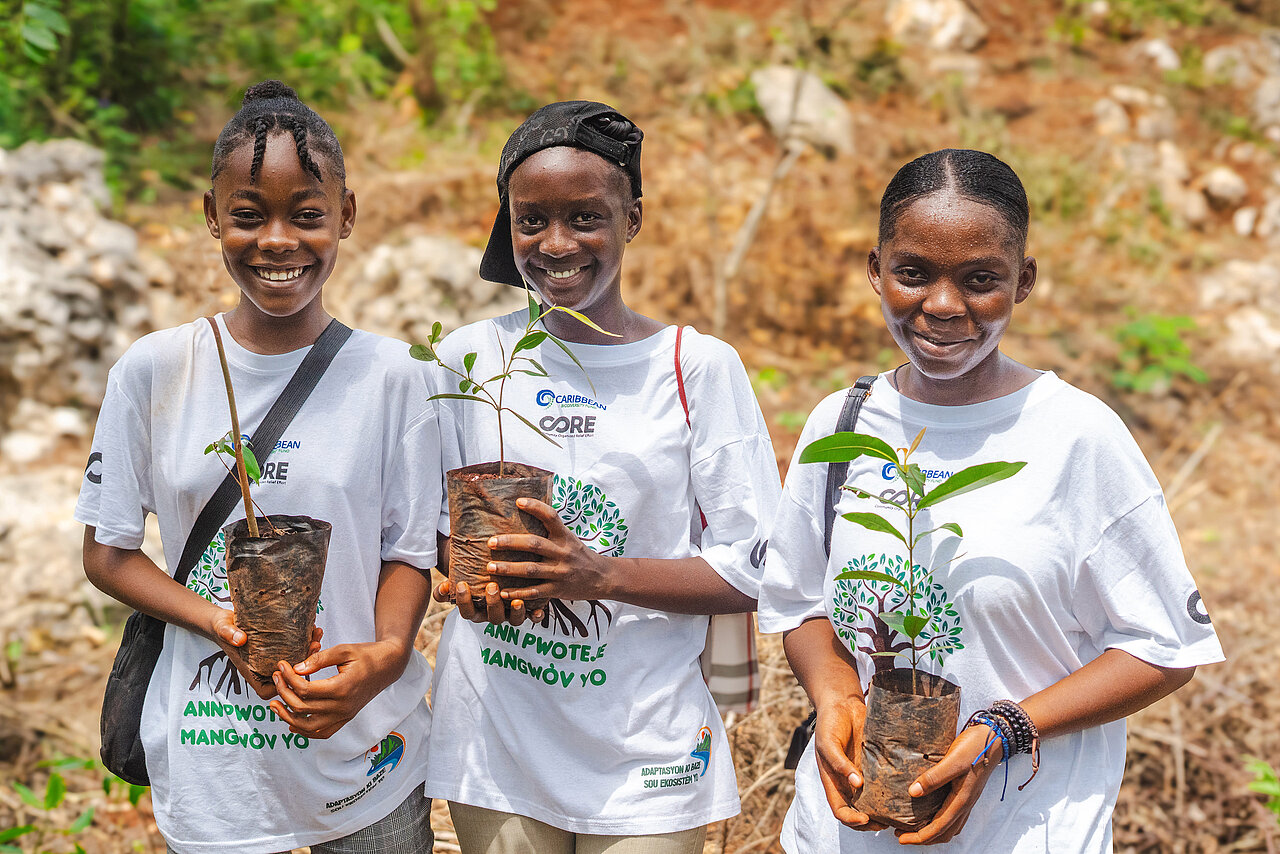
In 2025, two projects that had been selected in the 2023 thematic call entered into their preparation phases. One project supports indigenous and Afro-Colombian women and young people in Colombia and Peru in developing measures to implement climate action and biodiversity conservation and adapt climate change. The second project supports the development of protective measures and the establishment of a network of conservation areas for Lake Tanganyika. The focus is on EbA measures and sustainable uses that make the ecosystem more resilient.
Four organisations that had submitted project outlines for the 2024 thematic call were invited to submit a detailed project proposal in the wetlands thematic area. Three planned projects are pursuing the aim of protecting various wetlands in Africa and strengthening their resilience. Furthermore, one planned project aims to promote the protection of water catchment areas from the Andes to the Amazonian rainforest. Land and water use planning aims to preserve the ecological health of the areas, strengthen their climate resilience and promote the local bioeconomy. These projects are planned to start in 2026.
funding
was committed by the IKI in 2025 to projects that work on mainstreaming biodiversity.
National efforts in the form of National Biodiversity Strategies and Action Plans (NBSAPs) are of paramount importance in order to achieve the ambitious goals of the GBF for the conservation of biodiversity.
The IKI supports Peru, Brazil and Colombia in translating NBSAPs into subnational agendas and implementing them in selected action locations. The preparation phase of the corresponding project began in 2025.
Synergies between climate action and biodiversity conservation will continue to play a central role in the future. With the IKI Compete funding instrument, the IKI searched for innovative project ideas in a total of six biodiversity-related priority topics as part of the IKI Large Grants Call 2025. Among other things, funding will be provided to strengthen NBSAPs with the involvement of all social groups, in particular indigenous peoples and local communities (IPLCs). With its focus on South Africa, the IKI is also looking for climate-intelligent approaches to protect and restore South African grasslands and the corresponding wetlands.
Project overview 2025
Projects started
- Climate Resilience for Critical Sites for Migratory Birds and People along the East Atlantic Flyway
- Tiger Landscapes Investment Facility
- Cooperating to protect the spring "Curichi la madre" and prevent urban areas from flooding
- Empowering young leaders for forest conservation
- Connecting protected areas in a puma bio-corridor to manage impacts of fragmenting, deforesting and degrading
- Rejuvenating coral ecosystems by involving local communities and creating new livelihood opportunities
- Using sustainable agriculture practices to protect pollinating insects and other animals in Selva Maya
- Constructing bird sanctuaries to develop protected wetlands areas in Zakarpattia
- Restoring historically significant ecosystems through eco-tourism with the San people in Southern Africa
- Enhancing biodiversity and restoring bird populations in Driefontein’s wetlands
Preparation phases started
- Transformative biodiversity conservation: Enabling Indigenous and Afro-descendent women-led actions
- Strengthening Capacities, Structures, and Collaboration for Effective Biodiversity Conservation at Subnational Levels
- Lake Tanganyika Biodiversity Conservation Network for Nature, Communities, and Climate Resilience (LaTaBioCoN)
- Living High Seas: Partnerships for ocean biodiversity
Projects additionally funded
- From farm to fork: Mainstreaming biodiversity into food value chains
- Fast-tracking Transformation through Sustainable Public Finance for Biodiversity (FAST)
- Support project for implementation instruments of the Global Biodiversity Framework and the Paris Agreement (BioClime)
- Strengthening coastal biodiversity conservation and management through protection and rehabilitation incentives for coastal carbon sinks in Pacific Island countries
- Conservation of seagrass ecosystems – safeguarding food security and resilience in vulnerable coastal communities
- Marine biodiversity and coastal livelihoods in Sulawesi/Coral Triangle
Conservation of natural carbon sinks
Forests, peatlands and soils are natural carbon sinks that play a central role in climate change mitigation, which is why a separate funding area of the IKI addresses their protection and restoration.
The prevention of deforestation and the restoration of forests and landscapes make a considerable contribution to the preservation of natural carbon sinks. Together with the change in land use, these are key fields of action of the IKI.
Two successful projects in this area have been perpetuated by the extension of the project duration until 2025. While one accelerates the implementation of restoration measures, the other provides technologies for land use and degradation monitoring, for example, so that measures can be monitored more effectively.
The conversion of forest into agricultural land is often linked with agricultural exports, including those to the European Union. Following successful preparation phases, two projects on deforestation-free supply chains, which had been selected in the 2022 thematic call, started their implementation phase in 2025. They cover the most important agricultural raw materials exported by Latin America to the EU.

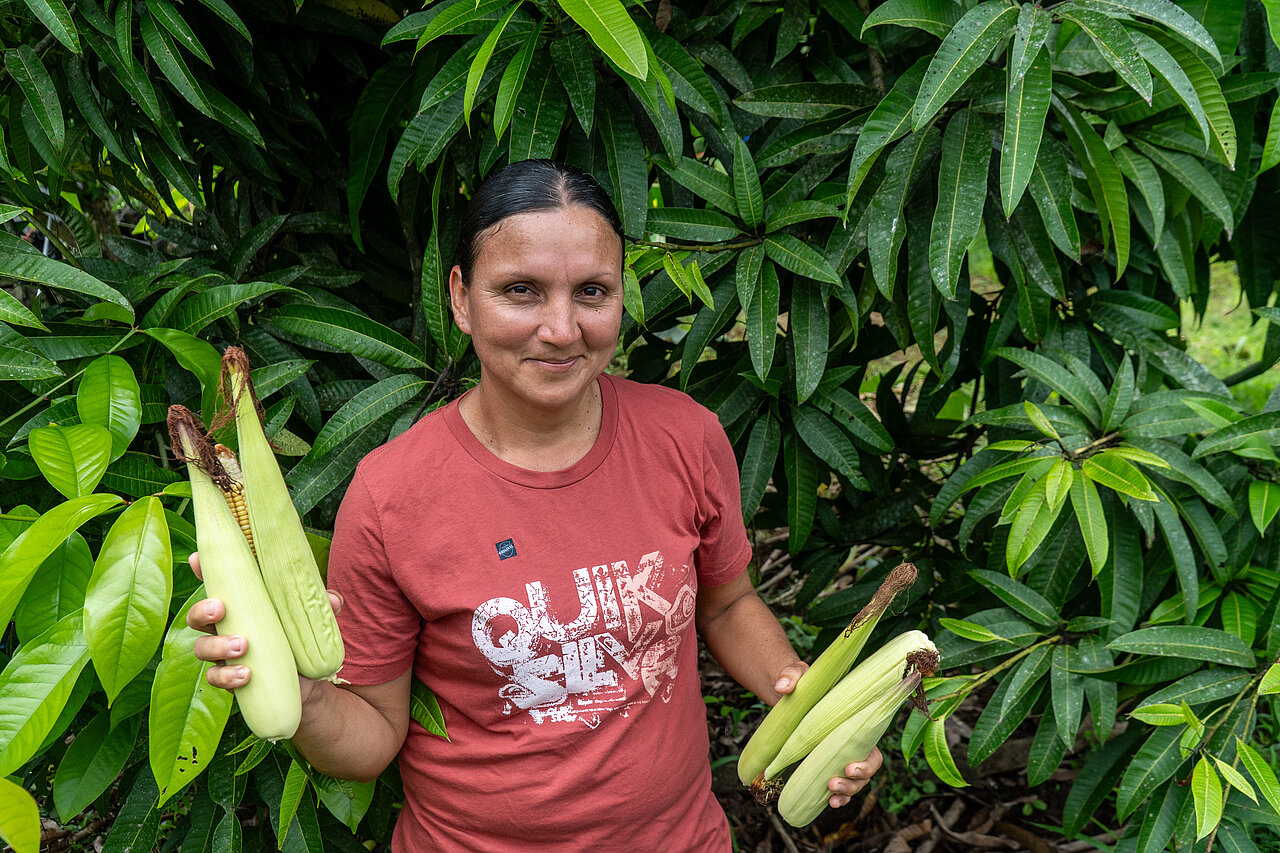
A project from the 2024 Brazil Country Call also entered into its implementation phase in 2025. Through the Networks4conservation project, the IKI is promoting the implementation of the Brazilian plans to prevent and control deforestation in various regions.
As part of the 2024 thematic call, an organisation that had already submitted an outline for a project to finance the sustainable protection of primary forests and the restoration of near-natural forests was invited to develop a detailed proposal.
- EU Regulatory Compliance with Landscape Impact: Achieving climate resilience and nature conservation through EU compliant, sustainable agricultural value chains and landscape measures in South America
- Transforming Agricultural Supply Chains to Deforestation and Conversion-free in Latin America
- Networks4conservation: Combating deforestation through local networks for transformative conservation
- SAMPeat – Global approaches on high-elevation and low-latitude peatlands with focus on South American mountain and Patagonian peatlands for people and nature
The protection of intact peatlands, sustainable peatland management and the restoration of degraded peatlands are also key issues for the preservation of natural carbon sinks.
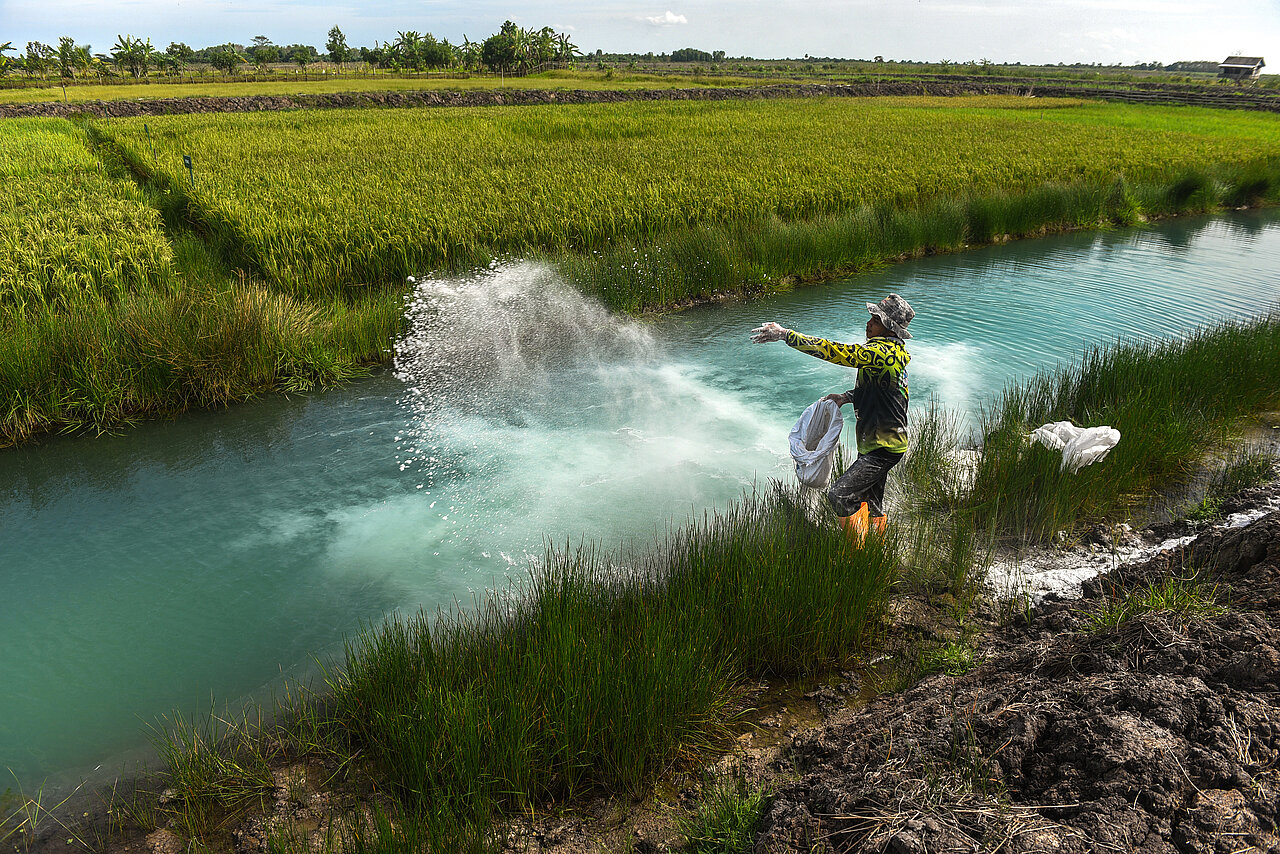
One project selected in the 2023 thematic call started its preparation phase at the end of 2025. It supports partner countries in protecting, restoring and sustainably managing peatlands in the Andes and Patagonia.
funding
was committed by the IKI 2025 for projects working to halt deforestation and land-use change.
For the coming years, the IKI is looking for project ideas for its IKI Compete funding instrument as part of the IKI Large Grants Call 2025 that promote integrated bioeconomy approaches for climate action and biodiversity conservation, and combine market-oriented approaches with the protection of natural carbon sinks.
Project overview 2025
Projects started
- Networks4conservation: Combating deforestation through local networks for transformative conservation
- SAMPeat – Global approaches on high-elevation and low-latitude peatlands with focus on South American mountain and Patagonian peatlands for people and nature
- Smallholder Agricultural Commodity Supply Chains
- Enabling local communities to stop forest destruction and restore nature reserves
- Working to end poverty and aid dependency through agroforestry
Preparation phases started
- Transformative biodiversity conservation: Enabling Indigenous and Afro-descendent women-led actions
- Strengthening Capacities, Structures, and Collaboration for Effective Biodiversity Conservation at Subnational Levels
- Lake Tanganyika Biodiversity Conservation Network for Nature, Communities, and Climate Resilience (LaTaBioCoN)
IKI Annual Report 2025
This article is part of the IKI Annual Report 2025.
The link has been copied to the clipboard